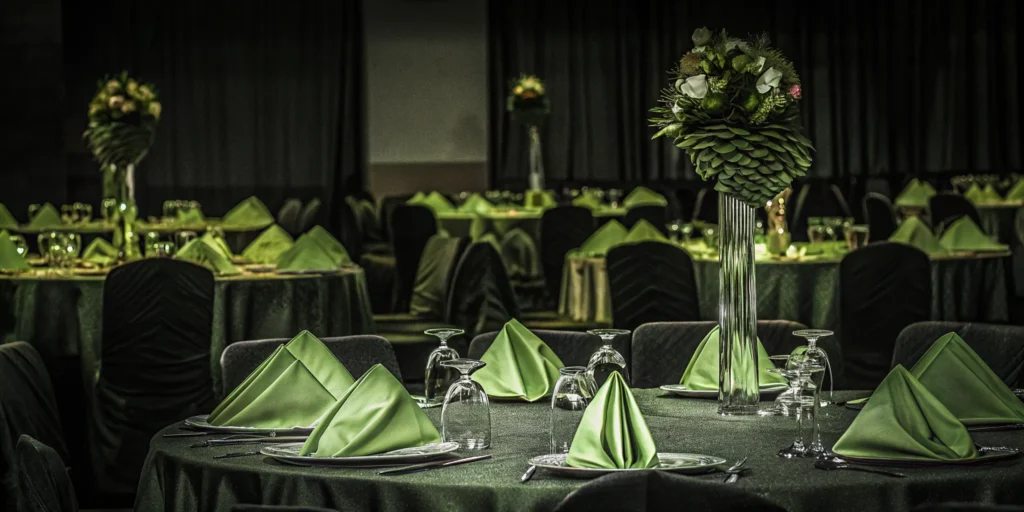

Think about the last truly great event you attended. What made it memorable? It probably wasn’t the seating chart or the catering contract. It was the feeling in the room—the energy, the atmosphere, the sensory experience. That feeling is crafted, piece by piece, through strategic event production. This is the art of using technical elements like lighting, sound, and stage design to create a specific mood and guide your guests’ attention. It’s about transforming a blank space into an immersive environment that supports your event’s goals, whether you’re launching a product, celebrating a milestone, or raising money for a vital cause.
Key Takeaways
- Production Creates the Experience: While planning handles logistics like the venue and date, production manages the technical and creative elements—sound, lighting, and staging—that shape what your guests see, hear, and feel. A flawless sensory experience is what makes an event truly memorable.
- Choose a Partner, Not Just a Vendor: The right production team acts as an extension of your own. Prioritize clear communication, review their past work to ensure it aligns with your vision, and trust their technical expertise to solve problems and bring your ideas to life.
- Tailor the Tech to the Tone: The production needs of a corporate conference are vastly different from those of a charity gala. Work with your team to select the right audio-visual, lighting, and staging elements that match your event’s specific goals and create the desired atmosphere.
What is Event Production (And Why Does It Matter)?
Think of event production as the magic that transforms a gathering into an unforgettable experience. It’s the art and science of weaving together creative and technical elements to create a specific mood and feeling for your guests. While planning focuses on logistics, production is all about the sensory experience—what people see, hear, and feel from the moment they arrive. It’s the powerful sound system at a gala, the dramatic lighting at a product launch, and the seamless video transitions during a conference. Without strong production, even the best-planned event can fall flat. It’s the key to creating those breathtaking moments that people will talk about long after they’ve gone home.
The Technical Side of a Memorable Event
At its core, event production is about managing all the technical components that make an event run smoothly. An event producer is the master conductor of the live show, overseeing everything from audiovisuals and vendor coordination to crew management and equipment. They are laser-focused on the execution, working directly with presenters, AV crews, and technology to create a flawless live experience. This technical expertise ensures that microphones don’t screech, presentations appear on cue, and the lighting perfectly complements each moment. It’s this behind-the-scenes work that allows the main event to shine without a single technical hitch.
Production vs. Planning: What’s the Difference?
It’s easy to confuse event production with event planning, but they play distinct and complementary roles. An event planner is the strategist, handling the foundational details like choosing the venue, setting the date, and hiring a caterer. They map out the blueprint for the event. An event producer, on the other hand, is the one who builds the experience based on that blueprint. They oversee the execution of the creative and technical vision. While the planner handles seating charts and vendor contracts, the producer focuses on the overall atmosphere and the flow of the live show. Great event planning services integrate both to ensure every detail is covered from concept to completion.
What Does an Event Production Company Actually Do?
If event planning is the blueprint, event production is the construction crew that brings it to life. A production company handles all the technical and tangible elements that transform a space and create an immersive experience for your guests. Think of them as the behind-the-scenes experts who manage the sound, lights, staging, and overall flow of your event, ensuring every moment is executed flawlessly. From a high-stakes corporate conference to an elegant charity gala, their job is to manage the complex technical details so you can focus on your guests.
An event production company is responsible for the “how.” They take the creative vision and figure out how to build it, run it, and make it unforgettable. This involves sourcing vendors, managing crews, and overseeing all the moving parts that create a seamless live experience.
Audio-Visual and Technical Services
The audio-visual (AV) component is the technical heart of any event. This includes everything your guests see and hear, from the clarity of a speaker’s microphone to the videos playing on screen. An event production team plans and executes all of these technical details. They ensure the sound system is perfectly balanced for the room, the presentations are crisp on every display, and the live stream for a hybrid function is stable and high-quality. They coordinate the AV crew, source the right equipment, and manage the technical budget to make sure your message is delivered loud and clear.
Lighting and Stage Design
Lighting and stage design are what create atmosphere and direct your guests’ attention. The right production can take an event to the next level by focusing on the live show and creating an amazing experience. A production team uses lighting to set the mood—whether it’s warm and intimate for a gala or bright and energetic for a product launch. They also design the stage to serve as a professional and engaging focal point. This includes everything from backdrops and podiums to complex set pieces that reflect your brand or event theme, ensuring your speakers and performers truly shine.
Equipment Rental and Setup
A key role of a production company is managing all the necessary hardware. They have the industry connections to source and rent everything from speakers and microphones to projectors, screens, and staging equipment. But their job doesn’t stop there. The team arrives on-site to handle the complete setup and teardown. Before the doors open, they conduct crucial rehearsals and practice runs, known as cue-to-cues, to make sure every transition, sound cue, and lighting change happens exactly when it’s supposed to. This meticulous preparation is what makes an event feel effortless.
Logistics and On-Site Coordination
On the day of the event, the production team becomes the on-site command center. They are the ultimate problem-solvers, managing the run-of-show and handling any issues that arise in real time. The crew arrives early for a final check, ensuring the latest show plan is distributed and understood by everyone involved, from the AV technicians to the stage manager. This hands-on coordination is like project management during the live event, making sure every vendor, staff member, and piece of equipment works in perfect harmony from start to finish.
How Much Should You Budget for Event Production?
Figuring out your event production budget can feel like trying to hit a moving target, but it doesn’t have to be overwhelming. There’s no single price tag because every event is unique. The final cost depends entirely on your vision, the scale of your event, and the experience you want to create for your guests. The key is to understand the main components that drive the cost. By breaking down expenses into categories like equipment, staffing, and venue logistics, you can build a realistic budget that aligns with your goals and avoids any last-minute financial surprises. Let’s walk through the major areas you’ll need to account for.
Factoring in Equipment Rentals
Think of this as the budget for your event’s sensory experience—what your guests will see and hear. Event production covers all the technical elements, and equipment rentals are a huge piece of that puzzle. This includes everything from microphones and speakers to projectors, screens, custom lighting, and staging. The type and amount of gear you need will depend on your event’s size, venue, and complexity. A small panel discussion has very different audiovisual needs than a large gala with a live band. To get an accurate estimate, start by making a detailed list of your technical requirements early in the planning process.
Understanding Labor and Staffing Costs
Amazing technology is only as good as the people operating it. A successful event relies on a team of skilled professionals working behind the scenes to ensure everything runs smoothly. Your labor budget will need to cover a variety of essential roles, including a production manager, audio engineers, lighting designers, camera operators, and stagehands. The cost is determined by the size of the crew, their level of expertise, and the number of hours they’re needed on-site—which includes setup and breakdown time. Investing in an experienced crew is an investment in peace of mind, guaranteeing a professional and seamless execution for your corporate event.
How Venue and Logistics Affect Price
Your choice of venue has a ripple effect across your entire production budget. Some venues come with built-in audiovisual systems and technical staff, which can simplify your planning. Others are beautiful blank slates, meaning you’ll need to bring in every single piece of equipment and the crew to run it. You also need to consider logistical factors that can impact the price. Does the venue have specific loading-in and -out times? Are there union labor requirements? Is there adequate power, or will you need to rent generators? Answering these questions early will help you understand the true cost associated with a location and plan accordingly.
Tips for Planning Your Production Budget
Once you have a handle on the main cost drivers, you can build a smart and effective budget. First, plan everything out during pre-production. The more detailed your plan, the more accurate your initial budget will be. Second, communicate clearly and often with your production partner. A transparent conversation about your goals and budget limitations ensures everyone is on the same page. Finally, always be flexible. It’s wise to build a contingency fund of 10–20% into your budget. This buffer gives you the freedom to handle unexpected issues or approve last-minute changes without derailing your event.
How to Choose the Right Event Production Partner
Selecting an event production partner is one of the most critical decisions you’ll make. This isn’t just about hiring a vendor; it’s about finding a creative collaborator who understands your vision and has the technical chops to bring it to life. The right partner acts as an extension of your team, anticipating needs and solving problems before they arise. Your event’s success hinges on their expertise, reliability, and ability to perform under pressure. To find the perfect fit, you need to look beyond the sales pitch and dig into their experience, capabilities, and client feedback. Think of it as a hiring process for a key team member—because that’s exactly what they are.
Review Their Portfolio and Past Work
Before you even start a conversation, take a deep dive into a company’s portfolio. This is their resume, and it should speak volumes. Look for experience with events similar to yours in size, style, and complexity. If you’re planning an elegant charity gala, you want to see that they’ve handled high-end functions, not just corporate trade shows. The best production companies have a knack for turning a client’s idea into a clear, executable plan. Pay attention to the quality of their work—do the lighting, sound, and staging look professional and polished? A strong portfolio demonstrates not just what they can do, but how well they can adapt their skills to fit a client’s unique vision.
Match Their Services to Your Needs
Event production isn’t a one-size-fits-all service. Different companies specialize in different areas. Some are masters of large-scale corporate events, while others excel at intimate celebrations. Make a list of your non-negotiables. Do you need complex audio-visual setups, custom stage design, or livestreaming capabilities? Be sure the company you’re considering offers the specific services you require. Don’t assume every production house can handle a hybrid event or a multi-day conference. Asking detailed questions upfront ensures their capabilities align perfectly with your event’s requirements, preventing any logistical headaches down the road.
Check Their Reviews and References
A company’s reputation is everything. Start by reading online reviews and testimonials, but don’t stop there. Ask for references from past clients who hosted events similar to yours. A confident and capable company will be happy to connect you. When you speak with a reference, ask about the team’s communication, problem-solving skills, and professionalism on-site. Did they stick to the budget? Were they a collaborative partner? Building good relationships with a trusted crew is essential, and hearing directly from past clients is the best way to gauge what your own experience might be like.
Find a Partner That Fits Your Budget
While you don’t want to choose a partner based on price alone, your budget is obviously a major factor. Be transparent about your budget from the very beginning to ensure you’re on the same page. A great production partner will work with you to find creative solutions that deliver maximum impact without breaking the bank. Request a detailed, itemized proposal that clearly outlines all costs, from equipment rentals to labor. This helps you avoid surprise fees later on. The goal is to find a partner who respects your financial parameters and is committed to turning your ideas into a stunning reality.
Common Event Production Challenges (And How to Solve Them)
Even with the most meticulous planning, live events are dynamic and can throw a few curveballs. The mark of a great production team isn’t just about creating a flawless plan; it’s about how they respond when things don’t go according to that plan. From sudden client requests to technical hiccups, challenges are part of the job. The key is having the experience, flexibility, and problem-solving skills to handle them smoothly, ensuring your guests never even notice a bump in the road. This is where a seasoned production partner becomes invaluable, turning potential problems into moments of seamless adaptation.
Handling Last-Minute Changes
Last-minute changes are a given in the event world. A keynote speaker might get stuck in traffic, or a client may decide they want a different walk-on song moments before they hit the stage. The solution is to build flexibility into the event plan from day one. An experienced production team anticipates these possibilities and has contingency plans ready. Modern event management relies on real-time software that allows for instant updates to be shared with the entire crew, from the lighting booth to the backstage manager. This ensures everyone can adapt quickly and seamlessly, turning potential chaos into a minor, manageable adjustment that the audience will never see.
Solving Communication Breakdowns
With so many moving parts and people involved, clear communication is the glue that holds an event together. A missed cue from a stage manager or a miscommunication with the AV team can disrupt the flow of the entire show. The old way of working off printed run-of-show documents is a recipe for error. Today, the best production teams use a centralized, real-time rundown that everyone can access on their devices. This single source of truth ensures that every team member, from sound engineers to camera operators, is perfectly synchronized. When everyone is on the same page, the event runs like a well-oiled machine.
Preparing for Technical Glitches
Nothing can stop an event in its tracks faster than a technical failure. A microphone cutting out during a CEO’s speech or a presentation failing to load can be stressful for everyone. While you can’t prevent every possible glitch, you can prepare for them. A skilled event producer not only understands the technical side of production but also excels at problem-solving under pressure. The solution lies in redundancy and rehearsals. This means having backup equipment for everything critical—laptops, microphones, projectors—and conducting thorough technical run-throughs to identify and fix potential issues before the doors even open.
Managing Vendors and Tight Timelines
Coordinating multiple vendors—from caterers and florists to security and AV technicians—is a complex logistical puzzle. Each has their own schedule and requirements, and getting them all to work in harmony is crucial. A great production company acts as the central hub, creating a master timeline that dictates every vendor’s role and schedule. They also know how to ask the right questions at the beginning of the planning process to get a crystal-clear understanding of the client’s goals, audience, and budget. This clarity prevents delays and ensures every partner is aligned with the overall vision from the start.
The Tech That’s Changing the Event World
Technology is no longer an add-on; it’s woven into the very fabric of modern events. From the moment an attendee registers to the final farewell, digital tools are shaping experiences and simplifying logistics. A great production team knows how to use these tools not just for show, but to make your event more engaging and memorable for everyone involved. Whether your event is fully in-person, virtual, or a mix of both, the right tech stack is key to a flawless execution. It’s about using innovation to support your event’s goals and give your guests an experience they won’t forget.
Virtual and Hybrid Event Platforms
The days of seeing virtual events as a simple livestream are over. Today’s platforms are sophisticated digital venues that can extend your event’s reach far beyond a physical room. For hybrid functions, these platforms are essential for creating a unified experience. They allow you to design personalized journeys with digital touchpoints, ensuring remote attendees feel just as involved as those on-site. The right platform, managed by a skilled production team, allows you to engage a global audience, gather valuable data, and offer flexible attendance options that cater to everyone’s comfort level.
Interactive Engagement Tools
How do you make sure your audience is leaning in, not zoning out? Interactive technology is the answer. The goal is to create a sense of community and bridge the gap between people in the room and those joining from their screens. Tools like live polling, real-time Q&A sessions, and digital whiteboards can turn passive viewers into active participants. We’ve seen great success using gamification and virtual photo booths to spark conversations and create shareable moments. These features make your event more dynamic and help you deliver an immersive experience that holds your audience’s attention.
Contactless Solutions and Digital Integration
A smooth guest experience starts with seamless logistics. Contactless technology has become a staple in event production, making everything from check-in to checkout faster and more efficient. Imagine your guests arriving and scanning an e-ticket on their phone, viewing the day’s schedule on digital signage, and making purchases with a quick tap. These solutions reduce lines and create a more streamlined flow for everyone. This digital integration also supports sustainability by cutting down on paper waste, aligning your event with modern, eco-friendly practices.
Tailoring Production for Different Event Types
Event production is never a one-size-fits-all solution. The technical and creative approach that makes a corporate conference successful is completely different from what’s needed for a lively bar mitzvah or an elegant charity gala. The key to a memorable event is customizing the production to match the specific goals, audience, and desired atmosphere of the occasion. A skilled production team knows how to translate your vision into a tangible experience, using the right blend of lighting, sound, and visual elements to create the perfect mood and achieve your objectives. This tailored approach ensures every detail serves a purpose, making the event not just happen, but truly come alive for every single guest. Whether you’re aiming to project an image of corporate authority, inspire philanthropic giving, or simply throw the party of a lifetime, the production elements are your most powerful tools. The lighting design can transform a simple room into a grand ballroom, while the audio setup can ensure a keynote speech resonates with every person in a massive hall. Understanding how to wield these tools for different event types is what separates a good event from an unforgettable one. It’s about being strategic and intentional with every technical choice, from the microphones on stage to the pixels on the screen, to create a cohesive and impactful experience from start to finish.
Corporate Events and Conferences
For corporate events, the production goals are often tied directly to business outcomes like generating leads, building brand awareness, or launching a new product. The production needs to be polished, professional, and seamless. This means crystal-clear audio for keynote speakers, high-definition screens for presentations, and strategic lighting that reinforces company branding. For a multi-day conference, production also involves managing complex schedules with multiple breakout sessions, which might require simultaneous technical support in different rooms. The entire experience, from the stage design to the live stream quality, should reflect the company’s professionalism and leave a lasting positive impression on attendees, partners, and stakeholders.
Galas and Charity Functions
Galas and charity fundraisers are all about creating an immersive and elegant atmosphere that inspires guests to connect with a cause. Production plays a huge role in setting this sophisticated tone. Think dramatic uplighting that transforms a venue, pristine sound systems for heartfelt speeches and live performances, and custom gobos that project the organization’s logo onto the dance floor. The goal is to create a beautiful environment that feels special and encourages generosity. Every technical element, from the seamless video playback of a mission-focused story to the perfectly timed musical cues, is carefully orchestrated to support the event’s fundraising objectives and honor its purpose.
Bar/Bat Mitzvahs and Private Celebrations
When it comes to private celebrations like bar and bat mitzvahs, the focus shifts to personalization and fun. Production is used to bring a unique theme to life and create an unforgettable party for the guest of honor and their friends and family. This could involve designing a custom light show that syncs with the DJ’s music, setting up interactive video game stations on large screens, or creating a touching photo montage that plays during dinner. The technical elements are designed to be engaging and interactive, ensuring guests of all ages are entertained. It’s about crafting a deeply personal experience that reflects the family’s style and creates lasting memories.
Tradeshows and Hybrid Events
At a tradeshow, the main challenge is capturing attention in a busy, competitive environment. Smart event production can make a booth stand out with dynamic lighting, interactive digital displays, and clear audio that cuts through the noise. For hybrid events, the complexity increases as you need to serve two audiences simultaneously. Production for a hybrid function requires a flawless integration of in-person and virtual experiences. This means high-quality cameras and streaming technology for remote attendees, plus interactive tools like live polls and Q&A sessions to keep them engaged. The production team must ensure that the energy of the live event translates through the screen, creating a cohesive experience for everyone, no matter where they are.
How to Work Effectively With Your Production Team
Your event production team is more than just a vendor; they are your creative partner in bringing a vision to life. The success of your event often hinges on how well you collaborate with the technical experts responsible for sound, lighting, and staging. A strong working relationship isn’t just about being friendly—it’s about creating a seamless workflow built on clear communication, shared goals, and mutual respect. When you and your production team are perfectly in sync, you can solve problems faster, make smarter creative decisions, and ultimately produce an experience that feels effortless for your guests.
Think of this partnership as a dialogue. You bring the “what” and the “why”—the core concept, the target audience, and the desired atmosphere. Your production team brings the “how”—the technical expertise, equipment, and operational know-how to make it all happen. The magic lies in merging these two perspectives. To get there, you need to establish a solid foundation from day one. By focusing on clear expectations, a detailed timeline, and genuine trust, you set the stage for a smooth process and a spectacular final product. This approach transforms the relationship from a simple transaction into a powerful creative alliance.
Set Clear Expectations from the Start
The most effective partnerships begin with a conversation where everything is put on the table. Before a single piece of equipment is booked, sit down with your production team to define the scope of your event. This is your chance to share your vision, goals, non-negotiables, and budget. A great production company will listen and translate your ideas into a concrete action plan. Be specific about the guest experience you want to create and the key moments you need to highlight. By setting clear expectations upfront, you eliminate guesswork and ensure everyone is working toward the same outcome. This initial alignment is the single most important step in preventing misunderstandings down the road.
Create a Shared Timeline with Milestones
An event timeline is your roadmap to success, and it’s a document you should build with your production team. This master schedule should go beyond just the event date, breaking down the entire pre-production process into manageable phases. Include key milestones for everything from initial concept and graphic design to booking crew and scheduling technical rehearsals. For most private events, it’s wise to book your crew two to three months in advance. Regular check-ins based on this timeline will keep everyone accountable, ensure deadlines are met, and help you spot potential issues before they become major problems. A shared timeline keeps the project moving forward and ensures no detail is overlooked.
Build a Relationship Based on Trust
Your production team brings a wealth of technical knowledge and on-the-ground experience, so it’s important to trust their expertise. While you are the expert on your event’s vision, they are the experts in execution. Listen to their recommendations on equipment, staffing, and logistics—their insights can save you time, money, and stress. Foster an environment of open and honest communication where they feel comfortable raising concerns or suggesting alternative solutions. When you treat your production crew as an integral part of your team, they become more invested in your event’s success. This collaborative spirit is what turns a good event into a truly unforgettable one, as our client testimonials often show.
Common Myths About Event Production
The world of event production can seem complex from the outside, and over the years, a few common misconceptions have taken hold. Believing these myths can lead to missed opportunities and unnecessary stress. Let’s clear the air and look at what’s really true when it comes to producing a standout event. By understanding the reality behind the process, you can work more effectively with your production team and set your event up for success from day one. Let’s separate fact from fiction.
Myth: Event Planning is Just Logistics
It’s easy to think of event planning as a giant checklist: book a venue, hire a caterer, send invitations. While logistics are a huge piece of the puzzle, they are far from the whole picture. True event production is about creating an experience. It blends creative design, strategic marketing, and deep audience engagement to bring a vision to life. A successful event isn’t just well-organized; it’s memorable. It requires a comprehensive understanding of the event’s goals and the ability to craft moments that resonate with attendees long after they’ve gone home. At EMRG Media, we handle everything from the technical details to the creative direction for our corporate events.
Myth: Technology Overcomplicates Events
The idea of adding more tech to an already complex event can feel daunting. Many people worry that it will create more problems than it solves. In reality, the opposite is often true. When used thoughtfully, technology can be a powerful tool for simplifying operations and enhancing the guest experience. From interactive apps that keep attendees engaged to seamless check-in systems, the right tech can streamline processes and provide valuable data. Instead of overcomplicating things, embracing technology can make your event more dynamic, interactive, and efficient for everyone involved.
Myth: Bigger Events Are Always Better
There’s a common belief that a successful event is measured by the number of attendees. While a packed house can be exciting, size isn’t the only metric for success. The quality of the experience is what truly matters. A smaller, more intimate gathering can often be more impactful than a massive conference if it’s tailored to the audience’s specific needs. The goal is to create a great atmosphere and deliver valuable content, which can happen at any scale. Focusing on the quality of the event—from its content to its engagement opportunities—is far more important than just filling a room.
Ready to Get Started with Event Production?
Feeling inspired to bring your event vision to life? It can feel like a huge undertaking, but breaking it down into manageable steps makes all the difference. The journey from a brilliant idea to a flawless event begins with two foundational pillars: a rock-solid timeline and a commitment to modern values. Getting these right from the start sets the stage for a smooth process and an event that truly connects with your audience. Think of it as building the blueprint before you lay the first brick. Let’s look at where to begin.
First Steps: Plan Your Timeline
Every successful event starts with a great plan. The pre-production phase is where you map out every detail, from the initial concept to the final schedule. This is the time to coordinate graphics, build out your run-of-show, and even write a script if your event requires one. A critical piece of advice? Book your crew and key vendors at least two to three months in advance to secure the best talent. This is also when you’ll want to finalize your set design, branding elements, and equipment needs. A detailed event plan acts as your roadmap, ensuring every team member is aligned and every deadline is met.
Don’t Forget Sustainability and Diversity
Beyond logistics, today’s most memorable events are built on a foundation of strong values. Two of the most important are sustainability and diversity. Integrating these elements isn’t just a trend; it’s a reflection of a modern, conscious brand. You can incorporate sustainability by working with suppliers who offer reusable solutions and eco-friendly products. At the same time, ensuring your speakers, vendors, and content reflect a diverse range of voices and perspectives makes your event more inclusive and engaging for everyone. These considerations are central to creating events that feel both current and meaningful, aligning with the industry’s best practices.
Related Articles
- Event Production and Management: The Ultimate Guide
- Audio Visual and Event Production: A Complete Guide
- Guide to Top Event Production Companies for Standout Events
Frequently Asked Questions
Do I need both an event planner and an event producer? Think of it this way: a planner builds the foundation, and a producer builds the house. While some firms handle both, the roles are distinct. If your event has significant technical or creative elements—like complex lighting, sound, video, or staging—a dedicated producer is essential. They focus entirely on the live experience and technical execution. For simpler events, a great planner might cover all your needs. The best approach is to discuss your complete vision with your planner to see if bringing in a production specialist is the right move.
How far in advance should I hire a production company for my event? The sooner, the better. Ideally, you should bring a production partner on board during the early planning stages, right after you’ve set your goals and budget. Bringing them in early allows them to help you choose a venue that works with your technical needs, not against them. For larger events like conferences or galas, six to twelve months in advance is a good rule of thumb. For smaller events, aim for at least three to four months out to ensure you can secure the right team and equipment.
Can a production company help if I only have a vague idea of what I want? Absolutely. In fact, that’s often the best time to start the conversation. A great production partner is also a creative collaborator. They can take your initial thoughts about the mood, theme, and goals for your event and help you translate them into a concrete technical and creative plan. They have the experience to know what’s possible within your budget and can suggest innovative ideas you may not have considered to make your event truly stand out.
What’s the biggest budgeting mistake to avoid with event production? The most common mistake is underestimating labor costs. It’s easy to focus on the tangible things like renting screens and speakers, but you also need a skilled crew to set up, operate, and break down all that gear. Labor often accounts for a significant portion of the production budget. Always ask for a detailed proposal that clearly separates equipment costs from labor costs so you have a full picture of the investment and can avoid any surprises.
Is professional production necessary for smaller events? Professional production isn’t about the size of the event; it’s about the quality of the experience. Even for an intimate gathering, polished sound, good lighting, and seamless presentations can make a huge difference. It ensures your message is delivered clearly and your guests feel comfortable and engaged. A production team can scale their services to fit your needs, ensuring even a small event feels professional and leaves a lasting positive impression.