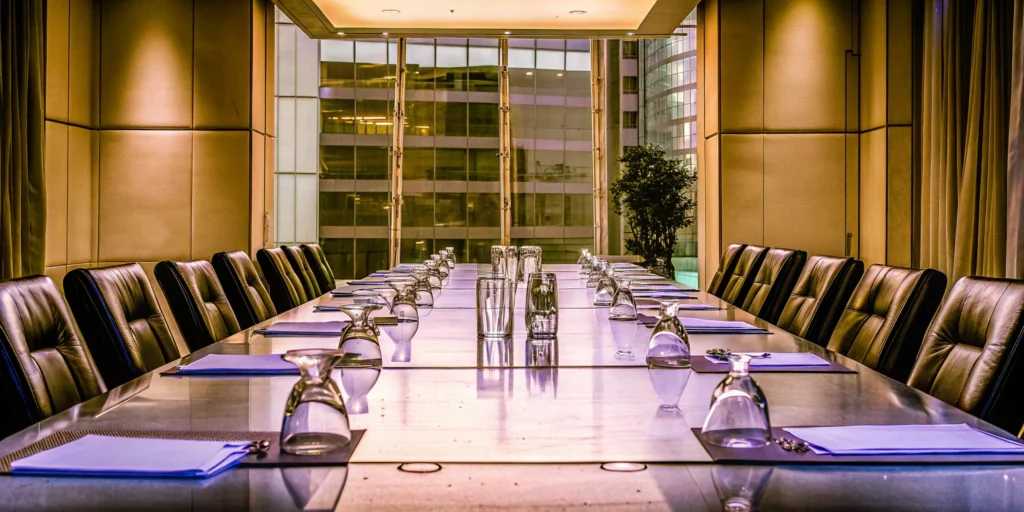

That moment when “we should have an event” becomes “you’re in charge of the event” can be both exciting and completely overwhelming. Suddenly, you’re facing a mountain of decisions about venues, vendors, budgets, and timelines. Where do you even begin? The key is to have a solid framework that turns chaos into a clear, step-by-step plan. Effective corporate event planning isn’t about having a magic wand; it’s about having a great process. In this guide, we’ll walk you through that process from start to finish. We’ll cover everything from setting clear goals and managing your budget to keeping attendees engaged, giving you the confidence to execute a flawless event.
Key Takeaways
- Strategy First, Logistics Second: Your event’s success starts with clear, measurable goals. Defining your “why” from the beginning informs every decision, from the budget to the venue, and gives you a clear way to measure your return on investment.
- Your Plan is Your Lifeline: A detailed timeline and a realistic budget are non-negotiable for a smooth planning process. Always build in a 10-15% contingency fund to handle unexpected issues without derailing your event.
- Focus on the Attendee Experience: An engaged guest is the true measure of success. Build excitement before the event, design interactive activities to encourage connection, and use post-event feedback to make your next function even better.
What is Corporate Event Planning?
At its heart, corporate event planning is the complete process of designing, organizing, and executing an event that serves a specific business purpose. This goes far beyond simply picking a date and sending out invitations. It’s a strategic function that, when done right, can have a major impact on a company’s goals, culture, and bottom line. Whether you’re launching a new product, celebrating a company milestone, or bringing industry leaders together, the event needs to be a seamless reflection of your brand.
Modern corporate event planning is much more than just booking spaces and managing vendors. It’s about weaving together strategy, systems, and people to produce real, measurable business results. Every decision, from the guest list to the lighting, should tie back to the event’s primary objective. Are you trying to generate leads, build team morale, or educate your customers? The answer will shape every aspect of the planning process. As a team of seasoned event professionals, we know that a successful event feels effortless to attendees, but that feeling is only achieved through meticulous, strategic planning behind the scenes. It’s about creating an experience that resonates with your audience long after they’ve gone home.
The Core Components
So, what does the day-to-day of corporate event planning actually look like? It’s all about managing the details. A great event planner is a master coordinator, handling every logistical element to ensure nothing falls through the cracks. This includes everything from finding the perfect venue and negotiating contracts to setting up sound, lighting, and visuals. Planners also arrange for catering, manage guest registration and check-in, and coordinate with every vendor involved. Think of it as conducting an orchestra—each component must work in perfect harmony to create a successful final performance. This detailed management is what transforms a simple gathering into a polished, professional corporate function.
Common Types of Corporate Events
Corporate events come in all shapes and sizes, each designed to meet a different business need. You might be planning large-scale conferences, intimate award ceremonies, high-energy product launches, or informative press conferences. Other common formats include annual company meetings, team-building retreats, and even virtual or hybrid events that connect audiences from around the world. Each of these formats serves a unique purpose, whether it’s for internal team building or external brand marketing. No matter the type, starting the planning process as early as possible is crucial. Getting a head start helps with budgeting, securing the best venue, and giving you plenty of time to smooth out any unexpected bumps in the road.
Your Step-by-Step Guide to Planning a Corporate Event
Planning a corporate event can feel like a huge undertaking, but breaking it down into manageable steps makes all the difference. Think of it as a roadmap that guides you from the initial idea to a successful, memorable event. Whether you’re planning a small team offsite or a large-scale conference, this framework will keep you organized, on track, and focused on what truly matters: creating an impactful experience for your attendees. Let’s walk through the essential steps together.
Define Your Goals and Objectives
Before you book a single vendor or send a single email, you need to know your “why.” What is the purpose of this event? As one industry resource puts it, “An event goal represents a desired, specific outcome you aim to achieve.” Are you trying to generate new leads, celebrate a company milestone, or train your team on a new skill? Your goals will shape every decision you make. To make them truly effective, ensure your objectives are SMART: Specific, Measurable, Attainable, Relevant, and Timely. This clarity will be your north star throughout the entire planning process.
Create Your Timeline and Budget
With your goals in place, it’s time to map out the “when” and “how much.” Start with your event date and work backward to create a detailed timeline. Set deadlines for major milestones like securing a venue, launching your marketing campaign, and finalizing your guest list. Next, build your budget. List every potential expense, from big-ticket items like catering and venue rental to smaller details like name tags and decor. It’s always a smart move to add a 10-15% contingency line item for those unexpected costs that inevitably pop up. A well-planned budget is the key to financial success and prevents stressful last-minute scrambles.
Find the Perfect Venue
The right venue sets the tone for your entire event. Your goal is to “choose a unique and inspiring place that fits your budget and makes guests feel good.” When evaluating options, consider the essentials: capacity, location, accessibility, and available amenities like A/V equipment and parking. But don’t forget about the vibe. Does the space align with your brand and the event’s purpose? Whether you need a sleek, modern conference center or a unique, intimate loft, the perfect space is out there. Securing the right venue is a huge step in bringing your vision for private events to life.
Coordinate Logistics and Vendors
This is where all the moving parts come together. Managing logistics involves handling all the details, from “finding the right location (venue selection), setting up sound, lights, and visuals (audio-visual), arranging food and drinks (catering), and managing social media for the event.” You’ll be coordinating with a team of vendors—caterers, photographers, A/V technicians, and more. Clear communication is critical. Make sure you have detailed contracts, confirm load-in times, and create a master contact sheet. Juggling these elements is often the most complex part of planning, which is why many companies partner with an experienced event planning team to ensure everything runs smoothly.
Common Challenges in Corporate Event Planning
Even with a perfect plan, you’re bound to run into a few challenges. Corporate event planning is a complex job with many moving parts, and knowing what to watch for can make all the difference. From keeping an eye on the budget to making sure your guests are having a great time, anticipating these common hurdles is the first step to overcoming them. Think of these challenges not as roadblocks, but as opportunities to be creative and resourceful. With the right approach, you can handle anything that comes your way and still deliver an incredible event that feels seamless to your attendees.
Sticking to Your Budget
Your budget is the foundation of your event, but it’s also one of the easiest things to lose control of. Unexpected costs pop up, and small expenses can quickly add up. The key is to create a realistic budget from the very beginning and track every single cost with care in a dedicated spreadsheet or software. Before you sign any contracts, be sure to get quotes from different suppliers to ensure you’re getting a fair price. It’s also a smart move to build a 10-15% contingency fund into your budget for any last-minute surprises. This financial cushion gives you flexibility without derailing your entire plan. Managing these details is a core part of our event planning services.
Managing Deadlines Under Pressure
The countdown to event day can be intense. With so many tasks to complete, it’s easy to feel overwhelmed by deadlines. The best way to stay on track is to create a detailed timeline for the entire planning process, not just the event day itself. Work backward from your event date, setting clear deadlines for major milestones like booking a venue, confirming vendors, and sending invitations. Make sure everyone on your team knows the schedule and their responsibilities by using a shared calendar or project management tool. This master plan will be your guide, helping you manage your time effectively and reduce stress as you bring your corporate event to life.
Keeping Attendees Engaged
An empty dance floor or a silent conference hall is every planner’s nightmare. Your guests’ experience is everything, so you need to design an event where interaction and connection happen naturally. Think beyond the standard presentation and cocktail hour. You can inspire and entertain your guests by including fun activities like hands-on workshops, problem-solving games, live polling, or unique food experiences. Engagement starts long before the event, with strategic event marketing that builds excitement and lets attendees know what to expect. The goal is to create a dynamic atmosphere that holds your attendees’ attention from the moment they arrive until they leave, making it a truly memorable experience.
Juggling Multiple Vendors
Coordinating with the venue, caterer, AV technicians, decorators, and entertainers can feel like a full-time job in itself. Each vendor has their own schedule, requirements, and contract terms. Clear communication and organization are critical to making sure everyone works together seamlessly. This is where having a single point of contact can be a lifesaver. An experienced event planner handles all the details, from venue selection and catering to audio-visual logistics and social media management. This ensures nothing falls through the cracks and that every element works in harmony, a commitment you’ll see reflected in the feedback from our satisfied clients.
How Technology Can Help You Plan Smarter
Let’s be honest: spreadsheets and sticky notes can only get you so far. Modern corporate events have a lot of moving parts, and the right technology can be your secret weapon for a seamless experience. Instead of adding to your workload, these tools are designed to streamline communication, gather valuable data, and make your event more engaging for everyone involved. Think of tech as your most efficient team member—the one who handles the tedious tasks so you can focus on creating an unforgettable event. From all-in-one platforms that manage every detail to interactive apps that keep guests connected, integrating the right tools can make the difference between a good event and a great one.
It’s all about working smarter, not harder, to pull off an event that feels effortless to your guests. Technology helps you stay organized, make data-driven decisions on the fly, and prove the value of your event to stakeholders. Whether you’re planning an intimate corporate retreat or a large-scale conference, leveraging technology means you can anticipate needs, solve problems before they arise, and deliver a polished, professional experience from start to finish. It frees you up from being buried in logistics so you can be present and focused on what truly matters: your attendees.
Event Management Platforms
Imagine having a central hub for every single detail of your event. That’s what an event management platform does. These powerful tools bring together everything from registration and ticketing to marketing and post-event analytics. Instead of juggling a dozen different apps and documents, you have one source of truth. The best platforms help you collect data and see your return on investment (ROI), which is crucial for proving your event’s value and planning even better ones in the future. It’s a game-changer for staying organized and ensuring no detail falls through the cracks.
Interactive Mobile Apps
An event app is one of the best ways to keep your attendees informed and engaged. Think of it as a digital guide in every guest’s pocket. You can use a mobile app to send real-time updates, share agenda changes, and provide maps of the venue. It’s also a fantastic tool for communication, allowing you to message speakers and staff instantly. Beyond logistics, apps can host interactive elements like live polls, Q&A sessions, and networking forums, transforming passive attendees into active participants. This direct line of communication makes your entire event run more smoothly and enhances the overall guest experience.
Virtual and Hybrid Event Tech
The ability to host virtual and hybrid events has become essential. This technology allows you to expand your reach far beyond the walls of your venue, welcoming attendees from around the globe. But a successful hybrid event is more than just a livestream. It requires the right tech to create an inclusive experience for both in-person and virtual guests. High-quality streaming, interactive platforms, and virtual networking lounges are key components. Planning a hybrid function that feels cohesive for everyone requires expertise, but the right tools make it possible to deliver a world-class event to a wider audience.
Using Real-Time Analytics
Why wait until after the event to find out what worked? With real-time analytics, you can track key metrics as they happen. By setting up live dashboards, you can monitor everything from attendee check-ins and session popularity to app usage. This data allows you to make immediate adjustments on the ground. For example, if you see a session is overflowing, you can quickly direct attendees to a new space. These immediate insights help you solve problems before they start and ensure you’re delivering the best possible experience for your guests and sponsors.
Building Your Event Dream Team: Vendors
Your vendors are the people who bring your event vision to life, from the caterer to the AV team. They’re more than just contractors; they’re your partners in creating an unforgettable experience. Choosing the right ones and managing those relationships effectively is one of the most critical parts of event planning. It’s about assembling a reliable, creative, and professional team that works in sync to deliver a flawless event.
How to Select the Right Partners
Think of this process as building a custom team for your specific event. Start by clearly defining what you need from each vendor. Look for partners with a proven track record in your type of event—a gala has very different needs than a tech conference. Don’t be afraid to ask for references and look at their past work. When it comes to technology, compatibility is key. For instance, when you choose event software, make sure it integrates smoothly with your existing systems. Reading testimonials and case studies can give you confidence that you’re choosing partners who consistently deliver excellence and understand the nuances of corporate functions.
Nailing the Negotiation
Once you have a shortlist of potential vendors, it’s time to talk numbers. The best approach is to be transparent about your budget and expectations from the very beginning. To ensure you’re getting fair market value, it’s always a good idea to get quotes from different suppliers. This isn’t about lowballing; it’s about understanding the costs and finding a solution that works for everyone. Remember that the contract should clearly outline all deliverables, timelines, and payment schedules to avoid any surprises. A clear agreement is the foundation of a great vendor partnership and a successful event.
Managing Vendor Relationships
The work doesn’t stop once the contracts are signed. Think of your vendors as an extension of your own team. Clear and consistent communication is essential for a smooth process. Provide them with a detailed event brief, run-of-show, and a list of key contacts. For example, you’ll want to work with technical staff to make sure the lighting and music perfectly match your event’s theme and atmosphere. The more your vendors understand your goals and your audience, the better they can tailor their services to create the right experience. This collaborative approach ensures every element comes together seamlessly on event day.
How to Keep Your Attendees Engaged
The success of your corporate event hinges on one thing: keeping your guests interested. An engaged audience doesn’t just show up; they participate, connect, and remember the experience long after it’s over. When attendees are actively involved, they’re more likely to absorb your message, form meaningful professional relationships, and leave with a positive view of your brand. The key is to move beyond a passive listening experience and create an environment that invites interaction and excitement from start to finish. This means thinking about the entire attendee journey, from the moment they hear about the event until they head home.
Plan Interactive Activities and Networking
Your event agenda should be more than just a series of presentations. Weave in activities that get people talking and moving. Think about incorporating live polls during sessions, setting up hands-on workshops, or creating small breakout groups for focused discussions. Fun, structured networking opportunities are also a must. Instead of leaving guests to mingle awkwardly, you can organize speed networking rounds or set up themed tables where people can connect over shared interests. These interactive elements break up the day, spark energy, and help build a genuine sense of community among your attendees, making the entire experience more valuable for everyone involved.
Build Hype Before the Event
Engagement starts long before the event doors open. You need to build anticipation and make people feel excited about what’s to come. Use a strategic marketing campaign to share sneak peeks of the agenda, highlight keynote speakers, and count down to the big day on social media. Sending well-crafted invitations and regular email updates helps attendees feel informed and valued. By explaining exactly why they should be there and what they’ll gain, you create a sense of exclusivity and importance, ensuring they arrive eager and ready to participate from the moment they walk in.
Create a Memorable Experience
Ultimately, a truly engaging event is a memorable one. This means every detail, from the check-in process to the closing remarks, should feel seamless and intentional. When you create an immersive atmosphere that reflects your company’s brand and the event’s core purpose, you keep attendees invested in the experience. Think about the flow of the space, the quality of the food and drinks, and the overall ambiance. When guests feel comfortable and catered to, they are more open to connecting and learning. This focus on the complete guest journey is what our clients often highlight in their testimonials, and it’s what transforms a standard meeting into an impactful event.
Master Your Event Budget
Let’s talk about the one thing that can make or break any event: the budget. Managing money effectively is less about crunching numbers and more about making smart, strategic decisions that align with your event goals. A well-planned budget is your roadmap, guiding every choice from the venue to the parting gifts. It ensures you can deliver a fantastic experience without any last-minute financial surprises. With a clear financial plan, you can allocate resources where they’ll have the most impact, negotiate with confidence, and keep your stakeholders happy.
Create a Budget That Works
The first step is to build a realistic budget. This isn’t just a single number; it’s a detailed, line-item spreadsheet that accounts for every potential expense. Start by listing all the major categories: venue rental, catering, audio-visual equipment, speaker fees, marketing, and staffing. Then, research and get quotes from different suppliers to fill in the blanks with accurate estimates. Tracking all your costs carefully from the very beginning is crucial. This document will become your financial command center, helping you see exactly where your money is going and empowering you to make informed decisions throughout the planning process.
Plan for Unexpected Costs
No matter how perfectly you plan, surprises are part of the event world. A key speaker might have a last-minute travel delay, a sudden downpour could force your outdoor reception inside, or you might need extra security. That’s why a contingency fund is non-negotiable. A good rule of thumb is to set aside 10-15% of your total budget for these unforeseen expenses. Having this buffer gives you the flexibility to handle issues without derailing your entire event. Think of it as your plan B—a safety net that lets you solve problems quickly and keep the experience seamless for your guests.
Smart Ways to Cut Costs
Cutting costs doesn’t have to mean sacrificing quality. It’s about spending smarter. Prioritize what’s most important to your attendees and focus your budget there. For instance, investing in a high-caliber keynote speaker might be more valuable than elaborate decorations. You can also find savings by being flexible with your event date—hosting on a weekday is often cheaper than a weekend. Consider venues that bundle services like catering and A/V, which can simplify logistics and offer better value. Building strong vendor relationships can also lead to better rates and more collaborative partnerships, ensuring you get the most out of every dollar spent.
Did Your Event Succeed? Here’s How to Tell.
After the last guest has left and the final invoice is paid, how do you really know if your event was a success? It’s about more than just a gut feeling. A truly successful event is one that meets specific, predetermined goals. Measuring your event’s performance isn’t just about getting a report card; it’s about gathering the insights you need to make your next event even more impactful. By looking at the right data and asking the right questions, you can get a clear picture of what worked, what didn’t, and what your attendees truly thought. This process turns every event into a valuable learning experience, ensuring you’re always improving and delivering incredible results. Let’s walk through how to measure your event’s success in a way that’s straightforward and incredibly useful.
Define What Success Looks Like (KPIs)
Before you even book a venue, you need to know what you’re trying to achieve. Key Performance Indicators (KPIs) are just a formal way of saying, “Here’s how we’ll know we did a good job.” Your goals should be crystal clear. Instead of aiming for “more attendees,” try something like, “Increase event registration by 20% over last year.” This gives you a specific target to hit. Using the SMART framework (Specific, Measurable, Attainable, Relevant, and Timely) helps you set goals that are ambitious but grounded in reality. Whether your goal is lead generation, brand awareness, or employee morale, defining it upfront makes every decision, from marketing to programming, much easier.
Collect Attendee Feedback
The numbers can tell you one story, but your attendees tell you the rest. Their experience is at the heart of your event’s success, so it’s essential to ask them what they thought. You can do this through post-event surveys sent via email or text, social media polls, or even informal conversations during the event itself. Ask specific questions about the speakers, the venue, the networking opportunities, and the overall organization. When you follow up, you can even personalize your communication based on which sessions they attended. This not only gives you invaluable feedback but also shows your guests that you value their opinion, helping to build a stronger connection long after the event is over.
Measure Your ROI and Improve for Next Time
Now it’s time to bring everything together. Compare your initial KPIs with the final results. Did you hit your registration target? Did you stay within budget? Combine this quantitative data with the qualitative feedback from your attendees. This complete picture helps you calculate your return on investment (ROI)—in other words, was the outcome worth the resources you put in? This final step isn’t about judging your performance; it’s about learning. Every event provides a blueprint for the next one. By understanding what resonated with your audience and what fell flat, you can refine your strategy and ensure your future private events are even more successful.
Related Articles
- Your Ultimate Guide to Hiring Corporate Event Planner in NYC
- Planning the Perfect Corporate Event: A Guide From Industry Experts
- Corporate Event Management: Elevate Your NYC Events
- The Art of Corporate Event Planning: Tips from the Pros
- Key Corporate Event Planning Details You Must Cover
Frequently Asked Questions
How far in advance should I start planning a corporate event? There’s no single right answer, as it really depends on the size and complexity of your event. For a large-scale conference or gala, you should ideally start the planning process 9 to 12 months out. This gives you the best chance of securing your preferred venue and top-tier speakers. For smaller internal meetings, team-building events, or local functions, a 3 to 4-month lead time is often enough to get everything organized without feeling rushed. The golden rule is that more time is always better.
My event is on a tight budget. Where should I focus my spending to get the most impact? When you have to make every dollar count, focus your budget on the elements that directly shape the guest experience. Your attendees will remember an incredible keynote speaker, delicious food, and a comfortable, well-located venue far more than they’ll remember elaborate floral arrangements. Prioritize spending on high-quality content and hospitality. You can often save on things like printed programs by using an event app, or by choosing a venue that has its own unique, built-in decor.
What’s the biggest mistake people make when planning a corporate event for the first time? The most common mistake is jumping straight into the fun details, like picking a theme or tasting menus, without first defining the event’s purpose. Without a clear “why,” your event lacks direction. Every decision, from the guest list to the agenda, should support a specific business goal. Taking the time to set clear, measurable objectives from the very beginning is the single most important step, as it ensures your event is not just a great party, but a strategic success.
How do I keep a hybrid event engaging for both in-person and virtual attendees? The key to a great hybrid event is to create a shared experience, not just a livestream. This means you need to actively manage both audiences. Designate a dedicated host or moderator for your virtual attendees to facilitate their own Q&A and discussions. Use technology, like a shared event app, that allows both audiences to participate in polls, submit questions, and interact with each other. Think of it as producing a television show for your remote guests, ensuring they have a high-quality, engaging view, rather than just a static camera at the back of the room.
When does it make sense to hire a professional event planner? You should consider hiring a professional planner when the event’s scale or importance puts a major strain on your internal team’s time and resources. If you’re juggling multiple vendors, complex contract negotiations, and detailed timelines for a high-stakes event, an expert can be invaluable. A planner allows your team to focus on the content and networking—the parts of the event where they can shine—while the planner handles the complex logistics to ensure everything runs flawlessly behind the scenes.