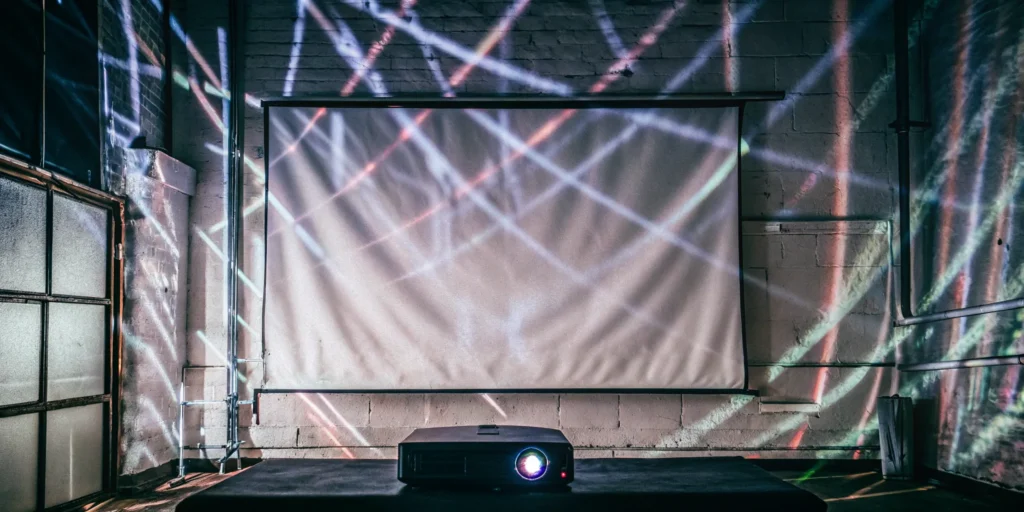

You’ve probably seen it at a major concert or in a viral video: a historic building that appears to crumble and rebuild itself with light, or a plain stage that morphs into a dozen different worlds. That stunning visual magic is called projection mapping, and it’s no longer just for massive productions. This technology turns almost any surface—from a ballroom wall to a wedding cake—into a dynamic canvas for video and animation. It’s a powerful way to transform a space, create a specific mood, and give your guests a truly immersive experience. This guide will walk you through everything you need to know about using projection mapping for events to create that unforgettable “wow” factor.
Key Takeaways
- Create an Unforgettable Atmosphere: Use projection mapping to turn any surface, from a stage to a building, into a dynamic visual experience. This technology allows you to fully customize your venue to fit any theme, making your event more immersive and engaging for guests.
- Master the Core Logistics: A successful projection requires careful planning. Start at least six weeks in advance, choose a light-colored and non-reflective surface, and work with your team to control ambient light for the most vibrant display.
- Invest in the Right Expertise: Projection mapping is a specialized field that requires a professional team and a realistic budget. Vet vendors by reviewing their portfolios and ask detailed questions to ensure they can execute your vision flawlessly.
What is Projection Mapping?
Have you ever seen a building’s architecture completely transform with light, or a plain stage morph into a dynamic, moving landscape? That’s the magic of projection mapping. Think of it as painting with light. This technology uses specialized projectors to cast video, images, and graphics onto surfaces that aren’t flat, like 3D objects or uniquely shaped walls. Instead of being confined to a rectangular screen, your visuals can wrap around columns, cover an entire stage, or even bring a wedding cake to life.
The goal is to turn everyday objects and spaces into an extraordinary canvas for visual storytelling. It’s a powerful tool that can completely change the atmosphere of an event, making it feel more immersive and memorable for your guests. Whether you’re launching a new product or creating a fairytale wedding, projection mapping gives you a way to design an environment that is truly one-of-a-kind. It moves beyond simple decoration and creates a living, breathing experience that captivates an audience from the moment they walk in.
How the Technology Works
Bringing a projection mapping concept to life is a blend of artistry and technical precision. It starts with choosing the right surface—the “canvas” for your projection. From there, the process involves taking careful measurements of the object or space to create a digital 3D model. This model acts as a guide for creating the visual content, ensuring every pixel lands exactly where it’s supposed to. Without this step, the images could look stretched or distorted.
Once the content is designed, projectors are strategically placed to cover the entire surface without casting shadows or having their light washed out by other lighting. The final step is the mapping itself, where technicians use specialized software to align the projected visuals perfectly with the contours of the surface. It’s a meticulous process, but when done correctly, the result is a seamless and stunning visual display that makes your event production unforgettable.
Common Projection Mapping Techniques
Projection mapping isn’t a one-size-fits-all solution; the technique changes based on your surface and goals. The most common approach involves projecting onto 3D objects or uneven surfaces, making them appear to transform. You could make a static car on a tradeshow floor look like it’s driving through different landscapes, for example. Another technique, projection masking, is used for flat surfaces that have an unusual, non-rectangular shape, like a custom-built stage backdrop.
The content itself can also vary widely. While complex 3D animations create a huge impact, you don’t always need a Hollywood-level budget to make a statement. Simple, elegant designs like a company logo, animated patterns, or textured light effects can dramatically enhance the ambiance of your corporate events. The key is to match the technique and content to your event’s theme and your audience.
Why Use Projection Mapping for Your Event?
If you want to create an event that people talk about for years, projection mapping is one of the most powerful tools at your disposal. It goes beyond simple decorations, transforming your venue into a living, breathing environment that captivates guests from the moment they arrive. Here’s why it’s a game-changer for any event.
Create Immersive Experiences
Projection mapping lets you completely change a space’s atmosphere. Think of it as “painting with light” to turn walls, stages, or buildings into dynamic canvases. You can transport guests to a magical forest or a bustling cityscape without building a single physical set. This level of immersion makes your event feel less like a gathering and more like an experience. By creating a unique world for your guests, you ensure your private events are truly unforgettable.
Increase Audience Engagement
Holding your audience’s attention can be a challenge. Projection mapping solves this by creating a stunning visual focal point. Instead of a static backdrop, you can have a display that moves and changes with your event’s programming. For a conference, this could mean blending a speaker’s presentation with animated graphics that bring their points to life. For a gala, it could be a shifting mural that evolves throughout the evening. This dynamic element keeps guests engaged and focused, making it perfect for impactful corporate events.
Adapt to Any Theme or Style
One of the biggest advantages of projection mapping is its versatility. Because the technology can project visuals onto almost any surface—flat, curved, or irregularly shaped—it can be tailored to fit any theme. Whether you’re planning a sleek product launch or a romantic wedding, the projections can be designed to match your vision perfectly. This flexibility gives you complete creative control to customize a venue. Our team has experience producing a wide variety of events, and this technology helps us bring any concept to life.
Choose a Sustainable Alternative to Physical Sets
Building elaborate, single-use sets is costly and generates significant waste. Projection mapping offers a more sustainable and often more affordable alternative. Instead of constructing physical backdrops, you can create breathtaking digital scenery that can be changed with the click of a button. This reduces your event’s environmental footprint and gives you the freedom to update visuals throughout the night without extra materials. It’s a smart, modern approach to event design that is both budget-friendly and eco-conscious.
What Kinds of Events Use Projection Mapping?
Projection mapping is incredibly versatile, which is why you see it popping up at all sorts of gatherings. It’s not just for massive music festivals or high-tech art installations. This technology can be scaled and customized to fit the goals of almost any event, from a corporate keynote to an intimate wedding. The key is matching the visual experience to the event’s purpose and audience. Let’s look at some of the most common places you’ll find projection mapping making an impact.
Corporate Events and Product Launches
In the corporate world, making a memorable impression is everything. Projection mapping is a powerful technology that turns ordinary surfaces into dynamic, immersive visual experiences for your guests. Imagine launching a new product by having its features and design projected in 3D onto a plain object, or transforming a ballroom into a branded environment that tells your company’s story. For corporate events, this technology can display company logos, data visualizations, or mission statements in a way that captivates attendees far more effectively than a standard slide deck. It’s a sophisticated way to ensure your message not only gets seen but is also felt.
Weddings and Private Parties
For personal celebrations, projection mapping adds a touch of pure magic. It allows you to completely customize your venue and create an atmosphere that is uniquely yours. This technology can transform a simple wall into a magical underwater scene or a glowing city skyline, making your event theme come alive. You can project a photo slideshow onto the dance floor or even create intricate, animated designs on your wedding cake. For private events like bar mitzvahs or milestone birthdays, you can tell a personal story through visuals, creating an unforgettable experience that feels deeply personal and looks absolutely stunning.
Concerts and Live Shows
Projection mapping adds a whole new layer of excitement to live performances. Musicians and artists use it to create visually stunning and immersive stage designs that sync perfectly with their music. Instead of a static backdrop, performers can interact with dynamic visuals that change with every beat, creating a multi-sensory show for the audience. This technology can make a stage appear to change shape, transport the audience to another world, or simply amplify the energy in the room. It’s a key element in modern show production that helps create those jaw-dropping moments that people talk about long after the final encore.
Trade Shows and Conferences
Standing out in a crowded exhibition hall is a major challenge. Projection mapping can make your booth the main attraction. It’s a special way to show videos, graphics, and images on surfaces that aren’t flat, like 3D objects or walls with unique shapes. You can create an interactive product demo on a plain white model or use the floor space in front of your booth for eye-catching animated graphics that draw people in. At large-scale industry events like The Event Planner Expo, this technology can turn a standard booth into an engaging destination, helping you attract more foot traffic and make a lasting impression on potential clients and partners.
What Tech Do You Need for Projection Mapping?
Pulling off a stunning projection mapping display involves more than just a projector and a laptop. It’s a carefully orchestrated symphony of hardware and software working in perfect harmony. Getting the technical components right is the foundation of your entire project. Without the correct gear, even the most brilliant creative concept can fall flat. The three core pillars of projection mapping technology are the projectors themselves, the specialized mapping software, and a high-quality sound system to create a truly multisensory experience. Think of them as the paintbrush, the artist’s hand, and the music that brings the canvas to life.
Choose the Right Projectors
The projector is the heart of your setup, and not just any model will do. The key is to select projectors with enough brightness and resolution to make your visuals pop. Brightness, measured in lumens, is crucial for cutting through any ambient light in your venue, ensuring your images are crisp and vibrant, not washed out. The resolution determines the clarity and detail of the projection. For intricate designs or large surfaces, a high-resolution projector is non-negotiable. The right choice depends entirely on your event’s specific needs—a daytime corporate launch will require a much more powerful projector than an intimate evening wedding reception. Our team helps you select the perfect event production equipment for any setting.
Find the Best Mapping Software
If the projector is the heart, the mapping software is the brain. This is the specialized tool that allows technicians to take a standard video or image and perfectly fit it to the contours of a three-dimensional surface. The software digitally “wraps” the content onto the object—whether it’s a building facade, a stage set, or even a car—correcting for any distortion from angles, curves, or textures. This process, often called “masking” or “warping,” is what creates the seamless, magical illusion that the object itself is transforming. While there are many professional software options available, your production partner will handle the technical side, using these powerful tools to bring your creative vision to life.
Integrate Sound and Visuals
Visuals alone are powerful, but when you pair them with synchronized audio, the experience becomes truly immersive. Integrating sound with your projection mapping can transform the entire atmosphere of your event, making the display feel more dynamic and emotionally resonant. Imagine a product reveal where futuristic sounds build anticipation as visuals swirl across the stage, or a gala where the building’s architecture seems to dance to a classical score. This requires more than just playing a track in the background; it involves a professional sound system precisely timed with the visual cues. This combination of sight and sound is what creates those unforgettable moments that will have guests talking long after your private event is over.
How to Plan a Projection Mapping Project
Pulling off a stunning projection mapping display requires more than just cool tech—it demands careful planning. Just like any other major element of your event, the key to success is in the details. From establishing a realistic timeline to getting the right permissions, every step is crucial for creating a seamless and memorable experience. Thinking through these logistics ahead of time will save you from last-minute scrambles and ensure your vision comes to life exactly as you imagined. Let’s walk through the essential planning stages for your next projection mapping project.
Set Your Timeline
Time is your most valuable resource when planning a projection mapping project. For a relatively simple setup, you should start the process at least six weeks before your event. If you’re dreaming up a more complex design with custom content and intricate surfaces, give yourself even more time—three to six months is a safer bet. Starting early gives your creative team ample time to design, test, and refine the visuals. It also gives you a better chance of booking your preferred vendors and securing better rates. An extended timeline provides a buffer for any unexpected challenges and allows for more thoughtful collaboration, ensuring the final product is polished and impactful.
Select the Right Surface
The surface you project onto is your canvas, and your choice will define the entire effect. The best surfaces are typically light-colored and non-reflective, as this allows the projected images to appear bright and clear. You can project onto a flat wall, a stage backdrop, or get more creative by mapping onto three-dimensional objects like architectural features, a car, or even a wedding cake. However, it’s important to choose your surface carefully to avoid distorting the images. Highly textured, dark, or glossy surfaces can interfere with the projection’s clarity. When you work with our event planning team, we help you select a surface that complements your vision and enhances the overall experience.
Manage Lighting and Environmental Factors
Ambient light is the biggest rival of projection mapping. For your visuals to pop, you need a dark environment. When planning an indoor event, you’ll need to coordinate with your lighting designer to ensure that spotlights and other event lighting don’t wash out the projected display. For outdoor projects, the challenges multiply. You’ll have to consider natural light at dusk, streetlights, and even a bright full moon. Beyond lighting, you also need a plan for other environmental factors. Weather can be unpredictable, so you’ll need a contingency for rain or high winds. Access to a stable power source is another critical detail that needs to be sorted out well in advance.
Secure Permissions and Venue Approval
This step is absolutely critical, especially if you plan to project onto a building you don’t own. Before you go any further, you must get clear, written permission from the property owner. Projecting onto a public-facing building without approval can lead to serious legal issues. For indoor events, you’ll need to work closely with the venue management. Confirm that they allow projection mapping and discuss any logistical constraints they might have, such as where you can place projectors or rig equipment. At EMRG Media, we handle these conversations for you, ensuring all necessary permissions are secured so your event runs smoothly and professionally.
How to Create Content for Projection Mapping
The magic of projection mapping isn’t just in the technology—it’s in the story you tell with it. Creating compelling content is where your event’s theme and message truly come to life. This process is a unique blend of artistic vision and technical skill, where every animation, color, and transition is meticulously planned to create a seamless illusion. The goal is to make your audience forget they’re looking at a projection and instead feel like they’re witnessing something real and extraordinary.
Great content feels like it belongs on the surface it’s projected onto. It considers every angle, curve, and texture of the object, whether it’s the intricate architecture of a historic building or a custom-built stage set. This is where your brand’s narrative can unfold in a visually stunning way. By working with a team that understands both the creative and technical sides, you can develop visuals that not only look amazing but also align perfectly with your event’s objectives. Effective marketing is about making a memorable impact, and projection mapping content does exactly that.
Design for Your Surface and Audience
Think of your projection surface as a custom canvas. The content you create must be designed specifically for its unique dimensions and features to avoid looking stretched or distorted. A flat wall is one thing, but projecting onto a car, a wedding cake, or a complex stage requires a deep understanding of how the visuals will interact with the object’s shape and texture. You’ll need to tailor your content to the specific characteristics of the surface to create a believable and immersive effect.
Beyond the surface itself, consider your audience’s perspective. Where will they be standing or sitting? The visuals should be designed to look incredible from the primary viewing areas. This ensures every guest gets the full experience you intended.
Add Interactive and 3D Elements
This is where you can really capture your audience’s imagination. Using 3D effects can make a static object appear to morph, ripple, or even crumble before your eyes. It adds a layer of depth and realism that flat projections simply can’t match. These dynamic visuals are perfect for telling a story or revealing a new product in a dramatic and unforgettable way.
To take it a step further, you can make the experience interactive. Imagine guests changing the projected visuals in real-time by moving through a space, using a touchscreen, or even posting on social media with a specific hashtag. This turns passive viewers into active participants, creating a much more personal and engaging experience that they’ll be talking about long after the event ends.
Time Your Content with the Event’s Flow
Your projection mapping content should be a supporting character in your event’s story, not a scene-stealer that distracts from the main action. The key is to synchronize the visuals with the event’s schedule and key moments. You can time a dramatic visual sequence to a speaker’s entrance, a product reveal, or the climax of a musical performance. This enhances the moment without overpowering it.
Strategically placed projections can also guide your guests’ attention throughout the venue. You can highlight the entrance as people arrive, draw focus to the stage for important announcements, or even create ambiance around food stations. Planning these cues for private events requires close collaboration between the event planner and the content team to ensure every visual element feels intentional and perfectly timed.
Common Projection Mapping Challenges to Anticipate
Like any show-stopping event feature, projection mapping comes with its own set of potential curveballs. But don’t let that intimidate you—a little foresight goes a long way. Knowing what to look out for is the first step to a flawless execution, ensuring your visuals land with the impact they deserve. From technical hiccups to unpredictable weather, being prepared is key.
At EMRG Media, we’ve seen it all, and we know that the most stunning displays are born from meticulous planning. Anticipating challenges isn’t about expecting the worst; it’s about building a solid plan that allows for flexibility and quick problem-solving on the day of your event. Let’s break down the most common hurdles so you can feel confident and ready for anything.
Plan for Technical Glitches
Technology is incredible, but it isn’t always perfect. A seamless projection mapping experience depends on multiple components—projectors, software, media servers, and sound systems—all working in harmony. A single weak link can disrupt the entire show. That’s why having a contingency plan is non-negotiable. This includes having backup equipment on-site, running full rehearsals with your tech crew, and ensuring your team can troubleshoot on the fly. For corporate events that include a virtual component, it’s even more critical to ensure the remote audience’s experience is just as crisp and engaging as it is for those in the room.
Ensure Surface and Measurement Accuracy
Projection mapping isn’t as simple as pointing a projector at a wall. The magic lies in making the visuals fit the surface like a glove. One of the first technical hurdles is choosing the right surface and preparing it correctly. Uneven textures, dark colors, or reflective materials can distort the image and ruin the effect. Your production team will need to take precise, laser-accurate measurements of the projection surface—whether it’s a building facade, a stage set, or a wedding cake. This data is used to create a 3D model that ensures every pixel lands exactly where it’s supposed to, creating a truly believable illusion.
Address Common Misconceptions
One of the biggest misconceptions we hear from clients is that projection mapping is an easy or inexpensive effect to achieve. While the results are breathtaking, the process requires highly specialized skills, powerful equipment, and significant time for content creation. It’s an investment, but one that delivers an unparalleled return in audience impact. Another myth is that any image or video can be mapped onto any surface. In reality, the content must be custom-designed to fit the specific dimensions and contours of the object. Understanding these common misconceptions helps set realistic expectations from the start, ensuring a smooth collaboration.
Prepare for Weather (for Outdoor Events)
Taking your event outdoors adds a whole new layer of complexity, and projection mapping is no exception. If you’re planning an outdoor installation, you have to account for Mother Nature. Rain or high winds can damage sensitive equipment, so proper weather-proofing and secure rigging are essential. Ambient light is another major factor; projections are most effective after dusk, so you’ll need to time your event accordingly. Even in a city like New York, you have to consider light pollution from surrounding buildings. Finally, you’ll need a reliable power source, which can be a logistical challenge for large-scale private events in open spaces.
How Much Does Projection Mapping Cost?
Let’s talk about the budget. Projection mapping is a premium feature, and the cost can vary quite a bit depending on your vision. Understanding the key factors that influence the price will help you plan effectively and make the most of your investment.
What to Expect for Your Investment
When you’re looking at projection mapping, it’s helpful to think of it as commissioning a custom piece of digital art. Costs often start around $10,000 for each minute of 3D video content, which reflects the detailed work of animators and technicians. While that number might seem big, the return on investment can be huge. A stunning visual display doesn’t just decorate a space; it creates a buzz, draws a bigger crowd, and gives your guests an experience they’ll be talking about long after the event ends. It’s an investment in making your private event truly unforgettable.
How to Plan Your Budget
Your budget for projection mapping will largely depend on the size and complexity of the surface you want to transform. A massive, multi-faceted building will naturally require more projectors, more planning, and more complex content than a single interior wall. If you’re working with a specific budget, a great strategy is to focus your efforts on a smaller area that gets a lot of attention. Think about projecting onto the stage backdrop or the entranceway where everyone walks in. This approach delivers that “wow” factor right where it counts. A key part of our event planning services is helping you identify these key areas to build a realistic and effective budget.
Make It Work for Any Event Size
One of the best things about projection mapping is its versatility. You don’t need a stadium-sized venue to make it work. This technology can be scaled to fit any event, from an intimate gala to a large-scale conference. Instead of trying to cover every surface, pick a few strategic spots to feature the projections. High-impact locations like the stage, dance floor, or even the bar area can become dynamic focal points. Always talk through your ideas with your vendor. Finding creative solutions is what experienced event planners do best, ensuring your vision comes to life beautifully and efficiently.
How to Hire a Projection Mapping Professional
Bringing a projection mapping concept to life requires a unique blend of artistic vision and technical precision. This isn’t a DIY project—you’ll need a specialized team to execute it flawlessly. The right professional or AV company becomes a creative partner, helping you refine your ideas and manage the technical details from start to finish. Finding a team that understands your goals is the most critical step. When you partner with an experienced event planner, we handle the vetting process for you, connecting you with our network of trusted AV specialists for your corporate event or private party.
Find the Right Vendor
Your search for a projection mapping specialist should start with their past work. Look for a company with a strong portfolio showcasing projects similar in scale and style to what you envision. Don’t just look at the final product; read client testimonials and case studies to understand their process and how they collaborate. A great vendor will act as a consultant, helping you understand what’s realistically achievable within your budget and venue constraints. They’ll ask the right questions and offer creative solutions, ensuring your final projection is both stunning and technically sound.
Ask These Questions Before Hiring
Before you sign a contract, have a detailed conversation to ensure you’re aligned on every aspect of the project. This isn’t just about price; it’s about understanding their process and capabilities. Come prepared with a list of questions to make sure they’re the right fit. Ask for their portfolio, experience with your event type, and how they approach content creation. Then, get into specifics: How do they conduct a site survey for precise measurements? What technical support is available on event day? Get a detailed quote that clearly outlines everything included, from hardware to on-site staffing.
Collaborate for a Successful Event
Once you’ve hired a professional, the relationship becomes a partnership. The best results come from open communication and a collaborative process. Share your event goals and theme clearly, but also be open to the team’s expert advice. They understand the technology’s limitations and can guide you toward the most impactful creative choices. Remember to stay flexible. On event day, unexpected things can happen. A seasoned professional team will be prepared to make real-time adjustments, ensuring a seamless and immersive experience for everyone attending your private event.
Start Planning Your Projection Mapping Experience
Ready to bring projection mapping to your next event? A little planning goes a long way in creating a truly memorable experience. To pull off a stunning display, it’s best to start your preparations well in advance. For simpler setups, give yourself at least six weeks. If you’re dreaming up something more elaborate, you’ll want to start even earlier. This lead time isn’t just about avoiding last-minute stress; it helps you secure better deals and gives your creative team plenty of room to refine the visuals.
One of your first steps should be consulting with professionals. Bringing in an audio-visual specialist or a projection mapping company early on is a game-changer. These experts can look at your venue, listen to your ideas, and tell you what’s actually possible within your budget. This is where having an experienced event planning team in your corner can make all the difference, helping you ask the right questions and find the best partners.
You don’t have to cover every wall to make a big statement. Think strategically about where your projections will have the most impact. High-traffic areas like the entrance, the main stage, or even the bar are fantastic focal points. Focusing your efforts on these key spots creates a powerful visual punch without stretching your budget too thin. The surface you project onto is just as important as the projector itself. Choosing the right surfaces is key to ensuring your images look crisp and clear, not warped or faded. Before you get too deep into the creative details, make sure you set a clear budget. Knowing your numbers before you start talking to vendors will help guide every decision and ensure your vision can become a reality.
Related Articles
- Projection Mapping 101: A Beginner’s Guide
- Audio Visual 101: A Complete Guide for Events
- Revolutionizing Event Experiences with Immersive Technology
Frequently Asked Questions
Is projection mapping only for huge, expensive events? Not at all. While it’s famous for transforming entire buildings, projection mapping is incredibly scalable. You can make a huge impact in a smaller space by focusing on a single, high-traffic feature. Imagine projecting intricate, animated designs onto a wedding cake, creating a dynamic stage backdrop for a corporate keynote, or turning the bar area into a visual centerpiece. It’s all about using the technology strategically to create a memorable focal point, no matter the size of your event.
What’s the difference between projection mapping and just using a big video screen? Think of it this way: a video screen is a window, but projection mapping turns the entire room into the view. A screen confines your visuals to a flat, rectangular box. Projection mapping breaks out of that box, using the unique architecture of your space—like columns, curved walls, or even a car on display—as the canvas. This creates a truly immersive experience where the visuals and the environment become one.
Do I have to create all the animated content myself? Definitely not. You bring the vision, and the professionals bring the technical and artistic skills to make it happen. The process is a partnership. You’ll work with a creative team to discuss your event’s theme, goals, and key moments. They will then handle the complex work of designing, animating, and mapping the content to fit your chosen surface perfectly. Your job is to provide the inspiration, not to become a 3D animator overnight.
How much time do I need to plan for a projection mapping project? It’s always best to start the conversation early. For a straightforward project, like projecting a logo or simple patterns onto a flat wall, you should plan for at least six weeks of lead time. If you’re envisioning something more complex with custom 3D animations on an intricate surface, it’s wise to give yourself three to six months. This timeline allows for proper site surveys, content creation, and testing, ensuring everything runs smoothly on your event day.
Can you really project onto any surface? While the technology is very flexible, some surfaces work much better than others. The ideal canvas is a light-colored, non-reflective surface, as this allows the projected images to appear bright and sharp. Dark, glossy, or highly textured materials can absorb the light or distort the visuals, which can weaken the effect. Part of the planning process involves working with a professional to identify the best possible surfaces within your venue to guarantee a stunning result.