


A black tie event is so much more than just the clothes you wear. It’s a shared experience built on a foundation of tradition, elegance, and mutual respect. The dress code is simply the starting point. True grace comes from understanding the etiquette that accompanies the gown and tuxedo—from how to RSVP correctly to when to arrive. It’s about contributing to an atmosphere of sophistication that makes the evening memorable for everyone. This guide will explore not just the “what to wear,” but the “how to act,” ensuring you feel completely at ease and can focus on what matters: celebrating the occasion.
Key Takeaways
- Master the Black Tie Uniform: This dress code has clear, non-negotiable guidelines. Men should wear a true tuxedo with satin details and a bow tie, while women should choose a floor-length evening gown to meet the required level of formality.
- Your Conduct Completes the Look: Etiquette is just as crucial as your attire. Show respect for the host and the occasion by RSVPing promptly, arriving on time, and engaging graciously with other guests throughout the evening.
- Respect the Time and Place: Black tie is strictly for evening functions that begin after 6 p.m. This tradition is what separates it from other dress codes and helps create the sophisticated atmosphere that makes the event feel truly special.
What Exactly Is a Black Tie Event?
When an invitation says “black tie,” it signals an evening of elegance and sophistication. It’s a formal dress code with specific expectations, but don’t let that intimidate you. Understanding what it means is the first step to showing up with confidence and style. Black tie is more than just a set of rules; it’s about participating in a tradition of glamour that makes an event feel truly special. Whether you’re attending a corporate gala or a chic wedding, getting the attire right sets the tone for a memorable night.
Where the Dress Code Came From
The story of black tie begins in the late 1800s, born from a desire for a slightly more relaxed form of evening wear. It all started in 1865 when the Prince of Wales (the future King Edward VII) commissioned a midnight blue silk smoking jacket to wear for private dinners at his country home. This comfortable yet stylish alternative to the restrictive tailcoat caught on. The trend crossed the Atlantic and was introduced to New York’s elite at the Tuxedo Club in 1886, which is how the dinner jacket got its American name: the tuxedo. Over time, the look was standardized with a black bow tie and waistcoat, becoming the definitive semi-formal uniform for any event held after 6 p.m.
Modern Occasions for Black Tie
Today, black tie has largely replaced the even more formal “white tie” as the standard for most upscale functions. You’ll see this dress code requested for a wide range of special events, including public and private dinners, awards ceremonies, balls, and milestone parties. It’s the go-to for high-profile charity galas and New Year’s Eve celebrations. In the United States, black tie weddings have become increasingly popular, lending an air of timeless romance to the occasion. However, etiquette still suggests it’s best for evening ceremonies and receptions. While you might see it less frequently at daytime events, a black tie invitation always promises an evening of elevated style and celebration.
Black Tie for Men: The Definitive Guide
Gentlemen, when you see “black tie” on an invitation, it’s your cue to step into one of the most timeless and elegant looks a man can wear. While it might sound strict, the black tie dress code is actually a straightforward formula for looking sharp and sophisticated. It’s less about reinventing the wheel and more about perfecting a classic. Getting the details right shows respect for your host and the occasion, ensuring you look and feel your absolute best for any gala, wedding, or formal corporate event. Let’s walk through the key components so you can assemble your outfit with total confidence.
The Anatomy of a Perfect Tuxedo
The tuxedo is the absolute cornerstone of black tie attire. This isn’t the time for your go-to business suit. A traditional tuxedo jacket is made of black wool and features lapels faced in shiny satin or grosgrain silk—either a pointed peak lapel or a rounded shawl collar. The matching trousers should be plain-hemmed (no cuffs) and have a single satin stripe down the outer seam that matches the lapels. While black is the classic choice, a deep midnight blue tuxedo is an equally sophisticated and historically correct option. The goal is a clean, polished silhouette that serves as the perfect canvas for your accessories.
Essential Accessories and Finishing Touches
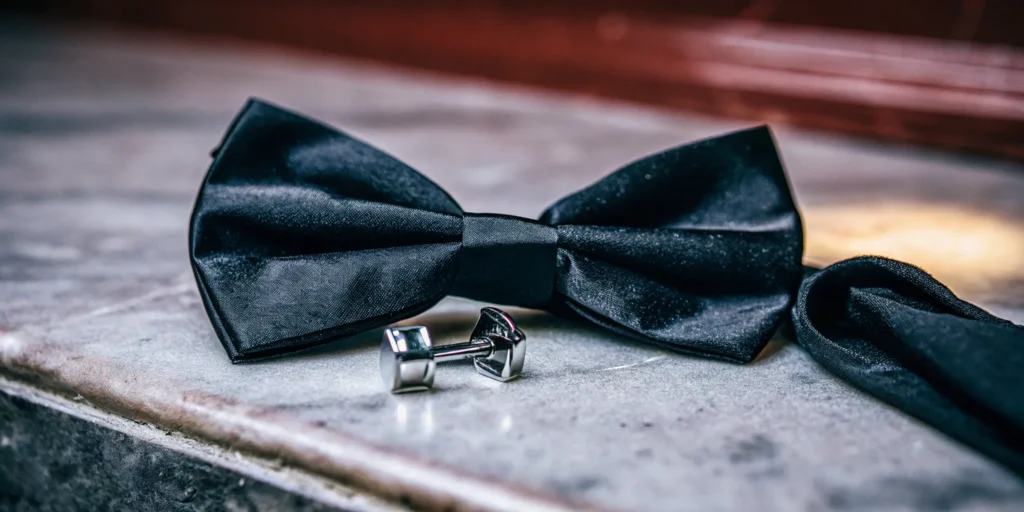
Accessories are what pull the entire look together, so it’s important to choose them carefully. A self-tie black bow tie is essential; clip-ons or pre-tied versions just don’t have the same character. Make sure the fabric of your bow tie matches the facing on your jacket’s lapels. Your shirt should be a crisp white dress shirt, ideally with a pleated or piqué bib front and French cuffs, which allow you to wear cufflinks. Finish the look with a simple, neatly folded white pocket square (silk or linen), black dress socks, and a pair of highly polished black patent leather dress shoes.
Common Style Mistakes to Sidestep
Navigating a formal dress code is often about knowing what not to wear. The most common mistake is trying to pass off a standard black suit as a tuxedo—the satin details on a tux make all the difference. Also, be sure to avoid wearing a regular necktie; a bow tie is the only correct choice for this dress code. Other things to leave at home include casual shoes like loafers or trainers, colored or patterned shirts, and novelty cufflinks or socks. The essence of black tie is classic elegance, so keeping your choices simple and refined is the surest way to nail the look.
Black Tie for Women: Nailing the Look
For women, the black-tie dress code offers a wonderful opportunity to embrace full-on glamour. While it sounds strict, it’s really about celebrating the occasion with elegance and sophistication. Think of it less as a rigid set of rules and more as a guide to help you look and feel your absolute best. The goal is to choose an outfit that is formal, graceful, and lets your personal style shine through. With a few key principles in mind, you can put together a stunning look for any gala or charity event.
Guidelines for Choosing an Evening Gown
The foundation of a women’s black-tie look is almost always a long evening gown. This is your moment for luxurious fabrics that feel special. Opt for materials like rich velvet, flowing chiffon, classic silk, or intricate lace to create an elegant silhouette. While a black dress is a timeless and perfectly acceptable choice, don’t be afraid of color. Deep jewel tones like emerald, sapphire, or ruby are fantastic options, as are sophisticated metallics. The most important thing is to select a gown that you feel confident and comfortable in, allowing you to enjoy the event without a second thought about your attire.
Considering Dress Length and Style
When it comes to dress length, floor-length is the gold standard for black-tie affairs. A gown that skims the floor or ankles ensures you meet the level of formality required. While some modern black-tie events might allow for a chic, tea-length dress or an exceptionally formal cocktail dress, it’s always safer to assume a long gown is expected unless the invitation specifies otherwise. In terms of style, aim for sophistication. A dress that is overly short or revealing generally isn’t appropriate for a formal black-tie event. The focus should be on classic elegance, whether that means a simple, streamlined column dress or a more dramatic ball gown.
Selecting the Right Jewelry and Accessories
Accessories are where you can truly personalize your black-tie ensemble. This is the perfect time to bring out your best pieces. If you’re wearing a simple gown, you can make a statement with a sparkling necklace or bold earrings. If your dress is already ornate, a more delicate piece of jewelry might be a better fit. According to Vogue’s guide, you can add sparkly brooches to make your look stand out. An elegant evening clutch is a must-have for carrying your essentials, and a pair of heels or formal flats completes the outfit. Choose accessories that complement your dress without competing with it, creating a cohesive and polished final look.
When Are Black Tie Events Typically Held?
While the invitation is always your ultimate guide, understanding the general timing and types of occasions that call for black tie will help you anticipate the dress code. This level of formality is reserved for special, significant events, which are almost always held in the evening. The atmosphere of a nighttime celebration perfectly complements the elegance of a tuxedo and an evening gown. Let’s look at the specific timing and the kinds of events where you can expect to see this dress code in action.
The Traditional Time of Day
The most important rule of thumb for black tie is that it’s strictly for evening events. Traditionally, the dress code applies to functions that begin after 6 p.m. This guideline separates formal evening wear from daytime attire, like a morning suit or a cocktail dress. While modern events sometimes play with the rules, this is one tradition that holds strong. An afternoon wedding, for example, wouldn’t typically call for black tie. The formality and glamour associated with tuxedos and floor-length gowns are best suited for the ambiance of an event held after sunset. This long-standing etiquette standard helps maintain the special and distinguished feel of a black tie affair.
Types of Events That Call for Black Tie
You’ll encounter the black tie dress code at celebratory and significant occasions. Think of grand events like charity galas, awards ceremonies, milestone birthday parties, and formal holiday celebrations. It’s also common for opening nights at the opera or ballet, and sometimes for formal dinners on a cruise. While increasingly popular for weddings, it’s best reserved for evening ceremonies and receptions to align with tradition. For businesses, a black tie dress code can set a sophisticated tone for annual dinners or major corporate events. The goal is always to mark the occasion as something truly special and out of the ordinary.
What Are the Rules of Black Tie Etiquette?
A black tie event is more than just an opportunity to wear a beautiful gown or a sharp tuxedo; it’s an experience steeped in tradition and respect. The etiquette that accompanies this dress code is just as important as the attire itself. From the moment you receive the invitation, your actions contribute to the sophisticated atmosphere the host is trying to create. Understanding these social guidelines ensures you feel confident and poised throughout the evening, allowing you to focus on enjoying the occasion and connecting with fellow guests. Think of it as the final, essential accessory to your outfit.
Responding to the Invitation
The first rule of black tie etiquette begins with the invitation. When you receive one, it’s essential to RSVP promptly. Your host is finalizing crucial details, from catering headcounts to seating arrangements, and a timely response is a sign of respect for their planning efforts. Check the invitation carefully to see if you’ve been given a plus-one before you assume you can bring a guest. A clear and quick “yes” or “no” is always appreciated and helps the event run smoothly for everyone involved. It’s a small gesture that makes a big difference to the person or organization hosting the event.
Social Graces and Expectations
Once you arrive, your conduct should match the elegance of your attire. The formality of a black tie event isn’t just about what you wear; it’s about the attitude and behavior you bring. The core principles are simple: be kind, eat and drink sensibly, and treat everyone with respect. This is your cue to put your phone away and engage in conversation with those around you. Mingle, introduce yourself to new people, and be a gracious guest. These events are fantastic opportunities for networking and socializing, and your positive demeanor contributes to the overall success of the function, whether it’s a charity gala or one of many private events on the social calendar.
Punctuality and When to Arrive
Timing is everything. Black tie events traditionally begin after 6 p.m., and arriving on time is crucial. This isn’t the occasion to be “fashionably late,” as it can disrupt the flow of the evening, especially if there are scheduled presentations or a seated dinner. Arriving too early can also be awkward for your hosts, who may be handling last-minute preparations. A good rule of thumb is to arrive within 15 minutes of the start time listed on the invitation. Punctuality shows respect for the host’s schedule and for the other guests, setting a considerate tone for your participation in the evening.
How to Prepare for Your First Black Tie Gala
Receiving an invitation to your first black tie gala is thrilling. It’s a chance to get dressed up and experience an evening of elegance. But that excitement can quickly be followed by a wave of questions: What do I wear? How do I act? Don’t worry—a little preparation is all you need to walk into the event feeling poised and confident. Attending a beautifully orchestrated gala is a memorable experience, and getting ready is part of the fun. We’ve planned countless private events and have seen firsthand how the best-dressed guests are always the ones who planned ahead.
The key is to break down your preparation into manageable steps. Think of it in three main parts: creating a timeline for your outfit, planning your grooming and styling, and ensuring a perfect fit. By giving yourself enough time for each stage, you can avoid last-minute stress and focus on enjoying the evening. A black tie event is an occasion to celebrate, and feeling good in what you’re wearing is the first step. This guide will walk you through everything you need to know to prepare, so you can spend less time worrying and more time mingling, dining, and soaking in the atmosphere of a truly special night.
Your Outfit Planning Timeline
Procrastination is not your friend when it comes to formalwear. To avoid any frantic, last-minute shopping trips, give yourself at least four to six weeks to get your outfit sorted. Start by browsing online for inspiration and deciding whether you want to buy, rent, or re-wear something. Once you’ve found the perfect tuxedo or gown, schedule a fitting with a tailor. Remember that a black tie dress code is traditionally for events held after 6 p.m., so think about evening-appropriate fabrics and silhouettes. A solid timeline ensures you have plenty of breathing room for shipping, alterations, and finding the right accessories without the stress.
Essential Grooming and Styling Tips
Your outfit is the main event, but grooming and styling are the supporting acts that complete the look. Plan your hair and makeup in advance, whether you’re booking appointments or doing it yourself. A polished, elegant style is always a safe bet. When it comes to accessories, the golden rule is to keep them classic and understated. A simple clutch, elegant jewelry, or a timeless watch is all you need. True sophistication, however, goes beyond your appearance. As the experts at the Emily Post Institute suggest, it’s important to treat these events with respect. Carry yourself with grace, be kind to everyone you meet, and you’ll exude confidence from the inside out.
The Importance of a Perfect Fit
Nothing ruins a beautiful outfit faster than a poor fit. Whether you’re in a tuxedo or a gown, tailoring is non-negotiable. For men, the tuxedo is the cornerstone of the look, and it must fit impeccably through the shoulders, chest, and waist. For women, a gown should be hemmed to the correct length for your shoes and tailored to flatter your shape. Investing in professional alterations shows respect for the formality of the occasion and ensures you look your absolute best. A well-fitting outfit not only looks better but also feels more comfortable, allowing you to move with ease and confidence throughout the entire evening.
What to Avoid at a Black Tie Function
Attending a black tie event is an exciting opportunity to get dressed up and enjoy a special evening. While knowing the dress code is half the battle, understanding what not to do is just as crucial for making a graceful impression. From your outfit to your arrival time, a few common missteps can detract from the elegant atmosphere. Steering clear of these simple mistakes ensures you’ll feel confident and comfortable, allowing you to focus on enjoying the event and connecting with others. As event planners, we’ve seen it all, and a little preparation goes a long way in making sure your night is memorable for all the right reasons.
Fashion Choices That Miss the Mark
The most common mistake is dressing too casually. Black tie is a signal for high formality, so leave the sundresses, business suits, and casual slacks at home. For women, it’s best to avoid cocktail dresses, which are a step down in formality. Instead, opt for a floor-length evening gown. While personal style is important, a black tie event calls for modesty and sophistication, so it’s wise to steer clear of anything overly revealing or short. The goal is to look timeless and elegant, respecting the host and the occasion. These fashion faux pas are easy to avoid with a little planning.
Etiquette Blunders to Steer Clear Of
Your conduct is just as important as your attire. A black tie event is defined by its sense of decorum and respect. This means being a gracious and engaged guest. Avoid monopolizing conversations, overindulging at the bar, or being glued to your phone all night. The core of good etiquette is treating everyone—from the hosts to the waitstaff—with kindness and consideration. Remember to mingle, make polite conversation, and be present in the moment. Upholding these simple etiquette essentials ensures a pleasant experience for you and everyone around you.
Timing Your Arrival and Departure
Punctuality is key at a formal event. Black tie functions traditionally take place in the evening, usually after 6 p.m., which sets a distinctly formal tone. Arriving too early can put your hosts in an awkward position as they handle final preparations. On the other hand, being “fashionably late” can be seen as disrespectful, especially if there’s a seated dinner or a planned program. Aim to arrive within 15 minutes of the start time on the invitation. When it’s time to leave, be mindful of the event’s flow. A quiet exit after the main activities have concluded is always a graceful way to end the evening.
How Black Tie Compares to Other Dress Codes
Understanding the nuances between formal dress codes can feel like learning a new language. An invitation that says “black tie” means something very different from one that requests “cocktail attire.” Knowing the key distinctions will help you show up looking appropriate, confident, and ready to enjoy the event. It’s all about matching the host’s expectations and honoring the occasion. Let’s break down how
Black Tie vs. White Tie
Think of white tie as the most formal dress code that exists—a step above even the most classic black tie event. While black tie calls for a tuxedo, white tie requires men to wear a black tailcoat with matching trousers, a white piqué waistcoat, and a white bow tie. For women, it means a full-length ball gown, often accompanied by long white gloves. You’ll typically only encounter this dress code at incredibly prestigious events like state dinners, royal ceremonies, or very traditional balls. If you receive a white tie invitation, you’re heading to an exceptionally grand affair.
Black Tie vs. Cocktail Attire
Cocktail attire is a more common and flexible dress code you’ll see for parties, weddings, and upscale social gatherings. It sits comfortably between semi-formal and black tie. The main difference is the level of formality. For men, a dark suit and tie replace the tuxedo. For women, the options open up considerably, allowing for shorter, chic dresses (like a classic LBD) or elegant separates. While you still want to look polished, cocktail attire doesn’t require the floor-length gowns and tuxedos that are the hallmarks of black-tie attire. It’s sophisticated without being quite as stringent.
Black Tie vs. Semi-Formal
Semi-formal is another step down from black tie and can be one of the trickiest dress codes to get right. For a semi-formal event, men can comfortably wear a dark suit and tie, while women typically opt for a cocktail dress, a dressy skirt and top, or an elegant pantsuit. The main distinction is that a tuxedo is not required. While black tie is reserved for evening events, semi-formal attire can be appropriate for functions held during the day or in the evening. Understanding these etiquette essentials ensures you respect the event’s tone without feeling over- or underdressed.
Planning Your Own Black Tie Affair
Hosting a black tie event is a wonderful way to create a memorable, elegant evening. But it’s about more than just telling your guests to wear a tux or a gown; you’re crafting an entire atmosphere of sophistication and celebration. From the moment the invitation arrives to the final farewell, every detail contributes to the experience. Getting these elements right is what separates a good party from an unforgettable gala. It all starts with a clear vision and thoughtful planning, ensuring every guest feels like a VIP.
Setting the Tone for Your Guests
Your invitation is the first impression of your event, and it does the heavy lifting of setting expectations. Clearly state “Black Tie” on the invitation so guests know exactly what to prepare for. The language, paper quality, and design should all feel cohesive and reflect the formal nature of the evening. This isn’t just about rules; it’s about showing respect for your guests by giving them the information they need to feel comfortable and confident. The right event marketing and communication strategy helps build anticipation and ensures everyone arrives ready to enjoy a truly special occasion.
Key Venue and Timing Decisions
The “where” and “when” are foundational to your event’s success. Traditionally, black tie affairs begin after 6 p.m., lending an air of evening glamour to the proceedings. Your venue choice should match this elevated tone. Think grand ballrooms, historic city landmarks, or chic art galleries—spaces that inherently feel special. The location you choose is the canvas for your entire event. It influences everything from decor to catering, so selecting a venue that aligns with your vision is one of the most important decisions you’ll make. The right space truly makes all the difference in creating an immersive and impressive experience for your private events.
Related Articles
Frequently Asked Questions
Can I just wear a nice black suit instead of a tuxedo? While it might seem like a small difference, a black suit and a tuxedo are not interchangeable for a black tie event. The key distinction is the satin. A tuxedo has satin on the lapels, buttons, and a stripe down the side of the trousers, which gives it that formal, evening-specific look. A standard suit lacks these details and will look out of place. Sticking with a true tuxedo shows respect for the host and the formality of the occasion.
Do I absolutely have to wear a floor-length gown? For a true black tie event, a floor-length gown is the gold standard and the safest choice to ensure you’re appropriately dressed. It’s the most direct way to meet the level of formality required. While some modern events might allow for an exceptionally elegant tea-length or cocktail dress, you risk feeling underdressed. When in doubt, always choose the long gown to feel confident and perfectly suited for the evening.
What’s the difference between “black tie” and “black tie optional”? “Black tie optional” offers a bit more flexibility for guests. It signals that the host wants a formal atmosphere, but they understand that not everyone owns a tuxedo. For men, this means a tuxedo is preferred, but a dark, well-tailored suit with a conservative tie is an acceptable alternative. For women, it means a floor-length gown or a very dressy cocktail dress would be appropriate.
My invitation didn’t say I could bring a guest. Is it okay to bring a date anyway? It’s essential to stick to the names listed on the invitation. If it was addressed only to you, then the invitation is just for you. Hosts plan their events meticulously, with budgets and seating charts based on a specific number of guests. Bringing an uninvited person can create an awkward situation for everyone. If you’re unsure, it’s better to attend solo than to make an assumption.
Should I rent or buy my black tie outfit? This really comes down to how often you expect to attend formal events. If this is a rare occasion for you, renting is a fantastic and cost-effective option that gives you access to high-quality, perfectly fitting attire without the major investment. However, if your professional or social life involves several formal galas a year, purchasing a classic, timeless tuxedo or gown can be a smart investment that will serve you well for years to come.
