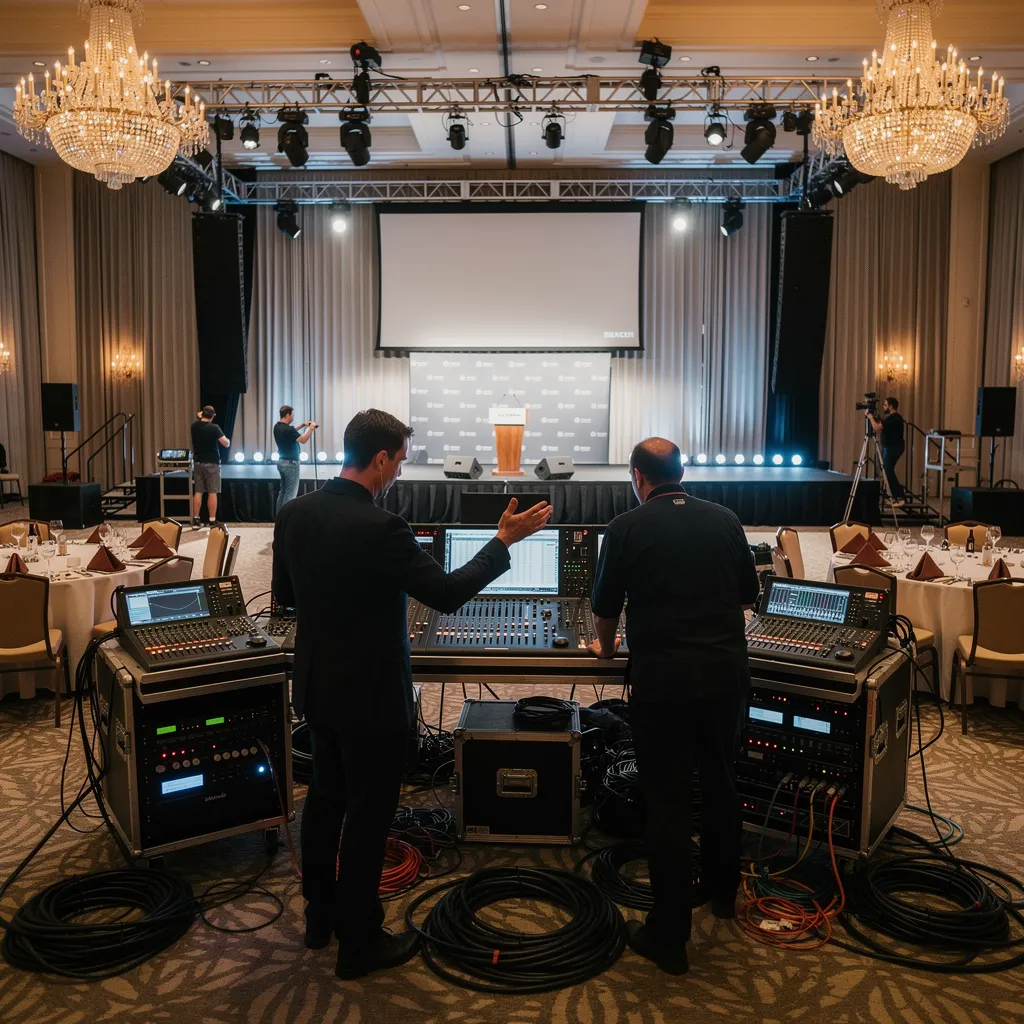

When it comes to How Do You Handle Last-Minute Changes or Emergencies During an Event?, corporate event planners handle last-minute changes through calm, structured decision-making rather than panic. EMRG Media, a full-service Manhattan firm, no subcontracts, resolves disruptions like speaker cancellations or vendor gaps on-site, drawing on experience producing over 1,100 events for clients including Google and Bloomberg.
Why do last-minute changes threaten corporate events?
High-stakes corporate events demand meticulous planning and execution, making last-minute changes particularly disruptive. EMRG Media, a full-service event planning company based in Manhattan since 2001, specializes in producing these complex occasions for Fortune 500 clients. When a speaker cancels, weather shifts, or a vendor drops out, the carefully constructed timeline fractures. The result is not just inconvenience — it is a direct threat to brand reputation and client satisfaction.
Short lead times compound this vulnerability. Over half of all webinar registrations now occur less than seven days before the event, according to industry data. This compressed window leaves little room for error. A single misstep during the final week can unravel months of preparation.
What specific issues cause the most damage?
Vendor-related problems rank among the most dangerous threats. A caterer who cannot deliver, an AV technician who falls ill, or a decorator who misreads the floor plan. Each has the potential to wreak havoc on a well-planned event. Proactive planners build strong networks and backup contracts to mitigate these risks before they escalate.
Why does the timeline matter so much?
The final days before an event operate like a chain of dominoes. One delayed delivery forces a cascade of rescheduling. Setup crews lose time. Rehearsals get compressed. Guests arrive to a space that still looks incomplete. Without a buffer built into the schedule, even minor hiccups become visible failures. Experienced planners protect against this by designing flexible timelines that absorb unexpected shocks without derailing the guest experience.
How do you handle last-minute changes or emergencies during an event?
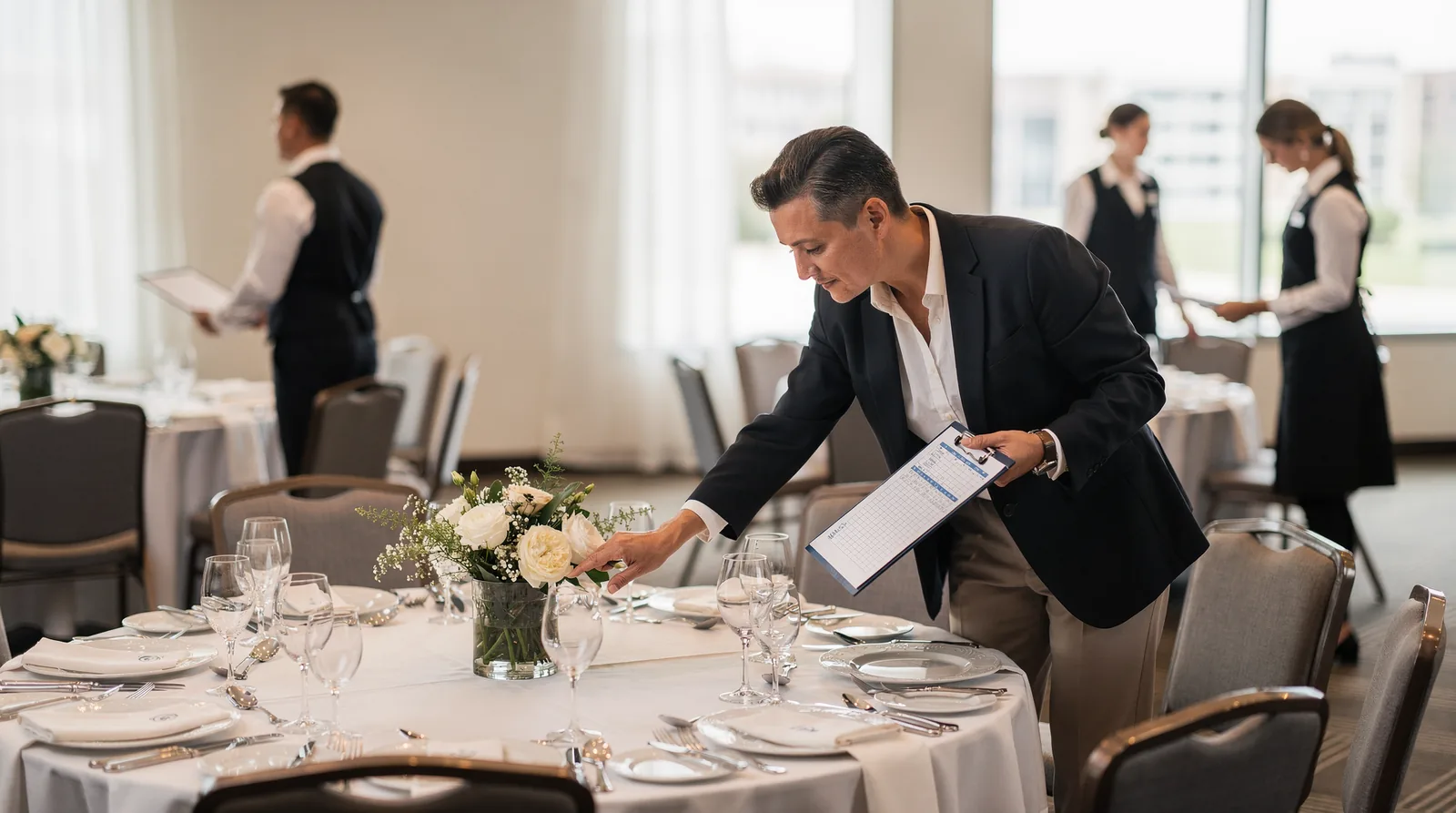
EMRG Media’s 20-person in-house team covering planning, production, design, and AV responds to crises without subcontract delays. This integrated structure eliminates the handoff friction that costs precious minutes when a keynote speaker cancels or a venue power outage strikes. Staying calm and focusing on solutions rather than the problem itself is the first step in managing any crisis. A panic-driven reaction wastes time; a solution-oriented mindset preserves it.
What communication protocols keep stakeholders reassured?
Clear communication keeps stakeholders informed and reassured during unexpected changes. EMRG Media designates a single point of contact for the client, the venue, and each vendor. This prevents conflicting messages and ensures that every decision reaches the right person within minutes, not hours.
How does team training prepare for emergencies?
Training the team for quick, decisive action is essential for managing emergencies effectively. EMRG Media runs scenario drills before every high-stakes event, covering common failures:
- Speaker cancellations — backup talent on standby
- AV equipment failure — redundant systems pre-tested
- Weather disruptions — indoor contingency routes mapped
Each team member knows their role in a crisis before the first guest arrives. This preparation turns potential disasters into controlled pivots. The result: events proceed with minimal disruption, and clients see a team that handles the unexpected as smoothly as the planned.
What agile frameworks help manage tight deadlines?

Agile event management replaces traditional waterfall planning with sprint-based cycles of one to two weeks, each focused on specific deliverables. This framework breaks a compressed timeline into manageable chunks rather than attempting to sequence every task linearly. For planners facing a four-week deadline on a corporate product launch or gala, this approach prevents the paralysis that comes from trying to map an entire event timeline at once.
How do daily stand-ups keep a team aligned?
Daily 15-minute stand-ups serve as the coordination engine within an agile framework. Team members answer three questions: what they accomplished, what they are working on today, and what obstacles are blocking progress. This rapid check-in keeps everyone accountable without requiring lengthy status meetings. EMRG Media’s 20-person in-house team relies on this structure to coordinate across planning, production, design, and AV without the delays of external vendor communication.
What role does flexible planning play in agile frameworks?
Flexible planning means preparing backup plans for key event elements before a crisis hits. Agile teams identify the most vulnerable components — a keynote speaker, a venue, a catering partner — and pre-authorize alternatives. When a speaker cancels or weather shifts, the team pivots to the backup without a full re-planning cycle. This preparation turns a potential derailment into a minor adjustment, keeping the event on schedule and within budget.
How can a strong vendor network prevent crises?
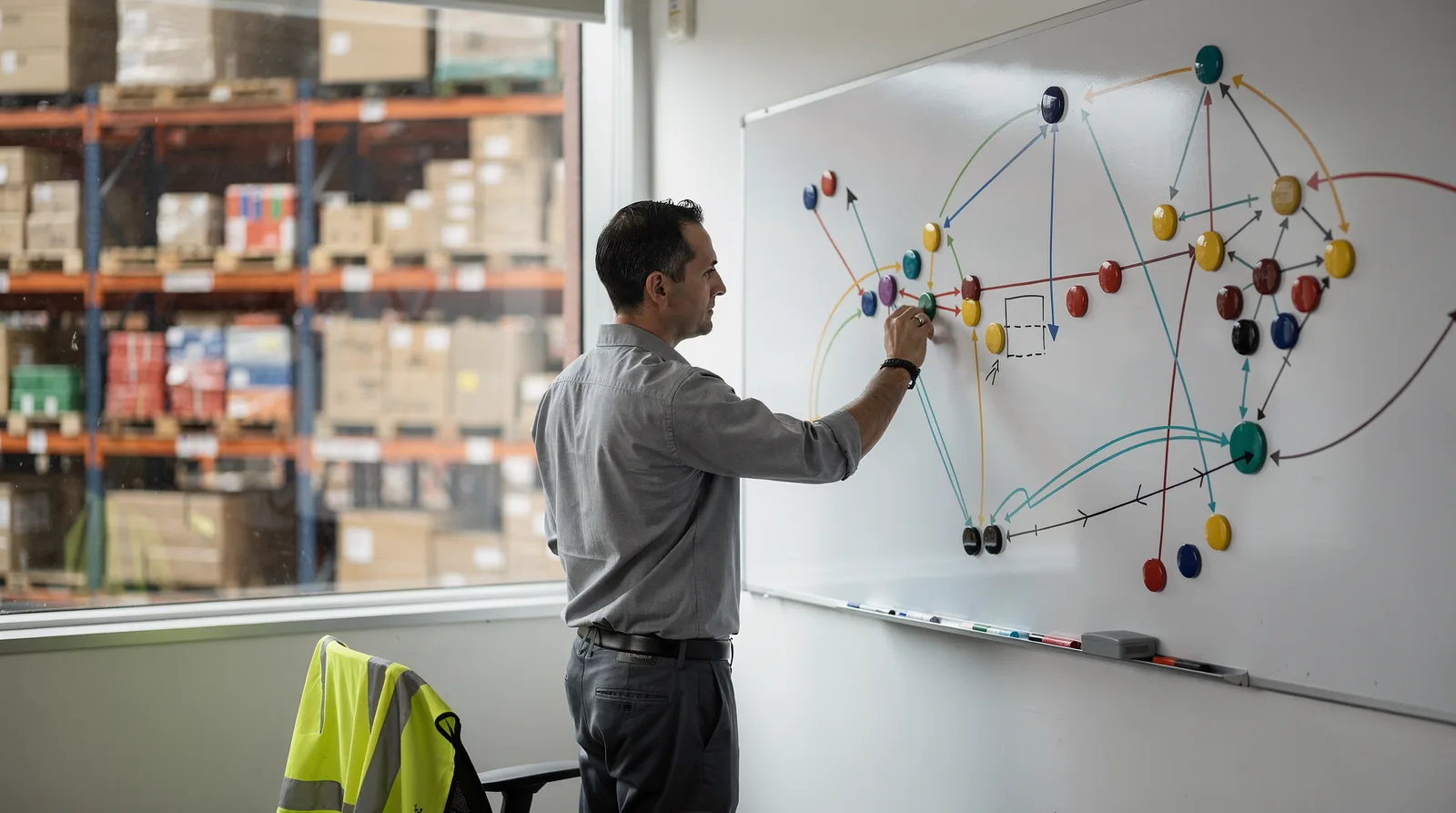
A robust vendor network acts as a safety net when suppliers cancel or fail to deliver at the last minute. Vendor-related issues have the potential to wreak havoc on a well-planned event. A pre-vetted roster of reliable partners allows planners to replace a missing supplier within hours instead of days. EMRG Media operates with an end-to-end model that eliminates subcontracts, meaning one in-house team handles every detail from venue sourcing to on-site execution. This structure removes the risk of a third-party vendor dropping out unexpectedly.
What tools help secure backup vendors quickly?
Event management software and personal connections enable planners to secure an accessible venue or replacement supplier in real time. Technology tools provide instant updates on availability, pricing, and logistics, turning a potential crisis into a seamless substitution. A planner who maintains a curated list of trusted contacts can make a single phone call to resolve a catering cancellation or AV failure.
How does an integrated team reduce vendor risk?
An integrated team that manages planning, production, design, and AV under one roof eliminates the communication gaps that cause vendor failures. When one team owns every element, there are no handoffs between separate contractors. This approach reduces the likelihood of last-minute changes because every stakeholder shares the same timeline and priorities. For high-stakes events in New York City, this unified structure prevents the domino effect of a single vendor collapse.
What continuous improvement practices reduce future risks?
Continuous improvement practices transform each event into a learning opportunity that strengthens future planning. EMRG Media has produced more than 1100 events over 25 years, building an extensive knowledge base for handling unexpected changes. This accumulated experience allows the team to identify patterns, refine protocols, and reduce the likelihood of last-minute surprises at every subsequent event.
How does post-event analysis prevent future emergencies?
Post-event analysis captures what went wrong and what went right during a live event. Teams review every change request, vendor delay, and logistical hiccup to determine root causes. These findings feed directly into updated contingency plans and vendor vetting criteria. Without this structured review, the same emergency repeats at the next event.
What role does objective prioritization play in risk reduction?
Prioritizing key event objectives keeps teams focused and efficient during last-minute planning. When a crisis emerges, knowing which elements are non-negotiable versus flexible speeds decision-making. EMRG Media’s transparent pricing and repeat client relationships allow for faster decision-making when changes occur, because established trust eliminates lengthy approval cycles. The result is a shorter path from problem to solution.
Key continuous improvement practices that reduce future risks:
- Post-event debriefs that document every change and its resolution
- Updated contingency playbooks revised after each event based on real incidents
- Vendor performance reviews that flag unreliable partners before the next booking
- Client feedback loops that capture stakeholder priorities for future planning
Learning from each event enhances future planning and reduces the likelihood of last-minute surprises. The firms that invest in this cycle of review and refinement consistently deliver smoother events, even under tight timelines.
FAQ
What is the first step in managing an event emergency?
EMRG Media stays calm and focuses on solutions rather than the problem itself. This solution-oriented mindset preserves critical time, unlike a panic-driven reaction that wastes it during high-stakes corporate events.
Who handles communication during a last-minute crisis?
EMRG Media designates a single point of contact for the client, venue, and each vendor. This structure prevents conflicting messages and ensures decisions reach the right person within minutes.
How does EMRG Media prepare its team for emergencies before an event?
EMRG Media runs scenario drills covering speaker cancellations, AV equipment failure, and weather disruptions. Each team member learns their specific role in a crisis, enabling quick, decisive action on-site.
Conclusion
In closing, managing last-minute changes at high-stakes corporate events demands more than quick thinking—it requires an integrated team with deep expertise and established vendor relationships. EMRG Media’s approach to seamless event execution, built on over two decades of experience and an in-house team handling every detail, transforms potential crises into opportunities to demonstrate excellence. When your event’s success depends on flawless adaptation, partnering with seasoned professionals who’ve navigated thousands of scenarios ensures your corporate gathering remains extraordinary, regardless of what unfolds.