

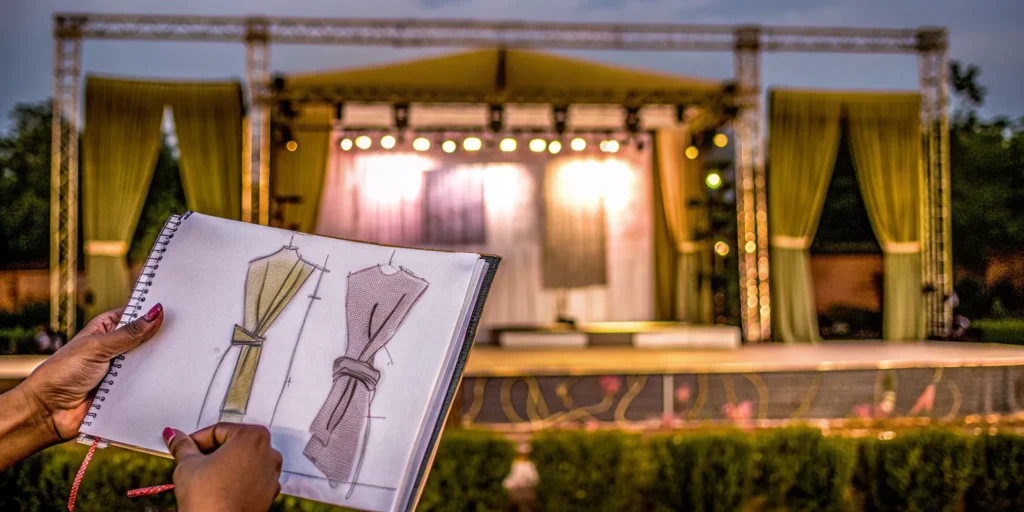

Every event, from a corporate conference to a charity gala, has a story to tell. Before a single word is spoken, your stage begins that narrative. It’s your most powerful storytelling tool, using color, shape, light, and texture to communicate a feeling and a message. A sleek, tech-forward setup can speak to innovation, while a warm, elegant design can convey a sense of community and prestige. Great stage design is the art of translating your core purpose into a physical world that captivates your audience, making your message not just heard, but felt. This guide will walk you through how to build that world.
Key Takeaways
- Your Stage is Your Strongest Storytelling Tool: Go beyond simple decoration and use every design element to intentionally shape the audience’s experience, reinforce your key message, and set the right tone for your event.
- A Flawless Design Requires a Structured Process: Transform your creative vision into a functional reality by following a clear path from research and sketching to collaborating with your entire production team, ensuring everyone is aligned on the final goal.
- Balance Creative Vision with Practical Constraints: The most successful designs work in harmony with your venue, budget, and safety requirements. Use these limitations not as roadblocks, but as creative challenges to find innovative and effective solutions.
What Is Stage Design and Why Does It Matter?
Think of stage design as the visual heartbeat of your event. Also known as scenic design, it’s the art of creating the physical environment where your presentation, performance, or celebration unfolds. It’s so much more than just a backdrop; it’s about building a world that captures your audience from the moment they walk in. A great stage design sets the mood, reinforces your message, and makes your entire event feel cohesive and professional.
Modern scenic design is a collaborative art. Designers are key creative partners who work with event planners to shape the entire feel of a production. Whether you’re planning a high-energy product launch, an elegant charity gala, or an immersive corporate conference, the stage is the focal point. It’s where your speakers will stand, where your awards will be presented, and where the most memorable moments will happen. A thoughtful design ensures that this central space not only looks incredible but also functions perfectly for your needs, guiding your audience’s attention and making your key messages stick. It’s the difference between an event that people attend and an experience they remember.
Tell a Story with Your Stage
Your stage is your most powerful storytelling tool. Every element—from the colors and textures to the shapes and structures—should work together to communicate a clear narrative. Before a single word is spoken, the stage design gives your audience clues about what to expect. Is your brand innovative and forward-thinking? A sleek, minimalist design with integrated tech might tell that story. Are you celebrating a major milestone for a non-profit? A warm, inviting design can convey a sense of community and impact. We work closely with our clients to understand their core message and translate it into a visual world that enhances their story and deeply engages attendees.
Create an Unforgettable Audience Experience
A truly impactful stage design is essential for creating a memorable experience that resonates with your guests long after they leave. The goal is to craft an atmosphere that feels both impressive and authentic to your event’s purpose. This is where you can really wow your attendees. We’ve seen a huge trend in incorporating video technology like massive LED walls and projection mapping, turning the stage itself into a dynamic, central part of the show. These elements don’t just look cool; they create an immersive environment that captivates the audience and makes your private events feel truly special and unforgettable.
The Core Elements of Stage Design
Think of stage design like creating a captivating world for your audience to step into. It’s not just about one single thing, but how several key pieces work together to build a cohesive and memorable atmosphere. When you get these core elements right, you create an environment that supports your message, engages your guests, and looks incredible in photos. Each component plays a distinct role, from the physical structure to the final decorative touches. Understanding these building blocks is the first step to transforming a simple platform into an immersive experience that tells your event’s story.
Sets and Structures
The sets and structures are the architectural bones of your stage. This includes everything from the main platform and risers to custom-built walls, arches, and staircases that create the physical environment. For a corporate conference, this might mean a sleek, multi-level stage for keynote speakers and panel discussions. For a gala, it could be an elaborate structure that frames the evening’s performers. Effective scenic design shapes the space, directs foot traffic, and establishes the overall scale and feel of your event, turning a blank venue into a purpose-built setting.
Props and Decor
If sets are the bones, props and decor are the personality. These are the carefully chosen objects that fill the space and bring your theme to life. Props are items that might be interacted with, like a custom lectern for a speaker or branded furniture for a stage-side lounge. Decor includes elements like floral arrangements, drapery, and thematic accents that add texture, color, and detail. These finishing touches are what make a stage feel complete and thoughtfully designed. They reinforce your brand identity and add visual interest that helps tell your story and make the environment feel rich and intentional.
Lighting
Lighting is one of the most powerful and transformative tools in your design kit. It does more than just help people see—it tells them how to feel. The right lighting design sets the mood, directs the audience’s focus, and can completely change the energy in the room. You can use colored uplighting to wash the stage in your brand’s palette, use spotlights to highlight a speaker, or program dynamic lighting sequences to build excitement for a big reveal. With modern event lighting technology, the possibilities for creating atmosphere and drama are virtually endless.
Backdrops and Scenery
The backdrop is the visual anchor for your entire stage, framing your speakers and performers. It can be as simple as a branded step-and-repeat or as complex as a massive, high-resolution LED video wall. Backdrops create a sense of depth and provide a clean, professional background that eliminates distractions. Modern digital backdrops offer incredible flexibility, allowing you to display dynamic graphics, play videos, and instantly change the scenery to match different segments of your event. This element is crucial not only for the live audience but also for anyone watching via stream or seeing photos later.
Your Stage Design Process: From Concept to Reality
A breathtaking stage design doesn’t just happen by magic. It’s the result of a thoughtful and structured process that transforms a simple idea into a fully realized environment. This journey from concept to reality involves several key stages, each one building on the last to ensure the final result is cohesive, functional, and stunning. Whether you’re planning a large-scale corporate conference or an intimate gala, following a clear process is the secret to success. It ensures that every stakeholder is aligned, potential problems are solved early, and the creative vision is executed flawlessly. Think of it as a roadmap that guides you from a blank page to a standing ovation.
Step 1: Analyze the Script and Research Ideas
Every great design begins with a deep understanding of the story you want to tell. The first step is to immerse yourself in the event’s core material, whether it’s a script, a brand brief, or a client’s vision. What is the key message? What emotions do you want to evoke? This phase is all about research and discovery. Since a designer can’t just reuse an old plan for a new project, it’s crucial to be creative and open to collaboration. You’ll gather inspiration from art, architecture, and historical periods to build a rich visual library. This foundational work ensures your design is not only beautiful but also meaningful and perfectly aligned with the event’s goals.
Step 2: Sketch Your Initial Concepts
Once you have a solid foundation of research and ideas, it’s time to start visualizing. This is where you translate abstract concepts into tangible forms through sketches, mood boards, and preliminary digital renderings. Don’t worry about perfection at this stage; the goal is to explore different creative directions and get ideas out of your head and onto paper. As the key professionals crafting the perfect setting, set designers use this phase to experiment with shapes, colors, and layouts. These initial sketches serve as a vital communication tool, helping the client and the production team see the vision and provide early feedback before you move into more detailed planning.
Step 3: Build a Scale Model
With a promising concept chosen, the next step is to create a scale model. This can be a physical model made from foam core and cardboard or a detailed 3D digital rendering. A model is invaluable for understanding the spatial relationships within the design. It helps everyone visualize sightlines, traffic flow, and the overall composition in a way that 2D sketches can’t. This is also the point where you can see if the design is truly serving its purpose. A good designer knows when to step back and let the story unfold, and the model is the perfect tool to ensure the set supports the event rather than overpowering it. It’s the ultimate reality check before construction begins.
Step 4: Collaborate with the Production Team
Stage design is a team sport. This step is all about collaboration with the entire production crew, including the director, lighting designer, audio technicians, and, of course, the client. You’ll present your refined design and model to get feedback on technical feasibility, budget alignment, and creative direction. This is where you iron out the practical details. It’s essential to educate your clients, manage scope creep, and be solution-oriented to keep the project on track. Open communication and a collaborative spirit are key to integrating all the technical and artistic elements into one seamless experience. This ensures everyone is working toward the same goal.
Step 5: Oversee Construction and Installation
Finally, it’s time to bring your design to life. In this phase, you’ll oversee the construction of the set pieces, the painting of backdrops, and the final installation in the venue. Your role is to ensure the build stays true to the design plans and meets quality standards. This stage often requires quick thinking and on-the-spot problem-solving, especially when dealing with challenges like the mobility of stage elements or last-minute venue changes. You’ll work closely with the construction crew and technical teams to make sure every component is installed safely and correctly. Your job isn’t done until the lights come up and the stage is ready for action.
Popular Stage Design Styles to Consider
Once you have a solid grasp of your event’s goals, you can start exploring different design styles. The right aesthetic can transform your stage from a simple platform into a dynamic environment that captivates your audience. Think of these styles not as rigid rules, but as starting points for your own creativity. Whether you’re planning a high-energy product launch or an elegant charity gala, there’s a design approach that will perfectly match the mood and message you want to convey. Let’s look at a few popular styles that are making an impact at events today.
Minimalist and Abstract Designs
Sometimes, less truly is more. Minimalist stage designs use simplicity and functionality to create a powerful visual statement. By stripping away unnecessary clutter, this style puts the focus squarely on your speakers, performers, or key message. Think clean lines, a neutral color palette, and a few carefully chosen structural elements. According to BizBash, “This style allows the audience to focus on the performance itself rather than being distracted by elaborate sets.” It’s an excellent choice for corporate events, conferences, and panel discussions where clarity and professionalism are key. An abstract approach can add a layer of artistic flair without overwhelming the space, using unique shapes and lighting to create visual interest.
Immersive Tech and LED Displays
If you want to create a “wow” moment, integrating technology is the way to go. Immersive designs use video walls, projection mapping, and interactive elements to build a dynamic world around the presentation. These high-tech setups can transform a simple stage into a vibrant, ever-changing canvas. You can display branded content, transport your audience to another location, or create stunning visual backdrops that react to the performance. This approach is perfect for brand activations, awards shows, and any event where you want to make a bold, modern statement. As industry experts note, video technology like LED screens has become “integral to the storytelling process,” making the stage a central part of the narrative.
Sustainable and Eco-Friendly Setups
As more organizations prioritize social responsibility, sustainable design has become a significant trend. An eco-friendly stage demonstrates a commitment to the environment and can resonate deeply with a conscious audience. This style focuses on using recycled or reusable materials, energy-efficient LED lighting, and locally sourced decor. Instead of single-use printed banners, you might use digital screens or living walls of plants. There are countless ways to practice sustainable event planning without sacrificing style, from using biodegradable confetti to incorporating solar-powered lighting systems. This approach is ideal for non-profit galas, community festivals, and corporate events that want to highlight their green initiatives.
Designs for Hybrid Events
With the rise of virtual attendance, stage design now has to serve two audiences: those in the room and those watching on screen. Designing for hybrid functions requires a thoughtful approach that looks great both in person and on camera. This means paying close attention to camera angles, ensuring lighting is optimized for video, and creating a backdrop that is visually engaging without being distracting. The goal is to “seamlessly integrate both in-person and virtual elements, ensuring that all attendees have an engaging experience regardless of their location,” as noted by MIG. This might involve using strategically placed screens to show virtual attendees or creating interactive elements that both audiences can participate in.
How to Choose the Right Stage Design
With a solid understanding of the core elements and your creative process, it’s time to make some decisions. Choosing the right stage design isn’t about picking the flashiest option; it’s about finding the perfect fit for your specific event. The best designs are born from a thoughtful balance of the venue’s characteristics, the audience’s expectations, and the project’s budget. Let’s break down how to approach these three key factors to ensure your stage design is a resounding success.
Match the Design to Your Venue
Before you fall in love with a grand concept, take a hard look at your event space. The venue itself is your canvas, and it comes with its own set of rules and opportunities. Consider the physical dimensions—ceiling height, stage width, and depth—as well as any permanent architectural features you need to work with or around. A design that looks stunning in a spacious ballroom might feel cramped and overwhelming in a more intimate setting. The goal is to create a design that complements the venue, not fights against it. Great event planners collaborate with decorators, lighting pros, and sound designers to find the perfect formula tailored to that specific event, ensuring every element feels intentional and cohesive within the space.
Consider Your Audience and Event Type
Who are you trying to reach, and what do you want them to feel? The stage design for a high-energy product launch will be vastly different from one for a formal charity gala or a corporate conference. Creating an impactful stage design is essential to setting the right tone and enhancing the overall experience for your attendees. Think about the message you want to send. Are you aiming for sleek and professional, whimsical and creative, or elegant and sophisticated? Your design choices—from color palettes to materials and technology—should all align with the event’s purpose and your audience’s expectations. This alignment is what transforms a simple platform into a powerful communication tool.
Work Within Your Budget
Let’s talk about the practical side: money. It’s easy to get carried away with amazing ideas, but a successful design is one that can actually be built within your budget. The good news is that a limited budget doesn’t mean you have to settle for a boring design. In fact, constraints can often spark incredible creativity. Many stunning designs use simple and common materials like fabric, foam, and clever lighting to create a high-impact look without a high price tag. Be upfront about your budget from the start. This allows your design team to focus on realistic solutions and find innovative ways to bring your vision to life. If you need help figuring out what’s possible, you can always learn more from professionals who can guide you.
Overcoming Common Stage Design Challenges
Even the most seasoned event planners run into a few bumps on the road from concept to reality. Stage design is a creative process, but it’s also a logistical puzzle with moving parts, from budgets to stakeholder opinions. Anticipating common challenges is the best way to keep your project on track and your vision intact. The key is to stay flexible, communicate clearly, and remember that every problem has a creative solution waiting to be found. With a solid plan, you can handle anything that comes your way and deliver a stunning final product that wows your audience.
Manage Your Budget and Timeline
A brilliant design idea is only as good as your ability to execute it. This is where your budget and timeline become your most important creative tools. While it’s tempting to go all-out to impress attendees, effective budget management is what separates a successful event from a stressful one. Start by creating a detailed, line-item budget for every element of your stage design, from raw materials to labor costs. Build in a contingency fund—around 10-15% of the total—for unexpected expenses. Similarly, work backward from your event date to create a realistic production schedule with clear milestones. This ensures you have enough time for design, fabrication, and installation without last-minute chaos.
Balance Creative Vision with Practical Limits
It’s easy to dream up a spectacular stage design, but you also have to consider the practical realities of your venue, materials, and technical capabilities. The real artistry lies in balancing your creative vision with these practical limits. A design that looks incredible on paper might not be structurally sound or feasible within the venue’s constraints. This is why collaboration is so important. Work closely with your production team, technical directors, and fabricators from the beginning. They can offer innovative solutions and alternative materials that honor your artistic intent while ensuring the final product is safe, functional, and achievable. Being open to their expertise often leads to an even better, more creative outcome.
Handle Scope Creep and Client Expectations
“Scope creep”—when the project’s requirements expand beyond what was originally agreed upon—is a common challenge. It often happens when client expectations aren’t clearly defined from the start. The best way to manage this is through proactive and transparent communication. Begin with a detailed brief and a signed contract that outlines every deliverable. Hold regular check-in meetings to share progress and address feedback. When new ideas or requests come up, discuss their impact on the budget and timeline immediately. By educating your clients on the design process and setting clear expectations, you can maintain control and ensure the project stays aligned with the original goals of your private events.
Ensure Your Design is Original and Culturally Aware
In a world full of inspiration, creating a truly original design can be tough. But more importantly, your design must be appropriate for the event’s theme and audience. A great stage design supports the story being told, it doesn’t overpower it. Take the time to research your audience and the cultural context of your event. What symbols, colors, or imagery will resonate with them? What might be misinterpreted or cause offense? Strive for a design that is not only unique but also culturally sensitive and relevant. This thoughtful approach ensures your stage enhances the narrative and creates a welcoming, inclusive atmosphere for every single guest.
How Stage Design Integrates with Production
A brilliant stage design never exists in a bubble. It’s a team sport, and its success hinges on seamless collaboration with every other part of the production. Think of the stage designer as the architect of a house; they create the blueprint, but they need electricians, plumbers, and interior decorators to bring the vision to life. When your design works in harmony with lighting, sound, costumes, and technology, you create a cohesive world that captivates your audience. This synergy is what separates a good event from an unforgettable one. True integration means every element on stage feels intentional and works together to tell the same story. This collaborative process starts from the very first concept meeting and continues through the final installation. Every decision, from the texture of a backdrop to the placement of a staircase, has a ripple effect on other departments. A successful stage designer is not just a great artist but also a great communicator, ensuring their vision aligns with the practical needs and creative goals of the entire production crew. This is where having an experienced event planning team becomes invaluable, as they act as the central hub connecting all these creative professionals.
Coordinate with Lighting and Sound
Your set is the canvas, but lighting and sound are the elements that truly paint the picture and set the mood. A stage designer must work hand-in-hand with lighting and audio professionals from the very beginning. The materials you choose for your set will look completely different under various lighting schemes. A glossy surface might create an unwanted glare, while a textured fabric could absorb light beautifully. It’s a conversation about where to place fixtures, how to create depth with shadows, and how to guide the audience’s focus. Similarly, the physical structure of your set directly impacts acoustics. You need to consider where speakers will be placed and whether your set pieces will help or hinder sound travel, ensuring every word and note is heard clearly.
Collaborate with Costume Designers
The people on stage—whether they are actors, speakers, or award recipients—are the most dynamic part of your visual design. Their costumes must feel like a natural extension of the world you’ve built. This collaboration is all about creating a unified aesthetic. The color palette of the costumes should complement the set, not clash with it or cause the performers to blend into the background. The style of the clothing should also match the set’s theme and era. Beyond aesthetics, there are practical considerations. A costume designer needs to know if a performer will be climbing stairs, sitting on specific furniture, or making quick entrances and exits so they can design outfits that are both beautiful and functional within the space.
Integrate Special Effects and Tech
Modern events often rely on technology and special effects to create those jaw-dropping moments. Integrating elements like LED video walls, projection mapping, fog machines, or pyrotechnics isn’t an afterthought—it must be part of the initial design concept. The stage designer needs to plan for the physical requirements of this tech. Where will projectors be hidden? How will a massive LED screen be supported and incorporated into the set? What safety measures are needed for pyrotechnics? By collaborating with tech specialists early on, you can weave these elements into the design seamlessly, making them feel like a magical part of the environment rather than a last-minute addition. Seeing this innovation firsthand at industry events like The Event Planner Expo can provide incredible inspiration.
Tools and Resources for Stage Designers
Even the most creative vision needs the right tools to become a reality. Whether you’re sketching initial ideas or looking for fresh inspiration, having a solid set of resources is key to your success as a stage designer. From digital software that brings your concepts to life to books and events that keep your skills sharp, these are the essentials that will support you at every step. Think of this as your professional toolkit—the resources you can turn to for everything from technical drafting to creative growth. Building this foundation will not only make your workflow smoother but also help you connect with a larger community of creative professionals.
Essential Design Software
To translate your ideas from paper to the stage, you need powerful design software. These digital tools are non-negotiable for creating precise drafts, 3D models, and clear visualizations that your entire production team can understand and execute. Programs like AutoCAD, SketchUp, and Vectorworks are industry standards for a reason. They allow you to map out every detail of a stage layout, experiment with different structures, and present a polished concept to clients and collaborators. Mastering this kind of eLearning software helps you work efficiently, catch potential issues before construction begins, and ensure your creative vision is perfectly realized.
Networking and Professional Development
Your growth as a designer isn’t just about what you can create; it’s also about who you know and what you’re learning from the industry. Building a strong professional network opens doors to new opportunities, collaborations, and fresh ideas. Attending industry events like The Event Planner Expo is a fantastic way to meet other creatives, vendors, and potential clients. For research and inspiration, digital archives are invaluable. The Performance Design Archive Online, for example, offers a deep dive into theater production design throughout history, giving you context and perspective for your own work. Continuously connecting with your community and its history will keep your designs relevant and innovative.
Top Books and Online Courses
Never stop learning. The world of stage design is always evolving, and dedicating time to education is an investment in your career. There are countless books and ebooks that offer comprehensive guides on everything from technical production to marketing your skills as a designer. Titles like Theatrical Design and Production can provide a solid foundation or a helpful refresher. Beyond books, online courses are perfect for learning practical skills on your own schedule. Whether you want to master a new software or explore sustainable design practices, you can find a course that fits your needs and helps you stay at the top of your game.
Stage Design Mistakes to Avoid
Creating a stunning stage is exciting, but a few common missteps can derail even the most brilliant concept. The goal is to build an environment that supports your event, not one that causes last-minute stress or distracts from your message. By sidestepping these frequent pitfalls, you can ensure your design process is smooth and the final result is both beautiful and effective. Whether you’re planning a corporate conference or a lavish gala, a thoughtful approach to design avoids unnecessary complications and keeps the focus where it belongs: on your content and your guests. Great stage design is a balancing act between artistry and engineering, and knowing what not to do is just as important as knowing what to do. It’s about understanding that every choice, from the color of the backdrop to the placement of a podium, influences the audience’s experience. A poorly planned stage can create logistical nightmares for your crew, safety hazards for your speakers, and a visual disconnect for your attendees. Think of this as your guide to building a stage that not only looks incredible but also functions flawlessly from the first sound check to the final curtain call.
Don’t Overcomplicate the Visuals
It’s easy to get carried away with ideas, but a cluttered stage can confuse the audience and pull focus from the main event. The best designs have a clear focal point and use elements purposefully. Think of your stage as a canvas where the speaker or performer is the masterpiece. Every backdrop, prop, and lighting choice should enhance them, not compete with them. A designer’s role is to support the story, not to make the set the star of the show. By embracing a “less is more” philosophy, you create a more powerful and memorable experience. A clean, intentional design always makes a stronger impact than one that feels busy and chaotic.
Prioritize Safety and Practicality
While creativity is key, safety and functionality are non-negotiable. Every element on stage, from the largest set piece to the smallest prop, must be secure. This means considering traffic flow for presenters and crew, ensuring structures can bear weight, and using fire-retardant materials. A beautiful design is useless if it’s a hazard or if it prevents performers from moving freely. Part of a designer’s job is knowing when to step back and let the practical needs guide the creative choices. A safe and functional stage is the invisible foundation that allows for a seamless and successful event production.
Communicate Clearly with Your Team
Stage design is a team sport. Your vision will only come to life through clear and constant communication with everyone involved, including lighting designers, audio technicians, and the client. It’s essential to set clear expectations from the very beginning and maintain an open dialogue throughout the process. Misunderstandings can lead to costly mistakes and delays. When everyone is aligned on the goals, budget, and timeline, it’s much easier to solve problems as they arise and ensure the final build perfectly matches the initial concept. A collaborative spirit is the secret ingredient to turning a great idea into a stunning reality.
Where to Find Stage Design Inspiration
Even the most creative minds need a spark to get started. When you’re staring at a blank page (or an empty stage), knowing where to look for fresh ideas can make all the difference. Inspiration isn’t just about finding something to copy; it’s about gathering concepts, seeing what’s possible, and finding a new angle for your own unique vision. The best designers pull from a wide range of sources, from historical architecture and fine art to the latest tech showcases and fashion shows.
Your goal is to build a mental library of colors, textures, shapes, and technologies that you can draw from for any project. Sometimes an idea will come from a classic design book, while other times it might be sparked by an innovative setup you see at a conference. By actively seeking out inspiration, you keep your work dynamic and relevant. The following resources are fantastic starting points for any event professional looking to create a memorable stage experience.
Design Publications and Books
There’s a unique depth you can get from books and established publications. They offer a chance to step away from the fast-paced digital world and absorb well-researched concepts and timeless principles. You can find everything from visual collections of historical set designs to practical guides on the industry. For instance, understanding the business of theatrical design is just as crucial as the creative work itself. Building a small library of key texts gives you a reliable source of knowledge and inspiration you can return to again and again.
Online Galleries and Platforms
When you need ideas quickly, the internet is an endless resource. Websites like Pinterest, Behance, and Instagram are filled with visual inspiration from designers all over the world. You can also look to high-profile events for trendsetting ideas; the Oscars’ stage design, for example, often showcases glamorous and culturally relevant concepts. Industry blogs and online magazines are perfect for keeping up with the latest trends, such as the growing integration of video screens and LED displays into modern stage setups. These platforms give you a real-time look at what’s current and what’s next.
Industry Events and Festivals
Nothing beats seeing stage design in person. Attending industry conferences, trade shows, and festivals allows you to experience creative concepts firsthand and see how they impact an audience. It’s the best way to spot emerging conference stage design trends, from immersive environments to sustainable materials. Events like our own The Event Planner Expo are fantastic opportunities to see what top professionals are doing and network with them directly. Seeing how design has transformed over time also provides a rich context that can fuel contemporary ideas.
Related Articles
- The Complete List of Event Management Services
- Event Production and Management: The Ultimate Guide
- How to Plan a Black Tie Gala: The Ultimate Guide
- Guide to Top Event Production Companies for Standout Events
Frequently Asked Questions
My budget is tight. Can I still have an impressive stage design? Absolutely. A stunning stage design is more about creativity than cost. Some of the most impactful designs rely on clever lighting, simple fabrics, and a single, well-executed focal point rather than expensive, custom-built structures. The key is to be strategic. We can focus your budget on the elements that will give you the most visual impact and find innovative ways to bring your vision to life without a huge price tag.
How do I know which design style is right for my event? The best style for your event is one that supports your core message and connects with your audience. Instead of focusing on trends, think about the feeling you want to create. Is your event a formal, elegant gala or a high-energy, modern product launch? Your answer will guide the design. A sleek, minimalist setup might be perfect for a corporate conference, while an immersive, tech-heavy design could be ideal for an awards show. We’ll work with you to translate your event’s purpose into a cohesive visual world.
How long does the stage design process typically take? The timeline can vary quite a bit depending on the complexity of your design and the scale of your event. A simple backdrop and lighting plan might come together in a few weeks, while a large, custom-built set with integrated technology will require a few months of planning, fabrication, and coordination. The best approach is to start the conversation as early as possible. This gives us plenty of time to explore ideas, refine the concept, and manage the production process without any last-minute rushes.
I have a vision for my event, but I’m not a designer. How involved can I be in the process? Your vision is the most important part of the process! We encourage you to be as involved as you’d like. Our job is to act as your creative partner, taking your ideas, goals, and inspiration and translating them into a functional and beautiful design. The process is a collaboration from start to finish, ensuring the final result not only looks amazing but also feels authentically yours.
What’s the biggest mistake people make when it comes to stage design? The most common mistake is forgetting that a stage has a job to do. It’s easy to get caught up in creating something that looks incredible but is ultimately impractical. A design fails if it obstructs audience sightlines, doesn’t give presenters enough space, or is a safety concern. The most successful designs are a perfect blend of form and function, creating a beautiful environment that also flawlessly supports the event’s content and speakers.
