

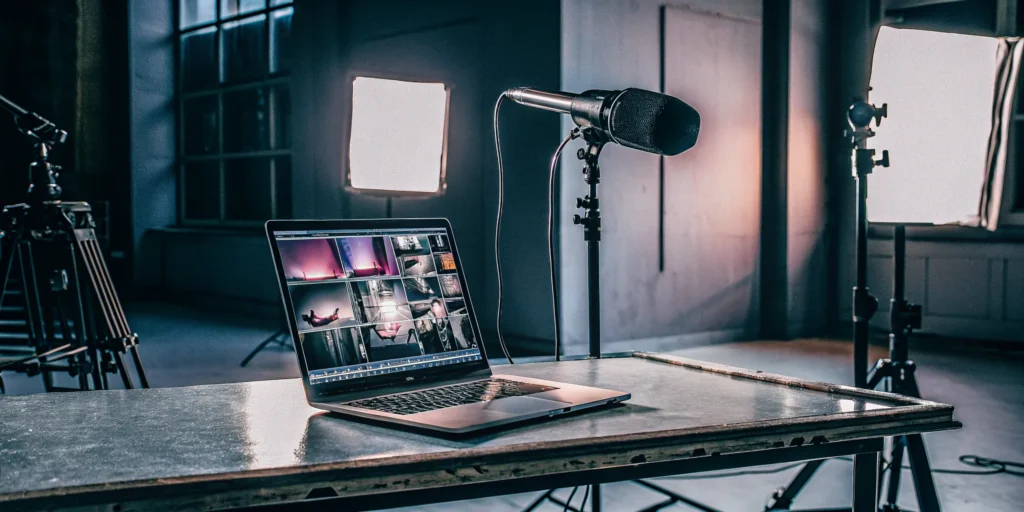

Think of your favorite live concert or theater show. You see the performers, but behind the curtain is a whole crew managing lights, sound, and scene changes to ensure a flawless performance. Virtual event production serves the exact same role for your digital events. It’s the technical and creative team working behind the scenes to manage every detail, from camera angles and speaker transitions to audience interaction tools. Their work ensures your event runs smoothly, looks professional, and keeps your audience engaged from the opening remarks to the final thank you. This guide will pull back the curtain to show you exactly what these teams do and how to find the right one for your needs.
Key Takeaways
- Production is a Full-Scale Operation: A professional virtual event is a complete broadcast, not just a live stream. A dedicated team manages every detail, from pre-event strategy and tech rehearsals to live execution and post-event data analysis, to create a seamless experience.
- Vet Your Production Partner Thoroughly: The right partner is crucial for success. Assess their technical expertise by reviewing past work, demand a transparent and itemized quote, and confirm their platform can be customized to support your specific engagement goals.
- Plan for a Digital-First Experience: Prevent common mistakes by planning specifically for a remote audience. This means conducting full technical rehearsals, designing content in short segments with frequent interaction, and budgeting for a high-quality broadcast.
What is Virtual Event Production?
Think of virtual event production as the entire behind-the-scenes operation for any online event. It’s the comprehensive process of planning, managing, and executing a digital gathering to create a polished and interactive experience for a remote audience. This goes way beyond just setting up a video call. It involves everything from initial strategy and platform selection to managing live streams, coordinating speakers, and engaging with attendees in real-time.
A great virtual event feels seamless, just like a well-run live conference or gala. The goal is to make the technology invisible so your message and content can shine. Whether you’re hosting a global conference, a company-wide town hall, or an intimate charity fundraiser, a dedicated production process ensures every element works together perfectly. It’s about transforming a simple broadcast into a memorable, professional, and engaging experience that achieves your business goals. At EMRG Media, we handle all the moving parts to bring your corporate events to life, whether they’re in-person, hybrid, or fully virtual.
Defining the Role of a Production Team
So, what does a production team actually do? Think of them as the directors and stage crew for your digital show. These are the technical experts who take your creative vision and translate it into a flawless technical plan. They manage the entire tech setup, from camera angles and audio quality to graphic overlays and smooth transitions between speakers. A production team, like the one at EMRG Media, handles all the complex technology so you can focus on your content and your audience. They ensure the event runs like a high-quality broadcast, tracking every detail to deliver a professional and engaging experience from start to finish.
Key Benefits for Your Business
Hosting a virtual event offers some incredible advantages for your business. The most significant benefit is accessibility. You can reach a much larger, global audience without anyone needing to worry about travel costs or logistics. This wider reach can be a game-changer for brand exposure and lead generation. Virtual events also provide a goldmine of marketing data. You can track attendee engagement, see which sessions were most popular, and gather valuable feedback through polls and Q&A sessions. This information is crucial for measuring your event’s success and refining your marketing strategy for the future.
When to Choose a Virtual Event Over In-Person
Deciding between a virtual and an in-person event depends entirely on your goals. Virtual events are an excellent choice when you want to reach a broad, geographically diverse audience, reduce costs associated with venue and travel, or need to pivot quickly. They are also a fantastic way to enhance your existing event strategy, not necessarily replace it. For many, a hybrid model offers the best of both worlds, combining a live event with a virtual component. This approach brings people together and offers the convenience and reach of a digital experience, making it a flexible and powerful option for many private events.
What Services Do Virtual Event Production Companies Offer?
When you partner with a virtual event production company, you’re getting much more than just a tech crew. You’re hiring a team of strategic partners dedicated to making your event a success from the initial concept to the final analytics report. They handle the complex logistics so you can focus on your content and your audience. A full-service production company will guide you through every phase, ensuring a polished, professional, and engaging experience for everyone involved.
Their services typically break down into four key stages: building a pre-event strategy, managing the live technical production, facilitating audience interaction, and providing post-event support and data. Think of them as the architects, engineers, and hosts of your digital gathering. By managing all the moving parts, they create a seamless experience that reflects the quality of your brand and achieves your specific marketing goals. Let’s look at what you can expect at each step.
Develop Your Pre-Event Strategy
Long before your event goes live, a production company helps you build a solid foundation for success. This pre-event phase is all about planning and preparation. Your production partner will work with you to define clear event goals, select the right virtual platform for your needs, and develop a content strategy that resonates with your audience. They also handle the crucial task of coordinating with speakers, which includes everything from technical training to full-scale rehearsals. This ensures everyone is comfortable and confident with the technology, leading to a smooth and professional presentation on event day.
Handle the Technical Setup and Live Stream
This is where a production company’s technical expertise really shines. They manage all the behind-the-scenes work to deliver a high-quality, professional live stream. This includes setting up cameras, microphones, lighting, and graphics to create a polished broadcast. They can stream your event to multiple online platforms at once, expanding your reach to a global audience without a hitch. Their team handles the live switching between speakers, presentations, and video clips, ensuring a seamless viewing experience that feels more like a television production than a simple webinar. You can learn more about how these technical elements come together to create an impactful event.
Manage Audience Engagement and Interaction
Keeping a virtual audience focused is one of the biggest challenges of any digital event. A production company uses a variety of tools to foster active participation and prevent attendees from tuning out. They can integrate interactive features like live polls, Q&A sessions, and real-time chat to create a two-way conversation. For events that require deeper collaboration, they can set up virtual breakout rooms for smaller group discussions. These elements are essential for creating a dynamic and memorable experience, turning passive viewers into active participants, much like we see at large-scale industry events like The Event Planner Expo.
Provide Post-Event Analytics and Support
The work isn’t over when the live stream ends. After the event, your production partner will help you measure its success and extend its value. They handle the post-production process, which includes editing recordings of the sessions and distributing them for on-demand viewing. They also collect attendee feedback through surveys and analyze key performance data. You’ll receive detailed reports on metrics like attendance numbers, audience engagement levels, and Q&A participation. This data is invaluable for demonstrating the event’s return on investment to stakeholders and gathering insights to improve future events, ensuring your efforts lead to positive results.
How to Choose the Right Virtual Event Production Partner
Selecting a virtual event production partner is one of the most important decisions you’ll make for your event. The right team doesn’t just press “record”—they become an extension of your own team, handling the complex technical details so you can focus on your content and your guests. A great partner brings both the technical skill and the creative vision to transform your ideas into a seamless, professional broadcast.
Think of it like hiring a general contractor for a home renovation. You need someone with the right tools, a portfolio of quality work, transparent pricing, and the ability to customize the project to your specific needs. The goal is to find a company that understands your vision and has the expertise to execute it flawlessly. As you start your search, it’s helpful to learn more about what a full-service event partner can offer. Taking the time to vet your options thoroughly will pay off when your audience is treated to an engaging and glitch-free experience.
Evaluate Their Technical Expertise and Equipment
First things first: you need to know if a potential partner has the technical chops to pull off your event. Virtual event production involves a lot of moving parts, from managing the live stream and audio-visual setup to running the event platform itself. Don’t be shy about asking direct questions. Inquire about the specific cameras, lighting, and audio equipment they use. Do they have backup systems in place in case something goes wrong? A professional team should be able to walk you through their entire technical process with confidence. Ask to see case studies of events similar to yours to understand how they’ve handled technical challenges in the past.
Assess Their Production Quality and Availability
The difference between an amateur live stream and a professional virtual event is production quality. You want your event to look and feel like a polished television broadcast, not a shaky video call. The best way to gauge this is by looking at their portfolio. Review clips from their past events. Is the video crisp and clear? Is the audio clean and free of echoes? Do the graphics and on-screen elements look professional? Beyond quality, you also need to confirm their availability. A great production company is often in high demand, so ensure they have the capacity to give your corporate event the dedicated attention it deserves.
Understand Their Pricing and Potential Hidden Costs
Budget is always a key factor. Many people assume virtual events are automatically cheaper than in-person ones, but achieving that TV-quality production requires a significant investment in crew and technology. When you request a quote, make sure it’s detailed and itemized. A transparent partner will break down the costs for crew, equipment, platform fees, and any pre-production services. Be sure to ask about potential hidden costs. What happens if your event runs longer than planned? Are there extra charges for post-event recordings or analytics reports? A clear and upfront conversation about pricing prevents surprises down the line.
Check Their Platform’s Capabilities and Customization
The virtual event platform is your venue, and it needs to fit your event’s goals. A good production partner will help you select the best platform for your needs, whether you’re hosting a simple webinar or a complex multi-day conference. Ask for a demo of the platforms they work with. Can the platform support interactive features like Q&A, polls, and breakout rooms? For hybrid events, it’s crucial that the platform allows virtual and in-person attendees to interact seamlessly. You should also ask about customization. Can you brand the platform with your company’s logos and colors to create a cohesive experience for your guests?
How to Avoid Common Virtual Event Mistakes
Even the most seasoned planners know that virtual events come with their own unique set of challenges. From spotty Wi-Fi to an audience that’s one click away from distraction, a lot can go wrong. But the good news is that most common mistakes are entirely preventable with the right strategy and a little foresight. Shifting from an in-person to a virtual mindset is key. It’s not about simply putting a camera in a conference room; it’s about building an experience from the ground up that’s designed for a digital audience. By anticipating potential issues and focusing on what makes virtual gatherings special, you can create a seamless and memorable event that attendees will be talking about for all the right reasons.
Prepare for Technical Difficulties
Let’s be honest: technology can be unpredictable. That’s why the most important work for a virtual event happens long before it goes live. Think of it as your digital dress rehearsal. You need to do thorough testing of your platform, streaming software, and all audio-visual equipment. It’s also smart to have backup plans for your backup plans. This includes having multiple internet connections ready and redundant systems in place. A professional event production team will run technical checks with every single speaker beforehand to ensure their connection, lighting, and sound are perfect, minimizing the chance of awkward glitches during the live show.
Maintain Audience Engagement from Start to Finish
Holding someone’s attention through a screen is a tall order. Unlike a captive audience in a physical venue, your virtual attendees are surrounded by distractions. To keep them tuned in, you have to design content for shorter attention spans. A great rule of thumb is to break your event into eight-minute segments. After that, people’s focus tends to wander. You should also add an interactive element—like a poll, a Q&A session, or a quick game—every seven to ten minutes. Offering breakout sessions for smaller group discussions or virtual networking opportunities also helps attendees feel like active participants rather than passive viewers.
Set a Realistic Budget and Timeline
A common myth is that virtual events are significantly cheaper than their in-person counterparts. While you might save on venue and catering costs, producing a high-quality virtual experience requires a serious investment in technology and talent. Think of it this way: you’re aiming for TV-quality production, not just a simple video call. This involves costs for professional-grade cameras, lighting, audio equipment, a robust streaming platform, and a skilled technical crew. When planning your corporate event, be realistic about your budget to ensure you can deliver a polished and professional broadcast that reflects well on your brand.
Prevent Issues with Testing and Content Pacing
The key to a smooth virtual event is proactive problem-solving. This means rigorous testing and smart content planning. Your production partner should handle all the tricky technology, from managing live streams to troubleshooting in real time, so you can focus on your content and speakers. It’s crucial to conduct full run-throughs with everyone involved to iron out any kinks. This is also the time to fine-tune your content pacing. Make sure your agenda has a natural flow, with built-in breaks and varied session formats to keep the energy high from the opening remarks to the final thank you.
Related Articles
- Maximize Impact with Expert Virtual Event Production Tips
- How to Choose Hybrid Event Production Companies
- The Guide to Virtual Event Production Services
- Top 5 Virtual Event Production Companies in DC
Frequently Asked Questions
How is a virtual event production company different from just using a platform like Zoom? Think of it this way: Zoom is the venue, but a production company is the entire event staff. While a platform provides the basic tools for a video call, a production partner brings the strategy, technical expertise, and creative direction to transform that call into a professional broadcast. We manage everything behind the scenes—from camera switching and audio mixing to graphic overlays and speaker rehearsals—to create a seamless, TV-quality experience that keeps your audience focused on your message, not the technology.
Is professional production only necessary for large-scale conferences? Not at all. Professional production is for any event where your brand’s reputation and the audience’s experience are a priority. Whether you’re hosting a critical all-hands meeting for your company, launching a new product to the press, or running an intimate fundraiser, you want it to be flawless. A production team scales its services to fit your specific needs, ensuring any event, big or small, is polished, engaging, and free of technical glitches.
How far in advance should I start planning a virtual event with a production partner? The ideal timeline really depends on the complexity of your event. For a straightforward webinar with a few speakers, starting the conversation 4-6 weeks out is a good idea. For a more involved multi-day event with breakout sessions and extensive branding, you’ll want to begin planning at least 3-4 months in advance. This gives us ample time to develop a solid strategy, coordinate with all your speakers, and conduct thorough technical rehearsals.
What’s the most overlooked element of a successful virtual event? Hands down, it’s the rehearsal. Many people underestimate the importance of a full technical run-through with every single person who will be on camera. This is where we work out any issues with internet connections, lighting, and audio, and ensure speakers are comfortable with the platform. It’s the single most effective way to guarantee a smooth, professional, and stress-free experience on the day of the event.
Can you help with hybrid events that have both in-person and virtual audiences? Absolutely. Hybrid events are a fantastic way to combine the energy of a live gathering with the reach of a virtual one, but they require a specific skill set to execute well. Our role is to bridge the gap between your two audiences, ensuring the virtual attendees feel just as included and engaged as the people in the room. We manage the complex technology that allows for seamless interaction between both groups, creating a unified experience for everyone.
