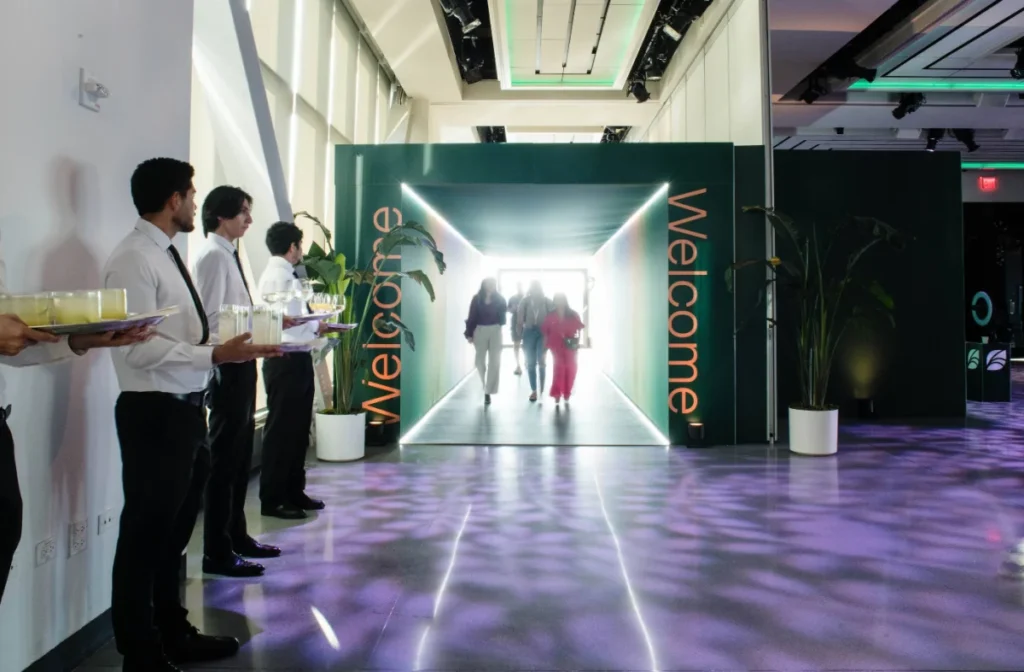

Complex event coordination demands clear ownership of every detail, from first concept through final breakdown. EMRG Media, a Manhattan-based event planning agency with 25 years of experience since 2001, manages every vendor directly for corporate clients: one accountable team, one point of contact, from concept through breakdown, backed by relationships with 100+ of the best venues and services in NYC.
What makes complex events so hard to coordinate?
A seamless experience at a large-scale event hides an enormous operational burden. Behind the polished surface, dozens of vendors, multiple timelines, room transitions, technology requirements, catering details, staffing decisions, and last-minute changes all compete for attention simultaneously. The challenge is not eliminating that complexity. The real objective is ensuring the client and their guests do not experience friction.
Why do so many moving parts create friction?
The sheer volume of interdependent elements multiplies risk. A single delayed vendor disrupts the timeline. A technology failure cascades into the speaker schedule. Catering adjustments force room layout changes. Each moving part connects to several others. Without centralized oversight, these connections become failure points. EMRG Media has produced more than 1,100 events over 25 years, handling high-stakes corporate events, galas, conferences, and brand activations where these interdependencies carry real consequences.
How do top planners prevent complexity from overwhelming guests?
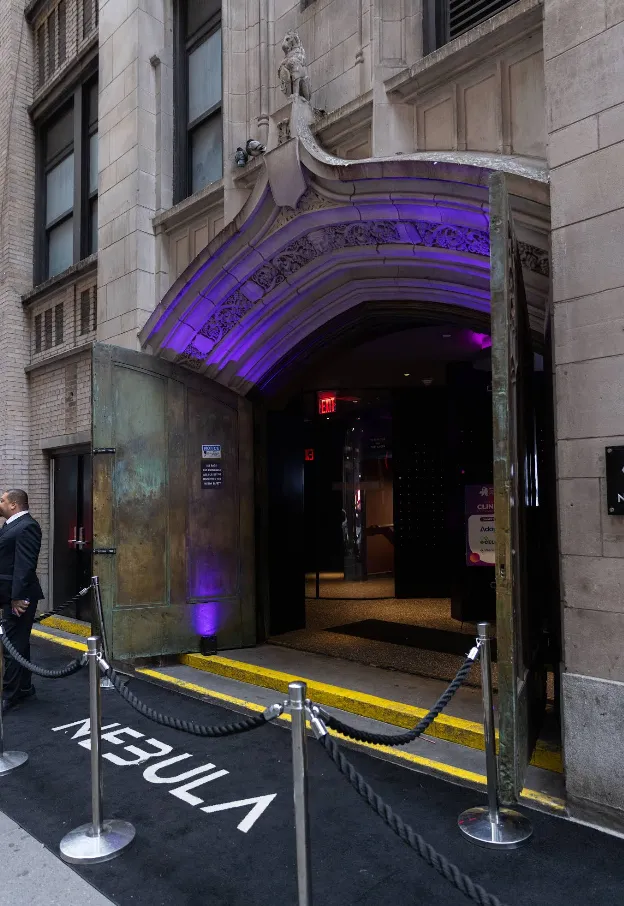
The best venues and planners do not make complex events feel complicated. They make the complexity feel handled. This requires a single accountable team managing every detail from concept through breakdown, rather than fragmented vendor handoffs. When planners handle unexpected changes with prepared contingency protocols, guests never see the adjustments happening behind the scenes. The experience remains fluid. The operational machinery stays invisible.
How can you ensure a seamless experience with so many moving parts?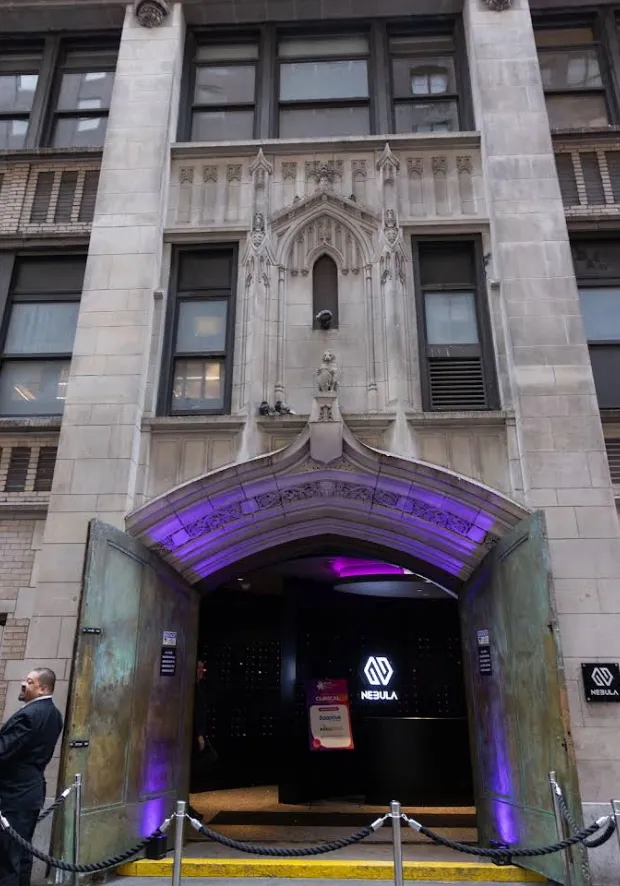
A seamless event experience depends on consolidating every moving part under one accountable team. Fragmented vendor chains create gaps that derail even the most meticulously planned conferences and galas.
What does a single-team approach actually eliminate?
The single-team model means EMRG Media’s planners, producers, designers, and AV specialists manage every vendor directly. Venue sourcing, creative direction, technical AV, talent booking, catering, and on-site execution all flow through one group. One accountable team. One point of contact. From concept through breakdown. We manage every vendor directly, backed by relationships with 100+ of the best venues and services in NYC. Miscommunication drops sharply when no external party interprets instructions secondhand.
How does pre-planning prevent last-minute chaos?
Pre-planning and vendor coordination form the foundation of every successful event. Sparksight’s event management team confirms that managing all details collaboratively, before the first guest arrives, produces consistently smooth outcomes regardless of event size. The process follows a clear sequence.
- Lock every vendor commitment and technical specification during the planning phase.
- Build a detailed run-of-show that sequences room transitions, AV cues, and catering timing.
- Conduct a full walkthrough with the in-house team to pressure-test every transition.
- Assign one on-site lead who holds the master timeline and makes real-time adjustments.
Organizations managing multiple high-stakes events benefit from standardizing this pre-production workflow across every activation. Consistency in planning produces consistency in execution.
Why does a single point of contact matter during execution?
A single point of contact prevents the fragmentation that sinks complex events. When a corporate client needs a last-minute room flip or an AV adjustment, that request hits one person who controls the entire operation. No relay of messages across separate vendors. No conflicting instructions. The in-house team responds as a unit because every function reports through the same structure. EMRG Media’s model keeps creative direction, production design, and technical execution aligned from load-in through breakdown.
What pre-planning steps prevent on-site chaos?
Pre-planning eliminates on-site chaos through data-driven decisions and meticulous coordination. A seamless experience depends on quantifying every planning choice before vendors arrive and guests walk through the door.
What data should planners collect before the event?
Every decision supports itself with data. Planners measure Net Promoter Scores and implement surveys that go beyond surface-level opinions, as noted in 10 Event Planning Tips for Smoother, Stress-Free Events. Quantifying past attendee behavior, session popularity, and traffic flow patterns transforms guesswork into a reliable blueprint. Without this foundation, teams lose the ability to anticipate bottlenecks and allocate resources where they matter most.
How does team structure affect pre-planning?
Events of 200 or more attendees demand coordination across a wide variety of services and managed roles. 4 Tips for Seamlessly Coordinating an Event highlights the complexity that multiplies with scale. A single accountable team handling venue sourcing, creative direction, vendor management, and technical production removes the friction of fragmented communication. EMRG Media deploys an in-house group of planners, producers, designers, and AV specialists who run events end-to-end. One accountable team. One point of contact. From concept through breakdown. We manage every vendor directly, backed by relationships with 100+ of the best venues and services in NYC.
The planning process stays stress-free when a dynamic, friendly team assists at every step. EMRG Media creates custom events spanning in-person, virtual, and hybrid formats, from intimate gatherings to productions hosting 10,000 guests. That range requires standardized checklists, contingency protocols, and vendor briefs finalized days before load-in. Overlooking key corporate event planning details such as power distribution, rigging points, or ADA compliance introduces preventable risk. Pre-walkthroughs with venue staff and technical crews surface conflicts early. The result is an extraordinary experience where complexity feels handled, not hidden.
How do you manage vendors and timelines on event day?
Vendor and timeline management on event day succeeds through a single accountable team running a pre-built playbook. EMRG Media’s in-house group of planners, producers, designers, and AV specialists manages every vendor directly and executes every moving part. Fragmented coordination between separate vendors creates gaps that derail even meticulously planned conferences and galas. A unified team eliminates those gaps before guests ever notice them.
What does a single-team approach change on event day?
The difference is immediate. One team handles every part of the event so the client hosts while the company runs the rest. No passing responsibility between outside vendors. No finger-pointing when a timeline shifts. The production lead, AV technician, and floor manager all report through the same chain of command. Decisions happen in seconds, not in a chain of emails between disconnected contractors.
How does the run-of-show stay on track when something changes?
Every corporate occasion has its own playbook, and the EMRG Media team has run them all. The run-of-show document functions as a living timeline, not a static schedule. When a speaker runs long or a room transition needs five extra minutes, the team recalibrates instantly. Clear communication across all roles keeps catering, lighting, and stage management synchronized. Sparksight’s event management research confirms that working together and managing all the details enables countless successful events no matter the size.
Seamless experience depends on this real-time coordination. The team managing high-stakes event execution anticipates conflicts before they surface. A delayed vendor arrival triggers an immediate backup plan. A technical glitch gets resolved while the audience remains unaware. Team collaboration is the key to success for large-scale events, as ClearEvent’s industry analysis emphasizes. Without it, even minor disruptions cascade into visible failures that damage brand reputation and guest confidence.
What common mistakes should you avoid in event coordination?
A common mistake is chasing a perfectly frictionless event. Trying to eliminate every variable is unrealistic. The smarter goal is managing friction so guests never feel it. Event coordinators who obsess over controlling every detail often create rigid plans that shatter the moment something shifts. A seamless experience depends on adaptable systems, not brittle perfection.
Why does over-controlling every detail backfire?
Rigid run-of-show documents collapse under real-world pressure. A speaker runs long. A vendor arrives late. A room transition takes extra minutes. Teams without built-in flexibility lose momentum and broadcast stress to attendees. The damage compounds quickly. Guests notice rushed transitions and harried staff. Trust erodes. The event feels chaotic despite months of preparation.
What separates resilient planning from fragile planning?
Resilient planning accepts complexity as a given. It builds buffer zones into timelines. It cross-trains staff so no single person becomes a bottleneck. It pre-positions backup equipment instead of assuming flawless performance. Fragile planning, by contrast, treats the master schedule as sacred and treats deviations as failures. That mindset produces events that work beautifully in rehearsal and unravel under live conditions.
Another critical mistake is fragmenting vendor accountability. Handing different production elements to separate firms creates communication gaps. A lighting cue misfires because the AV team never synced with the decor crew. Catering timing drifts because no single entity owns the master timeline. EMRG Media avoids this pitfall through an in-house team covering planning, production, design, and AV. One team. One point of contact. Concept to breakdown. No finger-pointing between vendors.
Ignoring sector-specific requirements also undermines coordination. A financial services conference demands different pacing and compliance awareness than a luxury fashion activation. A nonprofit gala carries stakeholder sensitivities absent from a tech product launch. EMRG Media tailors services across finance, law, tech, media, nonprofit, and luxury fashion sectors. Transparent pricing supports that customization. Clients see exactly what they fund and why.
FAQ
What makes complex events so hard to coordinate?
Dozens of vendors, multiple timelines, technology requirements, and last-minute changes compete for attention simultaneously, with each moving part connecting to several others and multiplying risk.
What does a single-team approach actually eliminate?
The single-team model removes subcontracted handoffs entirely, with one in-house group covering planning, production, design, and AV to eliminate miscommunication and fragmented vendor chains.
Conclusion
Complex event coordination succeeds when one accountable team owns every detail from concept to breakdown, eliminating the gaps that fragment vendor chains and rigid plans. That single-team model, backed by contingency protocols and sector-specific expertise, transforms complexity into a seamless experience guests never question. Choose a partner whose in-house capabilities match the scale of your vision, and let adaptable systems handle the rest.