

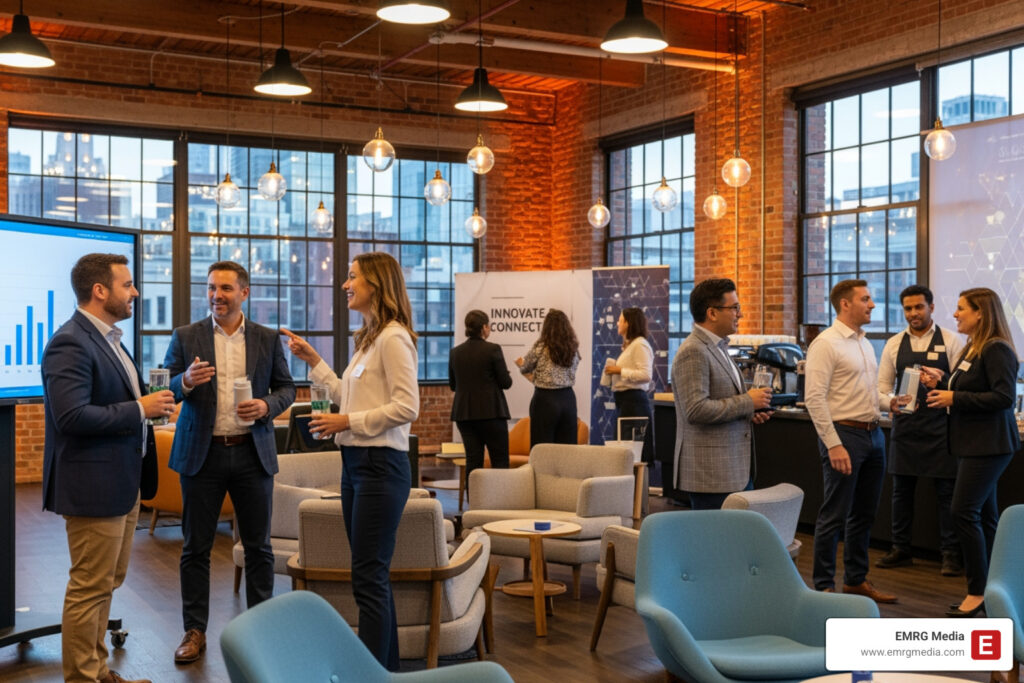

Unlocking the Power of Corporate Event Experience Design for Lasting Impact
#
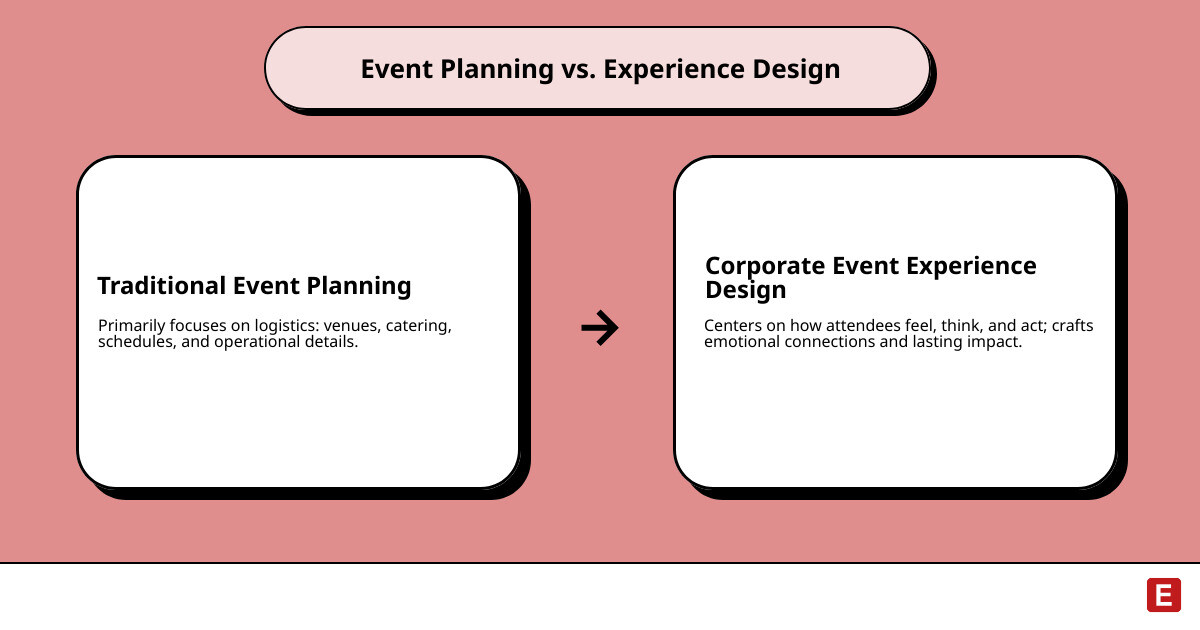
Corporate event experience design is the strategic process of crafting every aspect of an event—from the first invitation to the final follow-up—to create emotional connections, drive engagement, and achieve specific business outcomes. Unlike traditional event planning that focuses primarily on logistics (venues, catering, schedules), experience design centers on how attendees feel, think, and act throughout their journey.
Key Components of Corporate Event Experience Design:
- Purpose & Intention – Defining clear goals and desired outcomes
- Emotional Journey – Crafting a narrative arc from opening to closing
- Multi-Sensory Touchpoints – Engaging sight, sound, scent, taste, and touch
- Personalization – Tailoring experiences to individual attendee needs
- Strategic Flow – Designing seamless transitions between event moments
- Measurement – Tracking both quantitative metrics and qualitative impact
Recall a corporate event that fell flat: bland conference rooms, standard presentations, and that familiar “same old meeting in a new location” vibe. This happens when we get wrapped up in the mechanics of hosting—PowerPoints, AV equipment, refreshments—and lose sight of the heart of gathering: the uniquely human element.
The most successful events today don’t just deliver content. They create immersive, memorable experiences that resonate long after attendees leave. According to industry research, experience-driven events can generate up to 85% higher consumer purchase likelihood after participation, alongside stronger brand loyalty, higher engagement and retention rates, better ROI, and increased social media buzz. Attendees remember standout moments—especially the beginning and ending of an experience—a psychological concept called the “peak-end rule.”
This demand for elevated experiences continues to grow. Millennials and Gen Z attendees expect inspiring, unique gatherings worth their limited time and attention. Your events compete not just with other conferences, but with every form of entertainment and information delivery available online.
As Jessica Stewart, Vice President of Marketing & Sales at EMRG Media, I’ve spent over 15 years changing The Event Planner Expo into the leading conference for the events industry, working with companies like Google, JP Morgan, and Estee Lauder to master corporate event experience design. In this guide, I’ll share the principles and practical frameworks that separate forgettable gatherings from transformative experiences.
Defining Corporate Event Experience Design and Its Business Value
#
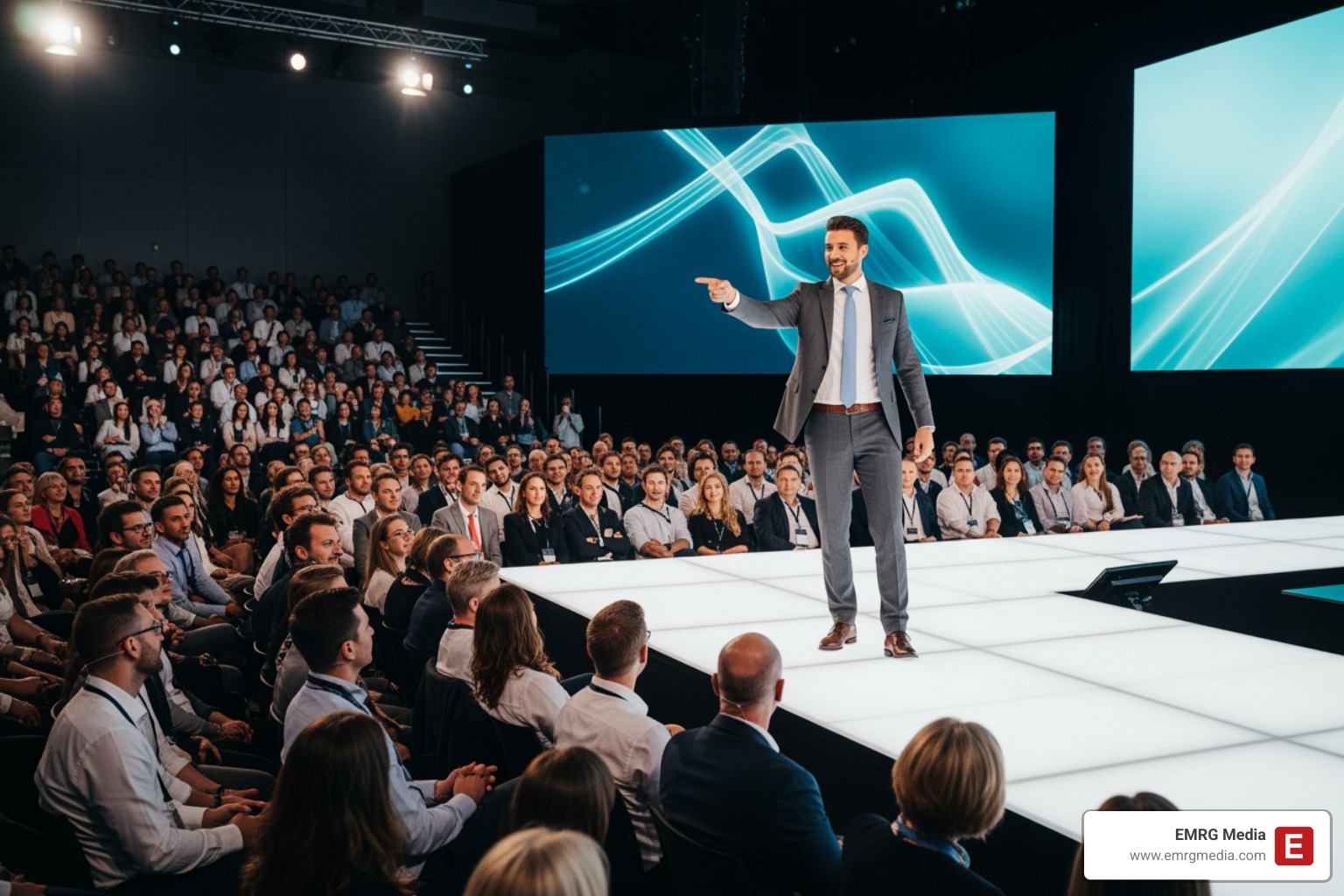
At its heart, corporate event experience design is the intentional shaping of how people feel, think, and act during an interaction or event. It goes beyond merely planning activities; it’s about crafting emotional resonance, prompting reflection, and designing moments that leave a lasting impact. The key objective of any event, whether virtual, hybrid, or in-person, is to engage the audience and create an experience that remains with them long after it’s over. This acquired skill is what event designing professionals apply to make your event stand out.
Why does this matter so profoundly? Because the way we gather matters. Gatherings consume our days and help determine the kind of world we live in. Much of the time we spend in gatherings disappoints us, often because we lose sight of the uniquely human element. Elevating the event planning process so that we are intentionally crafting the emotional journey your guests will experience is key.
Experience-driven events deliver tangible business results, from fostering stronger brand loyalty through emotional connections to boosting participation with immersive elements, achieving higher ROI, and expanding reach via shared attendee content.
Moving from Logistics-Focused Planning to Attendee-Driven Experiences
#
The concept of the “experience economy,” introduced by Joseph Pine and James Gilmore in 1998, posits that experiences are the next differentiator after goods and services. In this landscape, simply providing solid content is no longer sufficient. Today’s attendees, especially incoming generations like Millennials and Gen Z, have high expectations and limited time and funds. They are highly motivated to find and share unique, inspiring experiences.
This shift emphasizes a holistic, attendee-centric approach over traditional top-down logistics. Our goal is to create conditions that lead to an emotional shift, making attendees feel seen, valued, and connected. We move away from simply managing the “mechanics” of an event to intentionally designing an emotional journey for guests. This approach views the event as a narrative, where every detail contributes to a specific feeling and desired outcome for attendees.
To truly resonate, your corporate event experience design must stand out. Events today compete not only with other industry gatherings but also with for-profit events, destinations, corporate brands, and a vast array of online content. Experience design becomes a key differentiator for your brand, creating memorable moments that capture attention and foster deep engagement.
Key Business Advantages of Effective Corporate Event Experience Design
#
Investing in thoughtful corporate event experience design yields significant returns:
- Stronger Brand Loyalty: When attendees connect emotionally with your brand, they develop a deeper sense of loyalty. Memorable experiences create positive associations that linger, making them more likely to advocate for your brand.
- Higher Engagement & Retention: Immersive experiences increase participation and keep attendees engaged throughout the event. This heightened engagement translates into better retention rates for future events and initiatives.
- Better ROI: Memorable events generate higher returns on investment. Whether your goal is lead generation, sales, employee retention, or brand awareness, a well-designed experience is more likely to achieve and exceed those objectives.
- Increased Social Media Buzz: Attendees love to share unique moments online. A truly experiential event provides ample opportunities for user-generated content, amplifying your message and extending your reach far beyond the physical (or virtual) attendees.
- Data Collection Opportunities: Technology integrated into experience design, such as event apps or RFID tracking, can serve as a valuable data collection tool. This helps us understand attendee behavior, preferences, and interests, enabling even greater personalization for future events.
The Core Pillars of Corporate Event Experience Design
Crafting an unforgettable corporate event experience design relies on several core pillars that guide every decision. These pillars ensure that we’re building an event that is not only engaging but also purposeful, emotionally resonant, and deeply personal.
Pillar 1: Setting a Defined Purpose and Goal
Every great event begins with a clear and meaningful intention. Your offsite shouldn’t just be a change of scenery; it needs a specific purpose that informs the feeling and experience you want to create for your guests. What specific change or outcome do you want to see in your team or attendees? Is it to spark innovation around a new initiative, strengthen bonds between departments, recognize achievements, or align everyone on the strategic vision for the coming year?
Defining this “why” is the first and most critical step. It acts as the North Star for all subsequent design decisions, ensuring that every element, from the venue choice to the agenda flow, contributes to achieving your corporate objectives. We start with strategy, always.
Pillar 2: Building the Attendee Emotional Arc
Think of your event as a story, with a beginning, middle, and end. The emotional arc is how you want your attendees to feel as that story unfolds. We design for feelings, not just logistics. This involves creating the conditions that lead to desired emotional shifts, rather than trying to dictate what attendees should feel.
Drawing inspiration from concepts like the “peak-end rule” explored in Chip and Dan Heath’s book, The Power of Moments, we focus on designing powerful opening moments to set the tone, engaging exploration phases, and memorable closing moments that offer closure, gratitude, or a call to action. People tend to remember the standout moments, both good and bad, and the ending of an experience. By intentionally crafting these moments, we leave a lasting positive impression.
Pillar 3: Activating Multiple Senses for Immersion
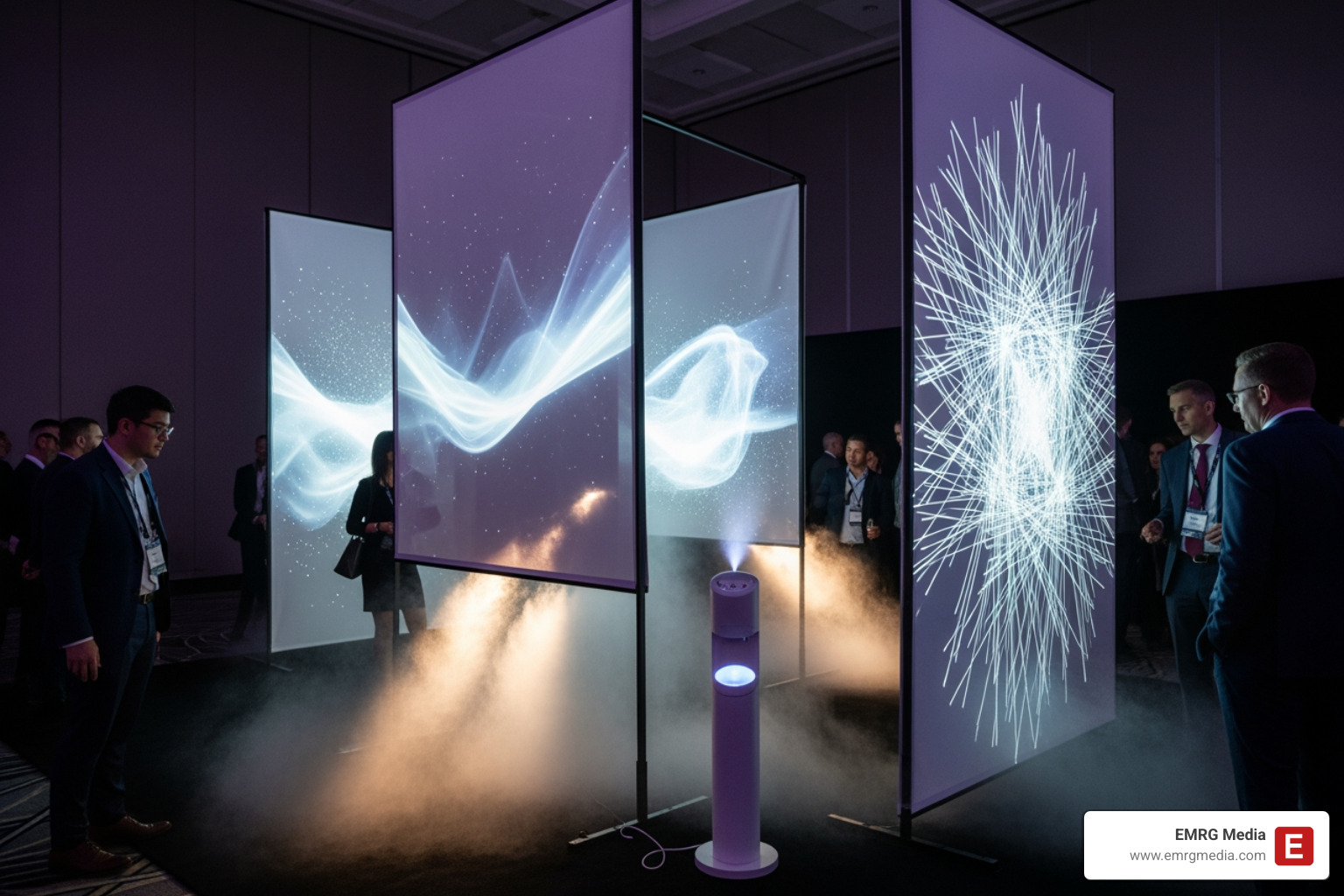
To truly create an immersive experience, we must engage all five senses. Multi-sensory design creates a dynamic and interactive atmosphere that connects with attendees on an emotional level.
- Visuals and Scenic Design: This goes beyond simple decorations. We use bold colors, complex and layered designs, LED lighting, and projection mapping to transform spaces into visual masterpieces. Custom backdrops and installations contribute to a cohesive visual identity.
- Soundscapes and Music: The right audio can set the mood, energize a room, or create a sense of calm. Customized playlists, ambient audio, and live music (from bands to electric violinists) all contribute to the auditory experience.
- Scent Branding: A subtle, custom scent can evoke emotions and create a unique brand association, adding an often-overlooked layer to the overall atmosphere.
- Tactile Experiences: Interactive installations, hands-on activities, or even the texture of event materials can provide tactile engagement, making the experience more tangible and memorable.
- Culinary Experiences: Food and beverage are no longer just sustenance; they are key storytelling tools. Chef-led tasting menus inspired by brand heritage, theatrical cocktail moments, juice bars upon entry, healthy light bites, and interactive food stations all contribute to a delightful and memorable taste experience.
Pillar 4: Harnessing Personalization for Deeper Connections
In an age where consumers expect bespoke experiences, personalization is definitely top of mind for corporate events. It’s about tailoring the experience to fit your audience, making each event unique and experiential.
- Audience Personas: We use data captured by event technology to understand attendees’ needs, interests, and concerns, allowing us to tailor the experience effectively.
- Data-Driven Customization: Leveraging analytics helps us fine-tune event elements to individual preferences.
- Custom Content: Tailoring session content or information delivery to specific attendee segments ensures relevance and higher engagement.
- Personalized Agendas: With AI and machine learning, we can offer personalized session recommendations, making attendees feel that the event is designed just for them.
- Custom Gifting: From curated welcome suites for VIPs to DIY cold brew or juicing kits, personalized gifts extend the brand experience beyond the event.
- Making Attendees Feel Valued: Personalization ensures that every guest leaves feeling like part of the brand’s story, not just an observer. This creates a sense of belonging and enjoyment, which is paramount for event success.
Step-by-Step Guide to Crafting Your Corporate Event Experience
#
Creating a compelling corporate event experience design follows a structured approach, with each stage building toward a unified and effective result. Here’s a practical framework we use to bring visions to life:
- Define Goals and Understand Your Audience
- Map the Complete Attendee Journey
- Design Key Touchpoints and “Peak Moments”
- Prototype and Refine Your Experience
- Develop Content and Creative Elements
- Execute Flawlessly
- Measure and Iterate
Step 1: Clarify Objectives and Profile Your Attendees
Before sketching any design, we identify the event’s core objectives. What change or outcome do we want to achieve? This clear and meaningful intention guides every subsequent decision. Simultaneously, we dig deep into understanding the target audience. It is exceptionally hard to inspire change in someone when you don’t know anything about them.
We create detailed audience personas, gathering insights through surveys and feedback to understand their preferences, demographics, motivations, and pain points. This foundational knowledge allows us to tailor the experience to their specific needs, ensuring relevance and creating the conditions for emotional shifts.
Step 2: Outline the Full Attendee Path
The attendee journey begins long before the event day itself and extends well beyond it. We carefully map every touchpoint, from the initial invitation and registration process to arrival, the event itself, and post-event follow-up. This step helps us build the event flow, which is the backbone of any event type, detailing the step-by-step narration of the entire program.
By visualizing this journey, we can identify potential friction points and opportunities for improvement. A seamless flow from registration to post-event follow-ups is crucial for a positive experience.
Step 3: Shape Critical Interactions and Highlight Moments
While we can’t design for every second, we strategically focus on crafting powerful and memorable moments. People tend to remember the standout moments, both good and bad, and the ending of an experience.
- The Powerful Opening: This is our opportunity to set the tone and the rules of engagement. A visually engaging entrance, a unique welcome activity, or an energetic musical start can build excitement and help attendees transition into the experience.
- Memorable Closing: The ending provides closure, offers gratitude, and reinforces key takeaways. A reflective moment, a celebratory send-off, or a clear call to action can leave a lasting positive impression.
- Interactive Sessions: Incorporating live polling, Q&A sessions, hands-on activations, and collaborative problem-solving sessions keeps attendees actively engaged.
- Networking Opportunities: Designing spaces and activities that foster relationships, such as lounge furniture groupings or AI-powered matchmaking, encourages meaningful connections.
- Surprise and Delight Elements: Unexpected entertainment, small personalized gestures, or creative food service options beyond traditional buffets add an element of joy and wonder.
Step 4: Test and Polish the Design
Even the most brilliant ideas benefit from testing. We prototype the experience using tools like detailed run-of-shows and even “Very Bad Run-Thrus” (VBRTs). This involves practicing the event flow, even poorly, to identify potential issues, refine timing, and ensure smooth transitions.
Prototyping helps us cut terrible ideas before they make it to the final experience. We gather feedback from clients and stakeholders, ensuring that the design is robust, achievable, and aligned with the intended impact. This iterative process is crucial for delivering a polished and impactful event.
Integrating Current Trends and Tech in Corporate Event Experience Design
#
The landscape of corporate event experience design is constantly evolving, driven by new trends and groundbreaking technologies. To create truly impactful events in NYC and beyond, we must stay ahead of the curve, integrating innovations that improve engagement and immersion.
Emerging Trends Influencing Today’s Corporate Events
#
Today’s corporate events are a far cry from the traditional ballroom banquets of the past. Several key trends are revolutionizing how we approach design:
- Smaller, Bespoke Events: There’s a growing trend toward more intimate, carefully crafted events that resonate with specific audience segments. These smaller gatherings foster deeper connections and more personalized experiences.
- Health and Wellness Focus: The health and safety of attendees have taken center stage. Beyond robust protocols, events now incorporate wellness elements like morning workouts, destination-specific activities (e.g., hiking), mindful spaces (quiet rooms, meditation areas), and healthy culinary options.
- Sustainability and Ethical Design: Today’s consumers and corporations are more environmentally and socially conscious. Integrating sustainable practices—from eco-luxe materials and local sourcing to recyclable installations—is not just a trend but a necessity. Events that showcase a commitment to social responsibility resonate more deeply.
- Immersive Storytelling: Events are being designed as narrative journeys, using multi-sensory activations, interactive environments, and thematic elements to engage guests emotionally and reinforce brand messages.
- Experiential Activations: Interactive installations, engaging product demonstrations, and unique brand touchpoints are becoming staples, providing tangible connections between attendees and the brand. Alluring activations, such as illusionists, mixologists, and comics, are pros at interacting with an audience.
Strategic Ways to Incorporate Technology in Corporate Event Experience Design
Technology is no longer just a logistical tool; it’s a powerful enabler of extraordinary experiences. The key is to leverage it strategically, ensuring it improves rather than distracts from the immersive atmosphere.
- Event Apps for Personalization: Mobile event apps allow attendees to customize their schedules, receive personalized recommendations, and access relevant content, making the experience uniquely theirs.
- AR and VR for Immersion: Augmented Reality (AR) and Virtual Reality (VR) offer cutting-edge immersive experiences. AR can be used for interactive product showcases, while VR can create engaging experiences for remote attendees or provide virtual tours.
- AI for Matchmaking and Recommendations: Artificial Intelligence (AI) can power intelligent matchmaking for networking opportunities and provide highly personalized session recommendations based on attendee interests, past behavior, and professional profiles.
- RFID/NFC for Seamless Interaction: RFID (Radio-Frequency Identification) and NFC (Near Field Communication) technologies enable contactless interactions, streamlined access control, and efficient tracking of attendee engagement.
- Hybrid Event Platforms: Hybrid events, now a norm, provide a chance for both international and local guests to engage meaningfully. Robust platforms ensure a seamless and equally enriching experience for in-person and virtual attendees.
Creating Immersive and Memorable Experiences
Beyond specific technologies, the art of immersion lies in crafting captivating environments and interactions:
- Interactive Installations: From custom murals attendees can sign to DIY stations and gamified experiences, interactive installations encourage active participation and create shareable moments.
- Gamification: Integrating game-like elements into the event flow, with challenges, leaderboards, and rewards, can significantly boost engagement and create a fun, competitive atmosphere.
- Thematic Environments: Changing venues with bold colors, creative staging, and layered designs to reflect a specific theme or brand story can transport attendees to a different world.
- Live Entertainment: Unique performers like electric violinists, saxophonists, illusionists, or themed bands can captivate audiences and add an element of surprise and delight. Silent discos, light shows, and DJs also contribute to dynamic entertainment.
- Projection Mapping: This technology allows for dynamic visuals to be projected onto any surface—walls, floors, ceilings—creating stunning, ever-changing backdrops that improve the event’s aesthetic and storytelling.
Evaluating Outcomes and Sidestepping Typical Errors in Event Design
#
A truly successful corporate event experience design isn’t just about creating a memorable day; it’s about achieving measurable impact. We need to understand if our intentional design choices translated into the desired outcomes. Equally important is recognizing and avoiding common pitfalls that can undermine even the best-laid plans.
Effective Methods to Gauge Event Design Success
Measuring success in experience design goes beyond simple attendance figures. It digs into the quality of engagement and the emotional resonance achieved.
- KPI and Measurement Strategy: We establish clear Key Performance Indicators (KPIs) aligned with our event’s purpose. This might include attendee satisfaction scores, lead generation, social media reach and sentiment, or specific behavioral changes.
- Post-Event Surveys: Thoughtfully designed surveys can capture qualitative feedback on emotional impact, perceived value, and specific elements that resonated (or didn’t). Questions like “How profoundly did the event make you feel alive and connected?” can tap into deeper insights.
- Social Media Monitoring: Tracking hashtags, mentions, and overall sentiment on platforms like Instagram, X (formerly Twitter), and LinkedIn provides real-time insights into attendee buzz and perceived value. Increased social media buzz is a direct benefit of experience-driven events.
- Engagement Analytics: Event technology can provide rich data on session attendance, app usage, interaction with polls or Q&As, and time spent at different activations. These metrics offer quantitative evidence of engagement.
- “Metrics of Meaning” (Qualitative Feedback): Beyond numbers, we seek to understand the “metrics of meaning.” Did attendees connect with an idea, a person, or the brand? Did the event achieve “collective effervescence” – a shared feeling of energy and connection? Gathering anecdotes, testimonials, and observing interactions provides invaluable qualitative data.
Essential Mistakes to Dodge in Corporate Event Planning
#
Even seasoned event professionals can stumble if they lose sight of the core principles of experience design. Here are some common pitfalls we actively help our clients steer:
- Focusing on Mechanics Over People: Getting too wrapped up in logistics (AV, catering, schedules) and neglecting the human element. We can lose sight of the heart of gathering when we don’t prioritize the emotional journey of our guests.
- Neglecting the Opening and Closing: As the “peak-end rule” suggests, people primarily remember the standout moments, especially the beginning and end. A weak start or a lackluster finish can diminish the entire experience, regardless of what happened in between.
- Lack of a Clear Purpose: An event without a clear and meaningful intention is just a gathering of people. Without a defined “why,” it’s impossible to design a cohesive experience or measure its true impact.
- One-Size-Fits-All Approach: Treating all attendees the same, or attempting a generic event design, ignores the power of personalization. It’s exceptionally hard to inspire change when you don’t know your audience.
- Not Prototyping the Experience: Skipping the testing and refinement phase means you’re launching an untested product. “Practicing it poorly a few times” through run-thrus helps identify flaws and optimize the flow before the big day, preventing costly mistakes and ensuring a smoother, more impactful event.
Elevating Corporate Events Through Intentional Design
Corporate events have transformed from basic gatherings to strategic platforms for connection and impact. By prioritizing corporate event experience design, organizations can craft moments that engage senses, personalize journeys, and drive measurable results like enhanced loyalty and ROI. From defining purpose to leveraging trends in corporate event production, this approach turns visions into realities. At EMRG Media, with over 25 years in NYC, we specialize in seamless, unforgettable experiences that align with your goals and resonate long after.
When the goal is impact, not just attendance, EMRG Media delivers. From corporate productions to once-in-a-lifetime celebrations, we handle the details so your event shines.
Reach out to EMRG Media, and let’s start designing something exceptional.
