

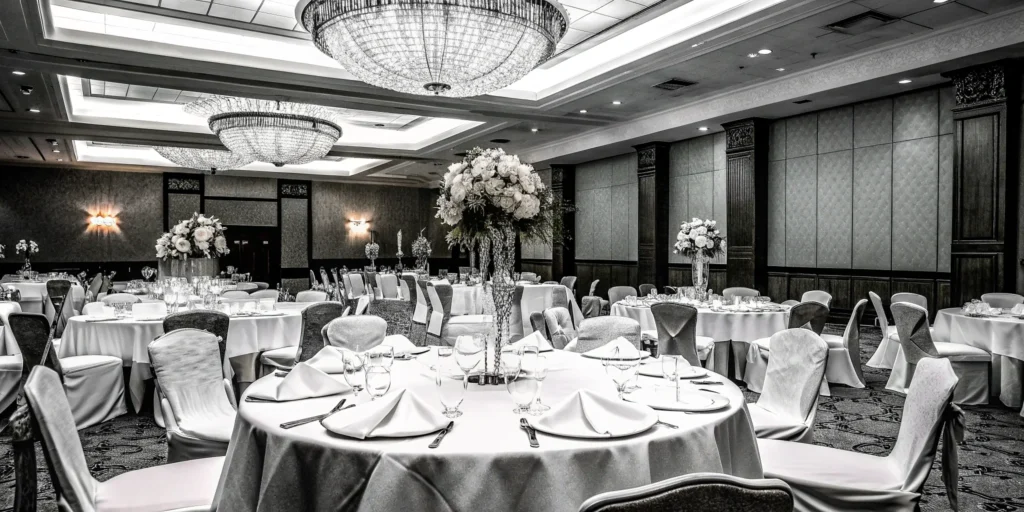

A truly memorable gala feels effortless to its guests, but behind the scenes, it’s a masterpiece of strategy and precision. Every element, from the lighting and menu to the flow of the program, is carefully orchestrated to create a specific experience. This level of execution doesn’t come from luck; it comes from a solid blueprint. Think of this guide as that blueprint. We’re pulling back the curtain on professional gala planning to show you exactly how to build your event from the ground up. We’ll cover the foundational pillars like setting smart goals and assembling your team, and then move into the critical details of securing sponsorships, driving attendance, and flawlessly managing day-of logistics for your private event.
Key Takeaways
- Establish Your Strategy First: Before you choose a theme or taste a single canapé, define your specific goals and create a detailed budget. This strategic foundation is the most critical step and will guide every decision you make for a successful, stress-free event.
- Rally Your People and Promote with Purpose: A gala’s success depends on strong relationships and smart outreach. Focus on assembling a dedicated planning team, building genuine partnerships with sponsors, and executing a multi-channel promotional plan to create buzz and drive attendance.
- Engineer a Flawless Guest Experience: Every logistical detail—from the catering and entertainment to the day-of timeline—contributes to the overall atmosphere. Plan meticulously to ensure a seamless event that makes your guests feel valued and deepens their connection to your mission.
What Is a Gala and Why Should You Plan One?
A gala is more than just a fancy party; it’s a powerful event designed to make a significant impact. At its core, a gala is a formal gathering held to raise money and awareness for a specific cause, organization, or campaign. Think of it as a celebration with a purpose. Whether you’re supporting a non-profit, launching a new initiative, or honoring key achievements, a well-executed gala can rally your community, attract new supporters, and create a memorable experience that resonates long after the night is over.
Planning a gala is a fantastic way to bring people together for a shared mission. It provides a unique platform to tell your story, showcase your successes, and inspire guests to become more involved, whether as donors, volunteers, or advocates. The energy in the room at a successful gala is electric—it’s a chance for your supporters to connect with your cause on a deeper level. From charity fundraisers to corporate celebrations, these events are instrumental in building momentum and securing the resources you need to continue your important work. It’s an investment in your organization’s future and a testament to the community you’ve built.
Explore Different Types of Galas
When you hear “gala,” you might picture a classic black-tie affair, but the possibilities are much more exciting. You can tailor the event to perfectly match your organization’s personality and goals. Consider hosting a themed gala, like a “Roaring Twenties” speakeasy or a glamorous masquerade ball, to create an immersive experience for your guests. An awards gala is a great way to recognize outstanding individuals and achievements within your community. You could also host a fundraising ball focused on dancing or even combine your event with another activity, like a charity golf tournament, to appeal to a wider audience. The key is to choose a format that feels authentic to your cause and will get your guests excited to attend.
Set Clear, Achievable Goals
Before you book a venue or taste a single canapé, the first step is to define what success looks like for your gala. Vague goals lead to vague results, so it’s crucial to set targets that are Specific, Measurable, Achievable, Relevant, and Time-bound (SMART). Instead of just saying you want to “raise money,” decide on an exact figure. For example, “Our goal is to raise $50,000 to fund our after-school arts program for one year.” This clarity will guide every decision you make, from the ticket price and sponsorship levels to the size of your guest list. Knowing your “why” keeps your team focused and motivated throughout the planning process.
How Do You Create a Gala Budget?
Your budget is the blueprint for your entire gala. It’s more than just a spreadsheet of numbers; it’s a strategic tool that guides every decision you make, from the venue you choose to the entertainment you book. A well-planned budget ensures you can create a stunning event without financial stress, allowing you to focus on your goals and give your guests an unforgettable experience. Getting this right from the start is the key to a flawless event. Let’s break down how to build a budget that works for you.
Outline Common Gala Expenses
First things first, you need to know where your money is going. Start by creating a comprehensive list of every potential cost. Think big and small. Your list should include major items like the venue rental, catering services, entertainment, and marketing materials. Don’t forget the details that bring an event to life, such as décor, lighting, staffing, security, and any necessary permits. Brainstorming every possible expense upfront prevents last-minute surprises. Having a clear picture of all the moving parts helps you understand the full financial scope of your event and is the foundational step in building a realistic budget.
Allocate Your Funds Wisely
Once you have your list of expenses, it’s time to assign dollars. A great way to approach this is by creating two budgets: one for the “must-haves” and another for the “nice-to-haves.” Your must-haves are the essential elements your gala can’t happen without, like the venue, food, and basic staffing. The nice-to-haves are the extras that would be great but aren’t critical, like an elaborate photo booth or a top-tier musical act. This approach forces you to prioritize and ensures your core costs are covered. This is a core part of strategic event planning that protects your event’s integrity while still allowing room for flair if the funds permit.
Plan for the Unexpected
No matter how perfectly you plan, unexpected costs can and do arise. A last-minute technical issue, a vendor needing an extra piece of equipment, or simply running low on ice—it happens. That’s why building a contingency fund into your budget is non-negotiable. Most event planners recommend setting aside 10% to 15% of your total budget for these unforeseen circumstances. This buffer gives you the flexibility to handle surprises without derailing your entire financial plan. Having this safety net provides peace of mind and is the mark of a truly well-managed event. It’s always better to have it and not need it than to need it and not have it.
What Are the Core Steps of Gala Planning?
With your budget framework in place, you can move on to the foundational pillars of your event. These core steps will shape the entire experience, from the first invitation to the final farewell. Getting these right sets you up for a smooth planning process and a memorable night for your guests. Think of this as building the skeleton of your gala—every decision you make from here on out will hang on this structure.
Assemble Your Planning Team
Planning a gala is a massive undertaking, and you definitely shouldn’t do it alone. Your first move is to build a reliable planning committee. Look for people with diverse skills—you’ll want someone who’s great with numbers to manage the budget, a creative mind for the theme and decor, and a social butterfly to handle outreach and sponsorships. Once you have your team, you can delegate tasks based on each person’s strengths and experience. This collaborative approach not only lightens the load but also brings fresh perspectives to the table, ensuring every detail is thoughtfully considered. Our team at EMRG Media knows that a successful event is always a team effort.
Create Your Master Timeline
Your event timeline is your roadmap from now until the day of the gala. Start with the event date and work backward, setting deadlines for major milestones like booking the venue, securing sponsors, sending invitations, and finalizing vendors. This high-level plan keeps everyone on track. You also need to create a detailed run-of-show for the event itself. This schedule should map out every moment, including guest arrival, cocktail hour, speeches, dinner service, entertainment, and departure. A well-structured timeline is the secret to a seamless flow and ensures you and your team can actually enjoy the event without scrambling.
Choose the Perfect Date and Venue
The date and venue are two of the most critical decisions you’ll make. When choosing a date, check for any holidays or major local events that could conflict and reduce attendance. Once you have a few potential dates, your focus should shift to the venue. This is more than just a location; it sets the entire mood for your gala. You need to evaluate each potential venue based on its capacity, location, style, accessibility, and, of course, cost. Since the best venues in NYC get booked far in advance, start your search early to secure a space that perfectly aligns with your vision and budget for your private event.
Develop Your Event Program and Theme
Before you start thinking about decorations, define your gala’s purpose. If it’s a fundraiser, decide on a specific financial goal. Knowing how much you want to raise helps determine the event’s scale, ticket price, and guest list. With your goals set, you can develop a theme. A great theme does more than just look pretty; it creates an emotional connection to your cause and provides a cohesive thread for the entire event. Your theme should guide everything from the marketing materials and decor to the entertainment and menu, creating a truly immersive experience for your guests.
How Do You Secure Sponsorships and Partnerships?
Sponsorships are the financial backbone of most successful galas. They not only cover major expenses, allowing more of the money raised to go directly to your cause, but they also add a layer of credibility to your event. Think of sponsors as partners; you’re not just asking for money, you’re offering a valuable opportunity for them to connect with a new audience. A strong sponsorship strategy begins with thoughtful research and genuine outreach. When you can clearly show a potential sponsor what’s in it for them, you transform your request from a simple ask into a compelling business proposition. It’s a core part of our event planning services.
Identify Potential Sponsors
Start by brainstorming a list of businesses and individuals who align with your event’s mission or target audience. Think beyond the usual suspects. Who are the community leaders in your area? Which companies share your values? A great place to start is with businesses that can cover significant costs, like the venue or catering. This approach ensures that a larger portion of ticket sales and donations goes directly toward your fundraising goal. Once you have a list, do your homework to understand their past philanthropic activities and marketing goals, which will help you tailor your pitch.
Create Compelling Sponsorship Packages
A one-size-fits-all approach rarely works. Instead, develop tiered sponsorship packages that offer different levels of benefits at various price points. You can label them with creative names like Platinum, Gold, and Silver, or something more aligned with your event’s theme. For each tier, outline exactly what the sponsor will receive. Higher-level packages might include premium benefits like logo placement on all event materials, a dedicated table for their guests, or a speaking opportunity. Always remember to frame these benefits around what sponsors want, like valuable brand exposure and access to new audiences.
Build Relationships with Local Businesses
Don’t underestimate the power of your local community. Small and mid-sized businesses are often looking for ways to increase their visibility and demonstrate their commitment to the area. Sponsoring a local gala is a perfect way for them to achieve both. When you reach out, personalize your approach. Instead of a generic email, try to connect with a specific person at the company. Explain why you believe their business is a great fit for your event and how a partnership can help them meet their goals. Building these relationships takes time, so start your outreach early.
How Do You Drive Attendance and Engagement?
You can plan the most spectacular gala in the world, but it won’t mean much without guests to experience it. Filling the room is about more than just sending out a few invitations; it requires a thoughtful and energetic promotional strategy that builds momentum over time. The goal is to create a sense of anticipation that makes your gala the event to attend, a can’t-miss experience people will be talking about. A great promotion plan not only secures RSVPs but also engages your audience, making them feel connected to your cause or celebration long before they walk through the door. This pre-event engagement is critical because it transforms attendees from passive ticket-holders into active, excited participants who are more likely to donate, bid, and share their experience. This is where your event’s story comes to life through strategic marketing that captures attention and drives action. By combining classic outreach with modern techniques, you can build a community around your event, ensuring your guest list is full and the energy in the room is electric from start to finish.
Use a Multi-Channel Marketing Approach
To reach the widest possible audience, you need to meet people where they are. A multi-channel approach means using a mix of platforms—social media, email, your website, and even print—to share your message. Create a consistent look and feel for all your promotional materials to build brand recognition. One simple yet powerful tactic is to draft sample posts for platforms like LinkedIn, Facebook, and Instagram and share them with your staff, speakers, and sponsors. This makes it incredibly easy for them to spread the word to their own networks, amplifying your reach with just a few clicks. The key is to tailor the message slightly for each channel while keeping the core information clear and compelling.
Partner with Social Media Influencers
In a city like New York, collaborating with the right people can make all the difference. Partnering with local influencers who align with your event’s theme or cause can introduce your gala to a whole new audience. Look for creators whose followers match your ideal guest profile. An authentic endorsement from a trusted voice can build instant credibility and excitement. You don’t necessarily need a mega-influencer; micro-influencers with a dedicated local following can often generate a more engaged response. Provide them with a unique experience or tickets to share, and let them tell your event’s story to their followers in their own voice.
Send Personalized Email Invitations
An email invitation should feel like a personal welcome, not a mass advertisement. Move beyond generic email blasts by personalizing your invitations. Use the recipient’s name and, if possible, reference their past involvement with your organization. Craft compelling copy that clearly explains why their attendance matters, highlighting the impact of their contribution or the unique experience awaiting them. Segmenting your email list allows you to tailor the message even further—for example, sending a special “welcome back” note to past attendees and a more introductory email to new contacts. This personal touch shows you value each guest and can significantly increase your open and response rates.
Add Interactive and Entertaining Elements
Engagement should start long before the gala night. Build a buzz by incorporating interactive elements into your promotional campaign. A fun way to do this is by hosting a mini-challenge or contest on social media. For example, you could ask followers to share a post about why they support your cause for a chance to win VIP access or a behind-the-scenes tour. You could also run a poll to let your audience vote on a signature cocktail for the evening or choose a song for the band’s playlist. These activities make your audience feel involved and invested in the event, turning passive observers into active participants and encouraging them to bring their friends along.
How Do You Manage Vendors and Logistics?
With your big-picture vision in place, it’s time to focus on the details that bring a gala to life. Managing your vendors, suppliers, and on-site team is where the magic really happens. A seamless guest experience depends on all these moving parts working together perfectly. This means clear communication, detailed planning, and a solid team to execute your plan. From the food to the entertainment, every logistical element plays a role in your event’s success. Let’s walk through how to handle the key components.
Select Your Caterer and Plan the Menu
The culinary experience is often one of the most memorable parts of a gala, so choosing the right caterer is essential. Start by deciding on the menu and style of service that best fits your event’s theme and formality, whether it’s a multi-course plated dinner, elegant food stations, or sophisticated passed hors d’oeuvres. A great caterer will do more than just provide food; they’ll act as a partner, helping with everything from tastings to day-of logistics. When you hire a top caterer, be sure to discuss staffing, rentals, and how they accommodate dietary restrictions to ensure every guest feels cared for.
Book Entertainment and Speakers
The right entertainment sets the tone for the entire evening. Think about what you want your guests to feel. Are you aiming for a high-energy party with a live band or a more subdued, sophisticated atmosphere with a string quartet? Consider booking memorable entertainment like a dynamic host, talented musicians, or captivating performers to keep your audience engaged. Don’t forget to plan for their needs. Confirm all technical requirements, like sound and lighting, and make sure they have a designated “green room” or private space to relax and prepare before they take the stage. Booking talent is a key part of our private events planning process, as it truly defines the guest experience.
Coordinate with Suppliers and Volunteers
You can’t run a gala alone. You’ll need a reliable team to help you plan and execute the event. Ensure you have enough staff for all essential roles, including your own team and the staff provided by vendors, like chefs and servers. For charity galas, a dedicated group of volunteers is invaluable. Assign specific tasks to different people, such as managing registration, overseeing the silent auction, or acting as a point of contact for vendors. Clear roles and open communication are critical. A pre-event briefing ensures everyone understands their responsibilities and the event timeline, creating a smooth and professional operation.
Use Technology to Engage Guests
Technology can make your gala more efficient, interactive, and inclusive. For fundraising events, mobile bidding software makes it easy for guests to participate in silent auctions from their seats. You can also create a more dynamic atmosphere with social media walls that display posts using your event hashtag. If you’re planning for a remote audience, incorporating a virtual component is a great way to expand your reach. High-quality streaming and interactive features allow supporters everywhere to engage with your event. Integrating technology thoughtfully is key to planning successful hybrid functions that feel seamless for both in-person and virtual attendees.
How Do You Manage the Gala On the Day Of?
The big day is here! All your meticulous planning comes down to these few hours. Managing the event itself is where the magic happens, but it requires a calm head and a solid game plan. With so many moving parts—from vendors and volunteers to speakers and guests—staying organized is non-negotiable. A successful gala runs like a well-oiled machine, and that doesn’t happen by accident. It’s the result of clear communication, detailed scheduling, and a little bit of foresight. Let’s walk through how to keep everything running smoothly from the moment the first vendor arrives until the last guest heads home.
Create a Detailed Day-Of Timeline
Think of your day-of timeline as the script for your entire event. This document should map out every single moment, from vendor load-in to final breakdown. Be specific: include arrival times for staff, when cocktail hour begins, the exact minute speeches start, and when entertainment takes the stage. A well-structured timeline keeps everyone synchronized and ensures the evening flows seamlessly without awkward pauses or rushed moments. Share this schedule with your entire team, key vendors, and speakers so everyone knows what’s happening and when. This single document is your best tool for keeping the entire gala event on track.
Assign Roles and Communicate Clearly
You can’t be in two places at once, which is why delegating is so important. Before the event, assign specific roles to each member of your team and volunteer crew. Designate people to manage guest check-in, liaise with vendors, oversee the auction, and handle any guest inquiries. Create a contact sheet with everyone’s name, role, and cell number. For on-the-ground communication, consider using walkie-talkies or a dedicated group chat. When everyone understands their exact responsibilities and how to reach each other, you prevent confusion and empower your team to handle situations confidently. Our experienced team knows that clear roles are the foundation of a stress-free event day.
Prepare for Unexpected Issues
Even with the most perfect plan, things can go sideways. A speaker might get stuck in traffic, the microphone could suddenly stop working, or a guest might have a wardrobe malfunction. The key is not to panic, but to be prepared. Before guests arrive, do a final walkthrough of the entire venue to check that everything is in place. Create a small event-day emergency kit with items like safety pins, a first-aid kit, stain remover, and extra phone chargers. Thinking through potential problems ahead of time allows you to create backup plans. Having a solution ready will help you handle any hiccup with grace and keep the event moving forward without a hitch.
What Common Gala Planning Mistakes Should You Avoid?
Even the most seasoned planners can hit a snag. Planning a gala involves so many moving parts, and it’s easy for something to fall through the cracks. But being aware of the common pitfalls is the first step to avoiding them. From day-one decisions to day-of details, steering clear of these mistakes will help you create an event that feels seamless, impactful, and truly special for your guests. Let’s walk through the three biggest areas where plans can go awry and how you can keep your event on the right track.
Mismanaging Your Timeline and Budget
The two most common culprits behind event stress are time and money. Many experts agree that trying to plan a successful gala from scratch in just a few months is nearly impossible. Give yourself plenty of runway—ideally six months to a year—to handle every detail without rushing. On the financial side, a vague budget is a recipe for overspending. Before you book anything, create a detailed budget that outlines how much you’ll spend on each category, like the venue, catering, and entertainment. This financial roadmap will guide your decisions, prevent last-minute financial surprises, and ensure your gala is a fundraising success.
Overlooking Promotion and Volunteers
You can plan the most incredible event, but it won’t matter if no one knows about it or if you’re too short-staffed to run it smoothly. A strong promotional strategy is key. Use every channel at your disposal to spread the word—think social media campaigns, email newsletters, and even personal letters to your most important donors. At the same time, don’t forget the power of people. Volunteers are incredibly helpful and can save you a lot of money. The trick is to manage them effectively. Designate a volunteer coordinator, provide clear training, and make sure you show your appreciation for their time and effort.
Neglecting the Guest Experience
Ultimately, a gala is all about your guests and connecting them to your cause. A major misstep is creating a disjointed event where the elements don’t align with your mission. Success comes from making sure your sponsors, vendors, and venue all share your values. This creates a cohesive and authentic atmosphere. To make the evening truly memorable, think about ways to engage your attendees. You can incorporate fun, interactive elements like fundraising leaderboards or live chats for virtual guests. Creating opportunities for people to connect and feel involved will transform your gala from a simple function into an unforgettable private event.
How Do You Measure Success and Plan for the Future?
Once the last guest has departed and the cleanup is done, your work isn’t quite over. The final, and arguably most important, phase of planning is evaluating your gala’s performance. This step is what turns a great one-time event into a legendary annual affair. By taking a clear-eyed look at what worked and what didn’t, you gather the insights needed to make your next gala even more spectacular. It’s about creating a cycle of continuous improvement that builds momentum year after year.
This post-event analysis helps you prove the event’s value to stakeholders, thank your partners effectively, and start planning your next event with a solid foundation of data and feedback. Let’s break down how to measure your success and lay the groundwork for the future.
Track Key Performance Metrics
Before you can declare your gala a success, you need to define what success looks like. This means looking beyond just the fundraising total. Start by reviewing your initial goals. Did you hit your attendance numbers? Did you generate the press coverage you hoped for? Also, consider the qualitative aspects. A truly successful event comes from making sure your sponsors, vendors, and venue share your organization’s values. This alignment creates a cohesive and authentic experience for your guests. When every partner is a true reflection of your mission, it strengthens your brand and makes the event more memorable. We can help you build a marketing strategy that ensures this kind of brand consistency.
Conduct a Post-Event Evaluation
After the gala, it’s time to gather your team and look at your results to see if you met your goals. This debrief is your chance to figure out what went well and what could be improved for next time. Did the check-in process run smoothly? Was the program engaging? Did the auction generate enough excitement? Don’t rely on your team’s impressions alone. Send out simple, direct surveys to guests, volunteers, and even vendors to get their perspectives. This feedback is gold, helping you learn what parts of the evening resonated most and what could be streamlined. Honest feedback is the key to evolving and improving your event year after year.
Build on Your Success for Next Time
A fantastic gala does more than just raise funds for one night; it builds momentum for your organization’s mission. The key is to carry that energy forward. Document everything you learned from your evaluation and create a report that can be used as a blueprint for the next planning committee. It’s also smart to use the right tools to manage event logistics, from registration and ticket sales to mobile bidding for auctions and online donations. Having a streamlined tech stack makes the process smoother for both your team and your guests. By investing in the right systems and learning from each event, you ensure your next private event is an even bigger success.
Related Articles
- The Top Black Tie Gala Planners NYC Has to Offer
- Planning a Fundraising Gala? 8 Event Planning Steps to Take First
- The Ultimate Fundraising Gala Checklist
- Roll Out the Red Carpet for Your Gala with These Stunning Event Ideas
Frequently Asked Questions
How far in advance should I start planning a gala? Ideally, you should give yourself at least six months to a year to plan a gala, especially in a competitive market like New York City. This timeline gives you enough breathing room to secure the best venue, book top-tier entertainment, and build a strong sponsorship strategy without feeling rushed. A longer planning window allows you to be more thoughtful with your decisions and gives you the flexibility to handle any unexpected challenges that come up along the way.
How do I choose a theme that feels right for my cause? A great theme should feel like a natural extension of your organization’s mission, not just a random party concept. Start by thinking about the story you want to tell and the feeling you want your guests to have. If your cause is about building a brighter future, a theme centered on light or innovation could work well. If it’s about preserving history, a vintage or classic theme might be more appropriate. The goal is to create an immersive experience that connects your guests to your purpose in a meaningful way.
What’s the single most important element to get right for a successful gala? While every detail matters, the guest experience is the most critical element. This goes beyond just good food or nice decor. It’s about creating a seamless and engaging evening from the moment guests arrive until they leave. This includes a smooth check-in process, a program that flows well without long, boring speeches, and interactive elements that make attendees feel connected to your mission. When your guests feel valued and inspired, they are far more likely to become long-term supporters.
What if my gala doesn’t hit its fundraising goal? It can be disappointing if you don’t reach your target, but it doesn’t mean the event was a failure. A gala accomplishes many things beyond raising money, like building community awareness and strengthening donor relationships. After the event, analyze what happened. Perhaps the ticket price was too high, or the sponsorship outreach started too late. Use this information as a valuable lesson for next year. Focus on the positive outcomes and the new supporters you gained, and start planning how to make your next event even more successful.
Can I plan an impressive gala on a tight budget? Absolutely. A limited budget forces you to be more creative and strategic with your resources. Focus your spending on the elements that have the biggest impact on the guest experience, like excellent food and a comfortable atmosphere. You can save money by choosing a non-traditional venue, partnering with up-and-coming entertainers, or seeking in-kind sponsorships where businesses donate services instead of cash. A memorable gala is about the feeling you create, not just how much money you spend.
