

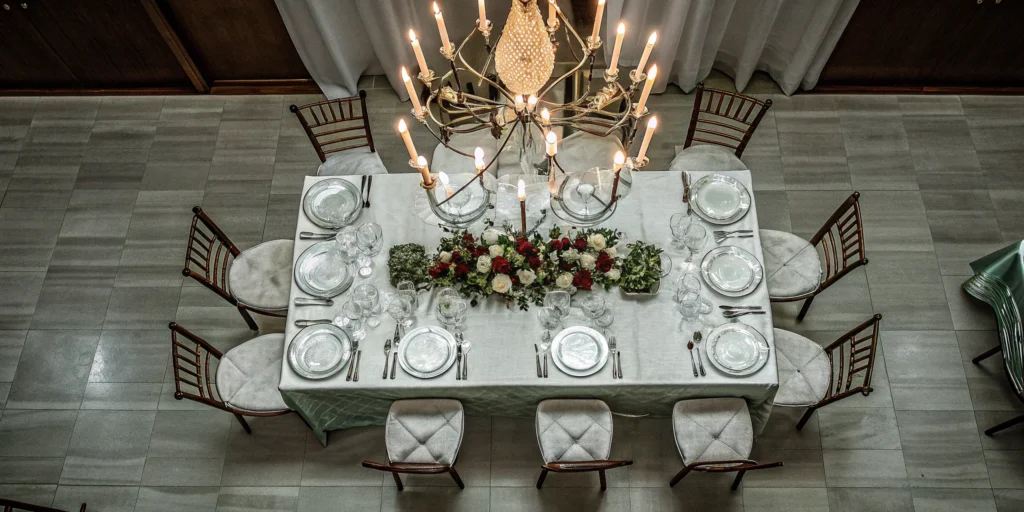

The words you put on an invitation are powerful. They are the first impression your guests have of the evening you’re planning, setting immediate expectations for everything from what to wear to the overall vibe of the night. Using “gala” and “banquet” interchangeably can lead to confusion and a disconnect between your vision and your guests’ experience. One implies a glamorous, entertainment-filled production, while the other suggests a more formal, meal-centric gathering. Getting the gala vs banquet distinction right is crucial for clear communication. It ensures everyone arrives feeling confident, appropriately dressed, and ready for the specific type of event you’ve worked so hard to create. Let’s explore what each term truly means for you and your attendees.
Key Takeaways
- Define Your Primary Goal First: A gala is the right format for a high-impact production like a major fundraiser or awards ceremony. A banquet is better suited for honoring individuals or celebrating milestones where the shared meal is the main event.
- Align the Vibe with Guest Expectations: Choose a gala when you want a formal, black-tie atmosphere centered on entertainment and glamour. Opt for a banquet when you need a more flexible format that can be adapted to anything from a corporate dinner to a relaxed holiday party.
- Build Your Program Around the Main Focus: A gala’s schedule is complex, revolving around entertainment, speakers, and fundraising activities. A banquet’s program is more streamlined, with planning centered on delivering an excellent dining experience that complements speeches or presentations.
Gala vs. Banquet: What’s the Real Difference?
When you’re planning a major event, the words “gala” and “banquet” get thrown around a lot, sometimes even used interchangeably. But they aren’t the same thing. Knowing the difference is key to setting the right tone, managing guest expectations, and ultimately, achieving your event’s goals. Let’s break down what truly separates these two formal functions so you can choose the perfect format for your next big occasion.
What Is a Gala?
Think of a gala as the black-tie affair of the event world. It’s a sophisticated, high-end social event centered around a special occasion or celebration. Galas are often held as fundraisers for charities, to commemorate a company milestone, or for prestigious award ceremonies. While a meal is always part of the evening, the main focus is on the overall experience—the entertainment, the networking, and the celebratory atmosphere. The vibe is glamorous and festive, designed to make a big impression and honor a significant moment. We’ve helped plan many charity events that use a gala format to create an unforgettable and impactful evening for a great cause.
What Is a Banquet?
A banquet, on the other hand, is all about the meal. It’s a large, formal feast organized to celebrate an occasion or honor a specific person or group. You might attend a banquet for a wedding reception, a corporate awards dinner, or an annual holiday party. The structure of the event is built around the dining experience, which typically involves multiple courses served to seated guests. While there might be speeches or light entertainment, the elaborate meal is the undeniable star of the show. The atmosphere is formal and structured, but its primary purpose is to bring people together over a shared meal.
Clearing Up Common Misconceptions
It’s easy to see why people get these two terms mixed up—both are formal, seated events with a meal. The most common misconception is that they are just different words for the same thing. The real distinction lies in the primary focus. A banquet is fundamentally a meal; a gala is a celebratory social event that includes a meal. At a banquet, the program revolves around the courses being served. At a gala, the dinner is just one component of a larger production that might feature live bands, auctions, or elaborate presentations. Understanding this difference is the first step in our event planning process to ensure your vision comes to life perfectly.
Breaking Down the Key Differences
While both galas and banquets feature a fantastic meal, their core structure and what they aim to achieve are quite different. Understanding these distinctions is the first step in deciding which format is right for your next big event. Let’s look at the main ways they differ in purpose, atmosphere, and focus.
Event Purpose and Goals
The biggest question to ask is: why are you hosting this event? A gala is typically a high-profile affair with a very specific, grand purpose. It’s the perfect format for a major fundraiser, an awards ceremony, or celebrating a huge company milestone. The goal is often to make a big impression and commemorate a significant achievement. Banquets, on the other hand, are more versatile. While they can certainly be celebratory, their purpose is broader. They are often held to honor an individual, gather a team for a holiday party, or host a large meal for a conference, making them a great option for many private events.
Formality and Atmosphere
Imagine the vibe you want your guests to experience. A gala is all about elegance and sophistication. The dress code is almost always black-tie, meaning tuxedos and floor-length gowns are the norm. The atmosphere is intentionally upscale and glamorous, creating a truly special, memorable night. Banquets offer much more flexibility. The formality can range from black-tie optional to business casual, depending entirely on the occasion. This allows for a more relaxed and comfortable atmosphere where the focus might be more on conversation and connection than on pomp and circumstance. The right atmosphere is crucial for any successful corporate event.
Entertainment vs. Dining: The Main Focus
What do you want to be the main event of the evening? For a gala, entertainment is a central pillar of the experience. The night follows a structured schedule that might include a live band, special performances, keynote speakers, or an awards presentation. The meal is an important part of the evening, but it supports the main program. At a banquet, the meal is the main event. The primary focus is on the dining experience and the social interaction around the tables. While there might be speeches or a short presentation, they are usually secondary to the feast and fellowship. We can help you build the perfect program, whether it’s for an elaborate gala or an intimate banquet.
What Should You Wear to a Gala vs. a Banquet?
Deciding on an outfit can be one of the most fun—or stressful—parts of attending a big event. The invitation lands, and the first question is always, “What am I going to wear?” The key to getting it right is understanding the event you’re attending. A gala and a banquet might sound similar, but when it comes to the dress code, they can be worlds apart. Knowing the difference will help you show up feeling confident and perfectly dressed for the occasion. Let’s break down the expected attire for each so you can focus on enjoying your night out.
Dressing for a Gala
When you see “gala” on an invitation, think glamour and sophistication. The dress code is almost always formal, typically black-tie. This is your moment for a red-carpet-worthy look. For men, this means a classic tuxedo is the standard. For women, it’s all about elegant evening gowns—long, flowing dresses in luxurious fabrics are the perfect choice. The atmosphere of a gala is designed to be upscale and impressive, so your attire should match that energy. This isn’t the time to play it safe; it’s an opportunity to embrace high-end fashion and truly dress to the nines. Think of it as a night of pure elegance.
What to Wear to a Banquet
Unlike a gala, the dress code for a banquet can be much more varied. The attire really depends on the event’s purpose. Is it a corporate awards dinner, a wedding reception, or a graduation celebration? The invitation is your best guide here, so be sure to check for terms like “semi-formal” or “business casual.” For a semi-formal banquet, a cocktail dress or a sharp suit would be appropriate. If it’s a more relaxed business event, you might opt for a stylish blouse with trousers or a skirt. The key is to match the tone of the occasion. You have more flexibility, but it’s still important to look polished and respectful of the event you’re attending.
The Dining Experience: Gala vs. Banquet
When it comes to food, both galas and banquets aim to impress, but they do so in very different ways. The dining style is one of the most significant distinctions between the two events, directly shaping the guest experience, the flow of the evening, and the overall atmosphere. A gala treats the meal as a centerpiece of the entertainment, while a banquet uses the meal to support the event’s primary purpose, like an awards presentation or a keynote speech. Understanding these differences in menu and service will help you decide which format best suits your event’s goals and your guests’ expectations.
Gala Menus and Service Style
A gala dinner is a culinary performance. The focus is on creating a sophisticated, multi-course meal that feels like a special occasion. Guests are typically treated to a formal, plated dinner that includes elegant appetizers, a gourmet main course, and a decadent dessert. Premium beverages, such as fine wines or champagne, are often carefully selected to complement each course. The service itself is part of the experience, with guests seated at beautifully decorated round tables that encourage conversation. Every detail, from the place settings to the centerpieces, is curated to create a luxurious and celebratory atmosphere for your private event.
Banquet Courses and Presentation
Banquets, on the other hand, are built for flexibility and function. While the food is still a crucial element, the main goal is often to serve a large group efficiently without interrupting the event’s program. This is why you’ll see more variety in service styles, from a traditional plated meal to a more casual buffet or food stations. This adaptability makes banquets a great fit for many corporate events, from annual meetings to awards dinners. Seating can also vary, with long tables being just as common as round ones. The meal is designed to support the main agenda, ensuring guests are well-fed and ready for the speeches, presentations, or networking to come.
Entertainment and Event Flow
When you’re planning an event, the flow and entertainment are what truly shape the guest experience. This is one of the biggest distinctions between a gala and a banquet. A gala is designed to be a full-sensory experience, a production with multiple acts. A banquet, on the other hand, is more focused and streamlined, centering the program around the meal itself. Understanding how you want the evening to unfold will point you directly to the right format for your event.
Signature Gala Entertainment
Think of a gala as a meticulously choreographed show. The entertainment is a core part of the event’s DNA, not just an afterthought. We’re talking live bands that get everyone on the dance floor, captivating performances, or a high-profile keynote speaker. The event flow is structured to build energy throughout the night, often including a cocktail reception, a formal dinner, award presentations, and dedicated fundraising moments like a live auction. The entire evening is a carefully planned production designed to keep guests engaged, entertained, and inspired from the moment they walk in until the very last song.
The Typical Banquet Program
A banquet’s program is much more straightforward because its main focus is the meal and the message. While there might be some form of entertainment, it’s usually more low-key—perhaps some light background music during dinner or a single guest speaker. The flow is linear and efficient: guests arrive, find their seats, enjoy a plated or buffet-style meal, and listen to the planned speeches or presentations. The primary objective is to gather people for a specific purpose, like honoring an individual or making a company announcement, making it a popular choice for corporate events. The dining experience itself is the centerpiece, with the program built around it.
When to Host a Gala vs. a Banquet
Deciding between a gala and a banquet comes down to your event’s core purpose. While both involve a fantastic meal and a gathering of people, their goals, atmosphere, and flow are quite different. Think of it this way: are you aiming for a dazzling, high-energy spectacle with a specific mission, or a more formal, structured celebration centered around a meal and a program? Answering that question is the first step to choosing the right format for your occasion and ensuring your guests have an unforgettable experience.
Occasions That Call for a Gala
A gala is your go-to for making a grand statement. These are typically high-end, formal events designed to celebrate a major milestone or support a significant cause. Think of annual charity fundraisers, prestigious award ceremonies, or a company’s landmark anniversary. The atmosphere is all about elegance and excitement, often featuring live entertainment, dancing, and auctions. If your goal is to create a memorable, high-profile evening that generates buzz and encourages generous donations, a gala provides the perfect, glamorous backdrop. These are the events where you pull out all the stops to achieve an ambitious fundraising or celebratory goal.
Events Best Suited for a Banquet
Banquets are the perfect choice for honoring individuals, celebrating achievements, or hosting formal gatherings where the meal and program are the main attractions. While still elegant, they are often more structured than galas. Picture a corporate awards dinner, a university graduation celebration, or a holiday party. The focus is on bringing people together for a seated feast, often accompanied by speeches, presentations, and toasts. Banquets excel at creating a sense of community and shared purpose, making them ideal for corporate events where you want to acknowledge team success or present important information in a refined setting.
Choosing a Format for Fundraising
When fundraising is your primary objective, the choice between a gala and a banquet depends on your strategy. A gala is built for high-impact fundraising. Its celebratory, entertainment-focused nature creates an environment where guests are primed for generosity, making it ideal for live auctions and pledge drives. A banquet, on the other hand, can also be an effective fundraiser, but it usually takes a more direct approach. It’s better suited for events where the program focuses on educating guests about a cause through powerful speeches, leading up to a more straightforward request for support. Your decision depends on whether you want to inspire giving through a spectacular experience or a focused, heartfelt presentation.
How to Choose the Right Format for Your Event
Picking between a gala and a banquet isn’t just about choosing a name; it’s about aligning the entire event with your vision. The right format sets the tone, manages guest expectations, and ultimately determines whether you hit your goals. Think of it as building the foundation for a memorable experience. To make the best choice for your occasion, let’s walk through three key areas you need to consider. This will help you clarify your needs and select a format that truly fits.
Define Your Event’s Purpose
First, what is the “why” behind your event? Your primary goal is the most important factor. A gala is typically reserved for high-profile occasions like a major company anniversary, an awards ceremony, or a significant fundraiser. The focus is on celebration, prestige, and raising funds for a cause. A banquet, however, is much more versatile. It’s a large, celebratory meal that can be adapted for anything from a corporate holiday party to a wedding reception. Clarifying whether your main objective is to celebrate, honor, or fundraise will immediately point you in the right direction for your corporate events.
Consider Your Guest Experience
How do you want your guests to feel when they walk in? The atmosphere you want to create is a huge piece of the puzzle. A gala is inherently formal and sophisticated, almost always calling for a “black-tie” dress code. This creates an elegant, red-carpet feel that makes the evening feel exclusive and special. A banquet offers more flexibility. You can set the tone anywhere from semi-formal to business casual, which can foster a more relaxed and conversational vibe depending on the occasion. Thinking about the desired energy and interaction among your guests will help you decide which atmosphere is the best fit for your event.
Factor in Your Budget and Venue
Let’s talk about the practical side: your budget and where you’ll host. Galas generally come with a higher price tag. The costs add up with the need for a grand venue, elaborate decor, fine dining, and top-tier entertainment. You’re paying for a premium experience. Banquets, on the other hand, can be more budget-friendly. They can be hosted in a wider variety of locations, including hotels or dedicated banquet halls, giving you more control over spending. Being realistic about your budget from the start will help you choose a format that you can execute beautifully. We can help you learn more about finding the perfect venue that aligns with your vision.
Planning a Gala vs. a Banquet
When you get down to the nuts and bolts of planning, the path for a gala and a banquet can look quite different. The purpose of your event is the single biggest factor that will shape your timeline, venue choice, and staffing needs. Understanding these differences from the start helps you make smarter decisions and create a seamless experience for your guests.
Key Differences in Timelines and Logistics
The timeline for a gala is often more extensive because its purpose is usually more complex. Galas are typically built around fundraising, awards ceremonies, or major announcements, which adds extra layers to your to-do list. You’ll need to account for tasks like securing sponsorships, coordinating with award recipients, managing ticket sales, and planning intricate entertainment. In contrast, a banquet is generally a more straightforward gathering or celebration. While it still requires careful planning, the logistics are more focused on the dining experience and guest list, allowing for a potentially shorter lead time. You can learn more about how we tailor our planning process to fit your event’s specific goals.
Venue and Space Requirements
The venue sets the entire tone for your event, and the choice for a gala versus a banquet reflects their different atmospheres. A gala calls for a setting with a certain “wow” factor—think grand ballrooms, historic landmarks, or upscale hotels. The space itself is part of the elegant experience. Banquets, however, offer more flexibility. They can be hosted beautifully in a variety of places, including hotel event spaces, conference centers, or dedicated banquet halls. The right venue for your banquet depends more on your guest count, budget, and the specific style of your celebration. We have experience transforming all types of private events spaces across NYC to match our clients’ visions.
Staffing and Day-Of Coordination
While both events demand a professional touch, the day-of coordination has a different focus. For a gala, the event flow is often a tightly choreographed production involving multiple moving parts like live auctions, keynote speakers, and performers. Your team needs to be adept at managing a complex schedule and handling high-pressure moments with grace. At a banquet, the coordination is centered on impeccable hospitality and service. The primary goal is to ensure the meal is served flawlessly, toasts are timed perfectly, and the program flows smoothly from one element to the next. An experienced team makes all the difference in ensuring every detail is executed perfectly, allowing you to relax and enjoy the occasion.
Which Format Will Achieve Your Goals?
Choosing between a gala and a banquet is about more than just picking a name; it’s about aligning the event’s structure with its purpose. The format you select directly influences your guests’ experience, the overall atmosphere, and whether you hit your objectives. Whether you’re planning a corporate milestone or a charity fundraiser, understanding how each format works is key to creating an event that resonates with your audience and leaves a lasting impression. Let’s look at how each choice helps you set the right tone and create a memorable experience.
Set the Right Guest Expectations
The moment you label your event a “gala” or a “banquet,” you’re sending a clear message to your guests. A gala immediately signals a high-end, formal affair. Think black-tie dress codes, elegant decor, and an atmosphere of prestige. This is the right choice for celebrating major company anniversaries, hosting award shows, or holding a major fundraiser where you want to create a sense of occasion. In contrast, a banquet offers more flexibility. It’s centered around a large meal but can range from formal to business casual, making it suitable for anything from a wedding reception to a corporate luncheon. This versatility allows for a more relaxed vibe if that’s what your private event calls for.
Make Your Event Unforgettable
How do you want your guests to remember the night? A gala makes its mark with a structured, entertainment-focused program. The experience is built around more than just the meal. It often includes live music, special performances, or keynote speakers, with multi-course, gourmet meals and premium drinks enhancing the sophisticated atmosphere. The dining is an elegant part of a larger production. A banquet, on the other hand, puts the focus squarely on the dining experience and social interaction. While it can include speeches or awards, the program is generally more flexible. The meal itself—whether a buffet or a plated service—is the main event, creating a warm, communal feel that encourages conversation and connection among guests.
Related Articles
- How to Plan a Black Tie Gala: The Ultimate Guide
- The Top Black Tie Gala Planners NYC Has to Offer
- 4 Food & Beverage Ideas for Your New York Gala
Frequently Asked Questions
What’s the one key question I should ask myself to decide between a gala and a banquet? Ask yourself this: Is the meal the main event, or is it just one part of a larger production? If your evening is built around the dining experience and conversation, you’re planning a banquet. If the meal is just one component of a bigger show that includes performances, auctions, or elaborate presentations, then you’re planning a gala. This simple question cuts right to the heart of the matter and will guide all your other decisions.
Can I host a gala on a tight budget? While galas are typically more expensive due to their focus on high-end entertainment and decor, it’s not impossible. The key is to be strategic. You might choose a more intimate venue, focus on one standout performer instead of a full band, or simplify the menu without sacrificing quality. A banquet is generally more budget-friendly because its format is more flexible, but a well-planned, focused gala can still make a big impression without an unlimited budget.
Which format is actually better for fundraising? Neither is universally “better”—it depends entirely on your fundraising strategy. A gala is designed for high-energy, spectacle-driven giving. The glamorous atmosphere and entertainment create an environment where guests are excited to participate in live auctions and make significant pledges. A banquet is better suited for a more intimate, story-driven appeal. It allows you to capture your audience’s full attention for a powerful presentation or speech that connects them directly to your cause.
Can I mix elements of both a gala and a banquet? Absolutely. These definitions are a framework, not a set of strict rules. You can certainly host a banquet that features a fantastic live band or plan a gala with a more relaxed, buffet-style meal. The most important thing is to be clear about your vision from the start. This ensures that every element, from the venue to the entertainment, feels cohesive and that your invitations set the right expectations for your guests.
My banquet invitation doesn’t specify a dress code. What should I wear? When an invitation is vague, it’s always best to err on the side of being slightly overdressed. For most banquets, “semi-formal” or “cocktail attire” is a safe and appropriate choice. For women, this could be a stylish cocktail dress or a chic jumpsuit. For men, a suit and tie is a classic option. If you’re still unsure, try looking up photos from the organization’s past events to get a feel for the typical level of formality.
