


When you’re planning a major event, your checklist is a mile long: venue, catering, lighting, decor. But what about the sound? It’s an element that guests only notice when it goes wrong—a screech of feedback during a keynote or muffled music during a reception can ruin the atmosphere. Understanding the basics of
live sound engineering is crucial for any event planner. Knowing what a sound engineer does and why they are essential helps you hire the right person and collaborate effectively. This ensures your event not only looks amazing but sounds incredible, leaving a lasting positive impression on every single attendee.
Key Takeaways
- Success is a mix of tech and people skills: Beyond knowing the gear, a top-tier sound engineer needs excellent communication and problem-solving abilities to work seamlessly with event planners, performers, and the entire production crew.
- Experience is your most valuable asset: The path into live sound is paved with hands-on work, so start by volunteering, interning, and networking to build a reputation for reliability and a portfolio of real-world event experience.
- Prepare for a demanding but rewarding career: Live sound is not a typical 9-to-5 job; it requires physical stamina, the ability to stay calm under pressure, and the business sense to manage a freelance career.
Understanding Live Sound Engineering in Event Settings
Ever been to a concert, conference, or gala where the sound was so clear and powerful it gave you goosebumps? You can thank a live sound engineer for that. Live sound engineering is the art and science of mixing, amplifying, and balancing audio for any live event. It’s about ensuring the audience hears every word of a keynote speech and every note of a musical performance with perfect clarity.
Engineers are the behind-the-scenes experts responsible for setting up complex sound systems, managing audio levels in real-time, and making sure the sound experience is flawless for both the people on stage and everyone in the audience. From intimate private parties to large-scale corporate events, the sound engineer is a crucial part of the team that makes the magic happen.
Core Responsibilities of a Sound Engineer at Events
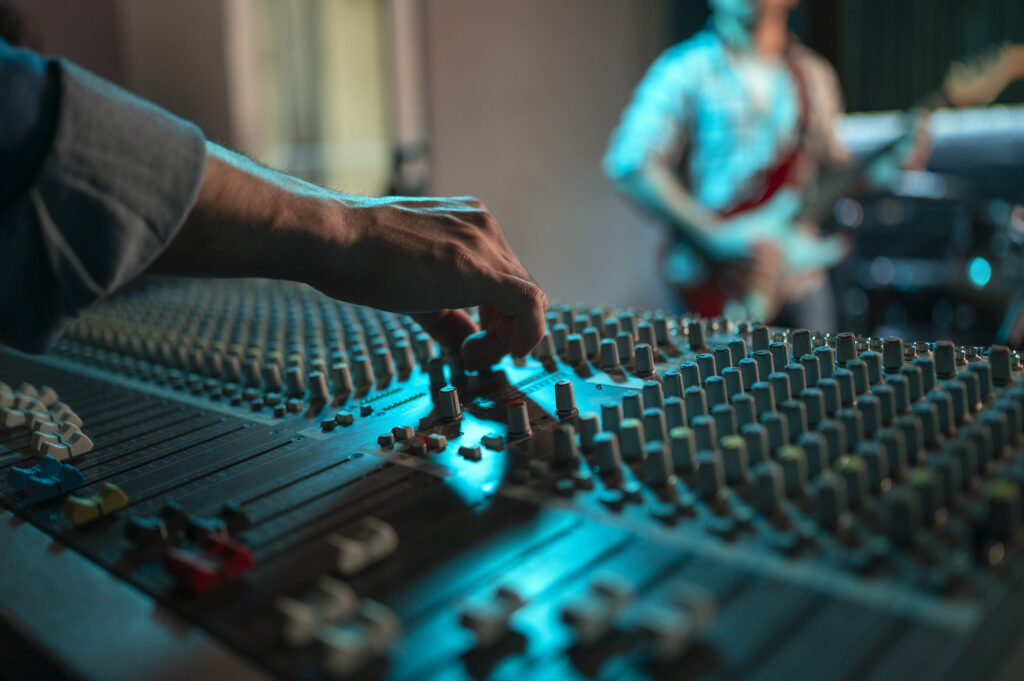
At any live show, the sound engineer is in control of the entire auditory experience. Their main tool is the mixing console, a complex board of faders, knobs, and buttons that allows them to shape the sound. They adjust the volume of individual microphones and instruments, balance how all the different sounds blend together, and fine-tune the tonal quality (known as EQ) to make everything sound crisp and clear. A great engineer can make a good performance incredible, but poor sound can completely ruin an otherwise amazing event. They are the critical link between the performers and the audience, ensuring the artist’s vision is translated perfectly through the speakers.
Key Differences Between Front of House and Monitor Roles
In most professional live sound settings, you’ll find two distinct engineering roles. The Front of House (FOH) engineer is positioned out in the audience and is responsible for the main mix that everyone hears. They are focused entirely on the audience’s experience. On the other hand, the Monitor Mix Engineer is typically located on the side of the stage. Their job is to create custom audio mixes for the performers, which are sent to their on-stage speakers (monitors) or in-ear headphones. This mix helps the performers hear themselves and each other clearly, which is essential for a tight performance.
Debunking Common Misconceptions in Live Sound Engineering
Many people think live sound is a purely technical job, but it’s incredibly creative and rewarding. Engineers often thrive on the thrill of a live show and the challenge of troubleshooting problems on the spot. However, it’s not always a glamorous career. A common myth is that it’s one big party, but the reality often involves long, unpredictable hours and significant time away from home. Another misconception is that you don’t need formal education. While hands-on experience is vital, many employers now prefer candidates with a degree or certificate from a music production program, as it provides a strong foundational knowledge of audio principles.
Daily Duties of a Live Sound Engineer in Action
When you think of a live sound engineer, you might picture someone behind a massive console, pushing faders and turning knobs. While that’s part of the job, their role is far more comprehensive and crucial to the success of any live event. They are the technical wizards who ensure every word from a speaker is crisp and clear, and every note from a band hits with perfect impact. From the initial setup to the final breakdown, a sound engineer is a problem-solver, an artist, and a technician all rolled into one, making sure the auditory experience is flawless for everyone in the room.
Set Up and Test Equipment
Long before the first guest arrives, the live sound engineer is hard at work. Their day begins with installing and optimizing the entire sound system. This involves strategically placing speakers for the best coverage, running miles of cables, and setting up microphones for presenters and performers. A huge part of this process is the soundcheck, where they test every single input and output to catch potential issues. According to Berklee, a live sound systems engineer is responsible for the full lifecycle of the audio gear, from setup to maintenance and breakdown. This foundational work is what makes a seamless audio experience possible.
Mix During the Performance
Once the event is live, the engineer transitions into their role as a mix engineer. This is where the artistry comes in. Using a mixing console, they actively control the sound of the performance in real-time. Their job is to adjust the volume, balance the blend of different sounds, and fine-tune the tonal quality (EQ) of each microphone and instrument. A skilled live sound mix engineer ensures that the CEO’s keynote is powerful and clear, the background music sets the right mood, and the live band sounds perfectly balanced. They are constantly listening and making subtle adjustments to create the best possible sound for the audience.
Troubleshoot Tech Issues on the Fly
Live events are unpredictable, and technical glitches are always a possibility. A great sound engineer remains calm under pressure and can solve problems in seconds. One of the most common issues is feedback—that awful, high-pitched squeal that can ruin a moment. An engineer must identify the source and eliminate it instantly without disrupting the show. As one introduction to live sound explains, this quick thinking is essential to protect the audience’s hearing and maintain the event’s professional atmosphere. This ability to troubleshoot on the fly is a non-negotiable skill for anyone in the field.
Work with Different Event Types
The audio needs for a corporate conference are vastly different from those for a wedding band or a charity gala. A live sound engineer must be versatile enough to adapt their skills to any environment. For a panel discussion, their focus is on vocal clarity and ensuring multiple speakers can be heard distinctly. For a high-energy trade show or product launch, they might be managing background music, presenter mics, and video audio simultaneously. This adaptability makes them an essential partner for any type of private event, ensuring the sound is perfectly tailored to the occasion.
Collaborate with Event Planners and Vendors
A sound engineer never works in a silo. They are a key part of a larger production team and must communicate effectively with event planners, lighting designers, stage managers, and the performers themselves. Building strong professional relationships is critical, as much of their work comes from word-of-mouth referrals and a reputation for being reliable and easy to work with. This collaborative spirit ensures that the audio elements are perfectly integrated with all other aspects of the event, creating a cohesive and memorable experience for every attendee.
Must-Have Skills for Thriving in Live Sound Engineering
Becoming a great live sound engineer is about more than just loving music or tech gadgets. It’s a unique blend of technical know-how, scientific understanding, and surprisingly, people skills. You’re the person responsible for the entire auditory experience of an event, whether it’s a corporate conference, a charity gala, or a high-energy concert. This means you need a solid foundation of skills to build upon. The good news is that these are all things you can learn and develop over time. Let’s break down the core competencies you’ll need to focus on as you start your career journey.
Essential Tech Skills for Beginners
At the heart of your job is the mixing console. Think of it as your command center. A live sound mix engineer uses this board to control everything the audience hears. You’ll be in charge of adjusting the volume of different microphones and instruments, creating the right balance so nothing gets drowned out, and tweaking the tonal quality (or EQ) to make everything sound crisp and clear. Getting comfortable with signal flow, microphones, and speakers is your first big step. It might seem intimidating, but every pro started by learning these fundamentals. The more you practice, the more intuitive it becomes.
Understand Acoustics and Audio Theory
Why does a band sound different in a small club versus a huge auditorium? The answer is acoustics, which is simply the science of how sound behaves in a space. A deep understanding of acoustics is what separates a good engineer from a great one. You need to know how to walk into any venue—from a hotel ballroom for a corporate event to an outdoor festival stage—and design a sound system that works with the environment, not against it. This knowledge helps you anticipate problems like feedback or echoes and place speakers effectively to ensure everyone in the audience has a fantastic listening experience.
Hone Your Communication and Teamwork Skills
You might spend a lot of time behind a console, but live sound is not a solo gig. You are a crucial part of a larger production team. Events involve long hours working closely with performers, stage managers, lighting designers, and event planners. That’s why having good people skills is non-negotiable. You need to be able to communicate clearly, listen to the needs of the artists, and collaborate effectively with the crew. Knowing when to offer your expertise and when to simply listen is a skill that will earn you respect and repeat business throughout your career.
Balancing Education and Real-World Practice in Sound Engineering
There’s a classic debate in this field: Is it better to go to school or learn on the job? The truth is, you really need both. While nothing can replace hands-on experience, many employers today prefer candidates who have some formal training in music engineering or production. A degree or certificate program can provide a structured understanding of audio theory and technology that can be hard to pick up on your own. It gives you a strong foundation to build upon. The ideal path combines formal education with real-world practice through internships, volunteering, or working for local production companies.
Adapt to New Technology
The world of audio technology is constantly changing, and your education never really ends. To stay relevant, you have to be curious and willing to learn about the latest gear and software. Emerging technologies like immersive spatial sound, AI-assisted mixing tools, and advanced networked audio systems are transforming the industry. A successful engineer is a lifelong learner who gets excited about new tools that can help them create even better live experiences. Embracing this evolution will not only make you better at your job but also open up new career opportunities down the road.
Steps to Launch Your Career in Live Sound Engineering
Getting your start in the live sound industry is less about a perfect resume and more about proving you can handle the work. It’s a field built on practical skills, trust, and a strong network. If you’re ready to put in the effort, you can build a solid reputation and a rewarding career. The path isn’t always linear, but it starts with getting your hands on the gear and meeting the right people. Here’s how you can begin making your mark.
Get Hands-On Experience
There is simply no substitute for real-world experience. The best way to learn is by doing, so your first goal should be to get near a mixing board. Start local. Reach out to bands in your area and offer to help them with their shows. This could mean assisting with load-in, helping set up equipment, or just being an extra set of hands during soundcheck. Small venues, houses of worship, and community theaters are also fantastic places to learn. You’ll gain a fundamental understanding of signal flow, microphone placement, and the general pace of a live event. This initial experience is where you’ll build the foundation for everything else.
Find Internships and Entry-Level Jobs
Once you have a little hands-on time under your belt, start looking for more formal opportunities. Many seasoned engineers began their careers by interning or taking on entry-level roles at production companies or established venues. Be prepared that some of these initial positions might offer little to no pay; think of them as an extension of your education. You’re trading your time for invaluable knowledge and the chance to learn directly from professionals. These roles are your ticket to working on larger corporate events and productions, where you can observe how complex systems are managed and build connections that will lead to paid work.
Network Effectively in the Industry
The live sound world runs on relationships. Most jobs are found through word-of-mouth, so building a strong professional network is essential. When you’re at a venue, introduce yourself to the house sound engineer. Be respectful of their time, ask thoughtful questions, and make yourself useful. Your goal is to become known as someone who is reliable, eager to learn, and easy to work with. Attending industry gatherings is another great way to meet key players. Events like The Event Planner Expo bring together professionals from every corner of the event world, giving you a chance to connect with the people who hire for gigs.
Essential Resources for Aspiring Sound Engineers
While nothing beats hands-on training, some formal education can give you a competitive edge. Many employers appreciate candidates who have a degree or certificate in music production or audio engineering. These programs provide a structured environment to learn the theory behind the practice, from acoustics to electronics. Look for a live sound engineering program that emphasizes practical application, giving you immediate access to mixing boards, microphones, and speakers. Combining formal knowledge with your real-world experience will make you a more well-rounded and capable engineer.
Build Your Professional Portfolio
Your portfolio as a sound engineer isn’t a collection of documents; it’s a summary of your experience. Start keeping a detailed log of every event you work on. Note the venue, the type of event, the equipment you used, and your specific role. If you have a great show, ask the band, artist, or event manager for a quick testimonial. This record of your work demonstrates your capabilities and reliability far more effectively than a traditional resume. It shows potential employers that you have practical skills in setting up gear, troubleshooting issues, and managing the pressures of a live environment.
Navigating the Challenges of a Live Sound Career
A career in live sound is incredibly rewarding, but it’s not all rock shows and after-parties. Like any demanding job, it comes with its own set of challenges. Understanding the full picture—the good, the tough, and the physically taxing—is the best way to decide if this path is right for you. It’s about more than just loving music; it’s about having the resilience, business sense, and dedication to build a sustainable career in a fast-paced environment. Let’s get real about what it takes to thrive behind the mixing board.
Handle Pressure During Live Shows
When the show starts, all eyes are on the stage, but the responsibility for what the audience hears rests squarely on your shoulders. There are no do-overs in a live event. You need to be completely focused, because during the show, you’ll constantly adjust the sound as the performance happens. This requires a great ear and some seriously quick thinking to solve problems in real time. Whether it’s feedback from a microphone or a sudden drop in a monitor, you’re the one everyone looks to for an instant fix. Staying calm and professional under pressure is non-negotiable and is a key part of making any live production a success.
The Truth About Freelancing
While some sound engineers work in-house for venues or production companies, many are self-employed. This freedom is a huge perk, but it also means you’re running a business of one. Most live sound engineers work for themselves, which means you’ll also need to handle your own business tasks like invoicing, marketing, managing your schedule, and taking care of your own accounting and insurance. You have to be disciplined and organized to balance finding gigs with executing them flawlessly. Being a great engineer is only half the job; being a smart business owner is the other.
The Physical Demands of the Job
This career is far from a desk job. You’ll be on your feet for long hours, often working late nights, weekends, and holidays. The work itself can be physically strenuous. The job involves a lot of heavy lifting of speakers, consoles, and road cases, which can lead to back problems if you’re not careful. Plus, you’re surrounded by high-volume audio for hours at a time. Being around loud music constantly can cause permanent hearing damage, so investing in high-quality ear protection and learning safe listening habits is essential from day one.
Plan Your Finances and Career Path
Breaking into the live sound industry often requires paying your dues. The path isn’t always a straight line, and the initial pay can be low as you build your reputation. Many aspiring engineers start by interning or helping experienced professionals for little or no pay just to learn on the job. This means you’ll need a solid financial plan to support yourself while you gain experience. It’s a good idea to have savings or a flexible part-time job as you get started. This initial investment of time and effort is what builds the foundation for a long-term, successful career.
Embracing Ongoing Learning in Audio Technology
The technology in the audio world changes at lightning speed. The mixing console you learn on today might be outdated in a few years. To stay relevant and in-demand, you have to be a lifelong learner. While formal education can provide a great theoretical base, there’s no substitute for hands-on experience working with different types of mixing boards and gear. You should always be curious, seeking out opportunities to learn new software, understand new equipment, and refine your techniques. The best engineers are the ones who never assume they know it all.
Determining If Live Sound Engineering Fits Your Lifestyle
So, you’ve learned what the job entails and what skills you need to build. Now comes the big question: Is this career path truly for you? This isn’t just about loving music or tech; it’s about embracing a unique and demanding lifestyle. Let’s walk through what it really means to be a live sound engineer so you can decide with your eyes wide open.
Assess Your Fit for the Industry
Let’s be real: this career is a labor of love. If you’re looking for a standard 9-to-5 with a predictable schedule and a great work-life balance, this probably isn’t it. The job often involves long, unpredictable hours, and if you’re touring, you could be away from home for weeks at a time. This career is best for people who are genuinely passionate about live events and can handle a bit of chaos. You have to be adaptable, resilient, and ready to solve problems under pressure. If the thought of creating an incredible audio experience for a live audience gives you a thrill that outweighs the challenges, you’re on the right track.
Exploring Specialization and Growth in Live Sound
While breaking in can be tough, a career in live sound offers plenty of room to grow. Many engineers get their start by interning or assisting seasoned professionals, often for little pay, just to learn the ropes on the job. Once you have a solid foundation, you can start to specialize. You might find you love working as a monitor engineer for bands, a front-of-house engineer for corporate events, or a systems engineer for large-scale festivals. With the right skills, you could also branch out into related fields, working as a studio mixing engineer, a lighting tech, or even an acoustical consultant who designs sound systems for venues. The path isn’t always linear, but it’s full of possibilities.
Keeping Up with Trends in Audio Engineering
The world of audio technology is constantly changing, and as a sound engineer, you have to be a lifelong learner. What’s cutting-edge today will be standard tomorrow. Emerging technologies like spatial sound, AI-driven mixing, and networked audio systems are completely transforming how we experience live events. Staying curious and keeping your skills sharp is non-negotiable. Following industry publications and attending trade shows, like The Event Planner Expo, are great ways to see the latest gear and learn from the pros. A commitment to learning ensures you’ll always be a valuable asset on any production team.
Decide on Your Future with Confidence
Ultimately, deciding if this is the right career comes down to you. In this industry, experience is everything—there’s simply no substitute for getting your hands on a mixing board and working a real event. Your reputation and relationships are just as important as your technical skills, as many jobs come through word-of-mouth referrals. Start by seeking out opportunities to volunteer or work at local venues, theaters, or houses of worship. If you find yourself energized by the environment and eager to learn more, take it as a sign. Trust your gut, be persistent, and start building the connections that will shape your future.
Related Articles
- What is Sound Engineering? A Complete Career Guide
- Audio Visual and Event Production: A Complete Guide
Frequently Asked Questions
Do I need a professional sound engineer for a small corporate meeting or party?
Even for smaller events, a professional sound engineer can make a significant difference. Their job is to ensure that every announcement, presentation, and piece of background music is perfectly clear and set at the right volume. This prevents common issues like microphone feedback, uneven sound levels, or speakers who can’t be heard in the back of the room. It adds a layer of polish and professionalism that makes your event run smoothly.
What’s the difference between a live sound engineer and a DJ?
While both work with audio, their roles are quite different. A DJ is a performer who selects and plays recorded music to create a specific atmosphere or get people dancing. A sound engineer is a technician who manages all live audio sources. They focus on making sure that live elements—like a speaker’s microphone, a live band, or audio from a video—sound clear, balanced, and great for everyone in the audience.
What’s the best way to combine education and experience in live sound engineering?
The most successful engineers often do both. Formal education gives you a deep understanding of the science of sound, which is incredibly valuable for designing systems and solving complex problems. However, nothing can replace hands-on experience. Learning to mix in a real, unpredictable live environment is where you truly hone your skills. The ideal path combines structured learning with practical work at local venues or production companies.
What’s the biggest challenge a sound engineer faces during a live event?
The biggest challenge is managing the unexpected. In a live setting, anything can happen—a microphone can suddenly die, a cable can come loose, or a presenter might start speaking much softer than they did during soundcheck. A great engineer has to solve these problems instantly and discreetly, without the audience ever knowing there was an issue. It requires quick thinking and the ability to stay calm under pressure.
How does a sound engineer collaborate with an event planner?
They work together as a team to execute the event’s vision. The event planner communicates the schedule, the specific audio needs for each segment, and the overall goal of the event. The sound engineer then translates that information into a technical plan, selecting the right equipment and creating a strategy to ensure everything sounds flawless. Constant communication between them is the key to a seamless production.
Final Thoughts on a Career in Live Sound
Live sound engineering offers a dynamic blend of technical expertise and creative problem-solving, perfect for those who thrive in high-energy environments like concerts, conferences, and galas. If the thrill of flawless audio execution excites you, build your skills through hands-on experience and continuous learning. For event planners in NYC, seamless sound is key to success—consider partnering with professionals to elevate your productions.
Hire EMRG Media When the goal is impact, not just attendance, EMRG Media delivers. From corporate productions to once-in-a-lifetime celebrations, we handle the details so your event shines. Reach out to EMRG Media, and let’s start designing something exceptional.
