


Why Hybrid Event Planning Is Essential for Connecting Diverse Audiences
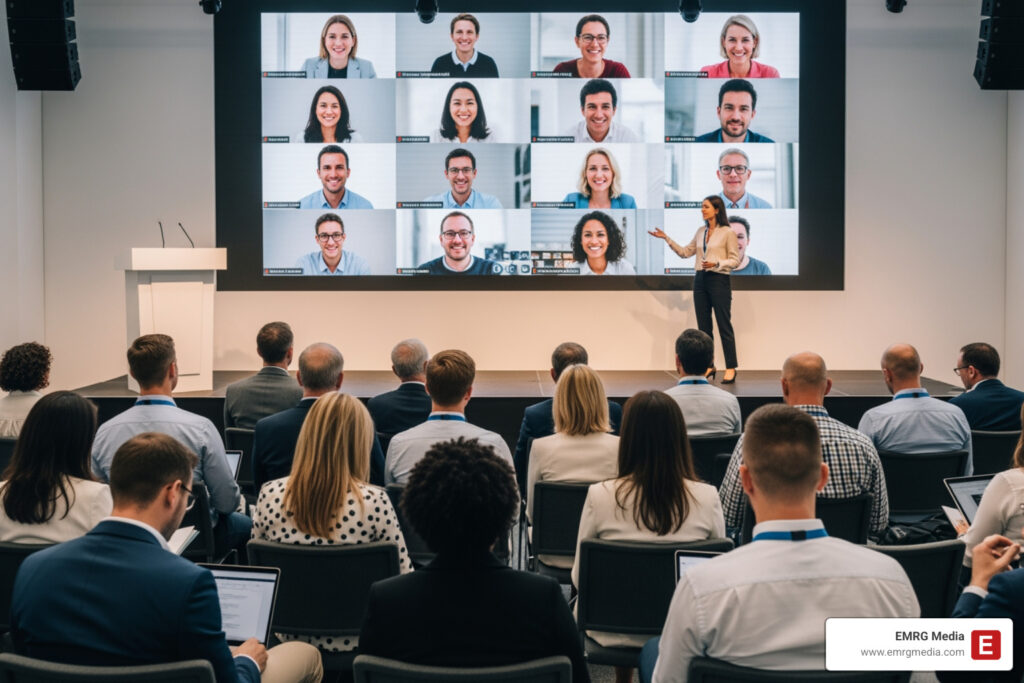
Hybrid event planning merges in-person and virtual experiences, letting attendees join onsite or remotely. This format has become the new standard, with the global virtual events market projected to grow at a CAGR of 20.0% from 2025 to 2030, according to Grand View Research. It’s not just about broadcasting a conference; it’s about creating meaningful engagement for everyone.
Core Elements of Hybrid Event Planning:
- Dual Audience Strategy: Engage both audiences simultaneously.
- Technology Integration: Use platforms that support streaming, networking, and interaction.
- Unified Experience: Create one cohesive event, not two separate ones.
- Increased Reach: Expand your audience beyond geographical limits.
The main challenge is connecting two distinct spaces into one seamless experience. This requires strategic planning, the right technology, and a deep understanding of how to engage dual audiences. Bridging this divide is the key to success.
I’m Jessica Stewart, VP of Marketing & Sales for EMRG Media. I’ve helped make The Event Planner Expo a leading conference by mastering hybrid strategies. In this guide, I’ll share proven tactics to help you create hybrid events that excel.
Building a Strong Strategic Base for Your Hybrid Event
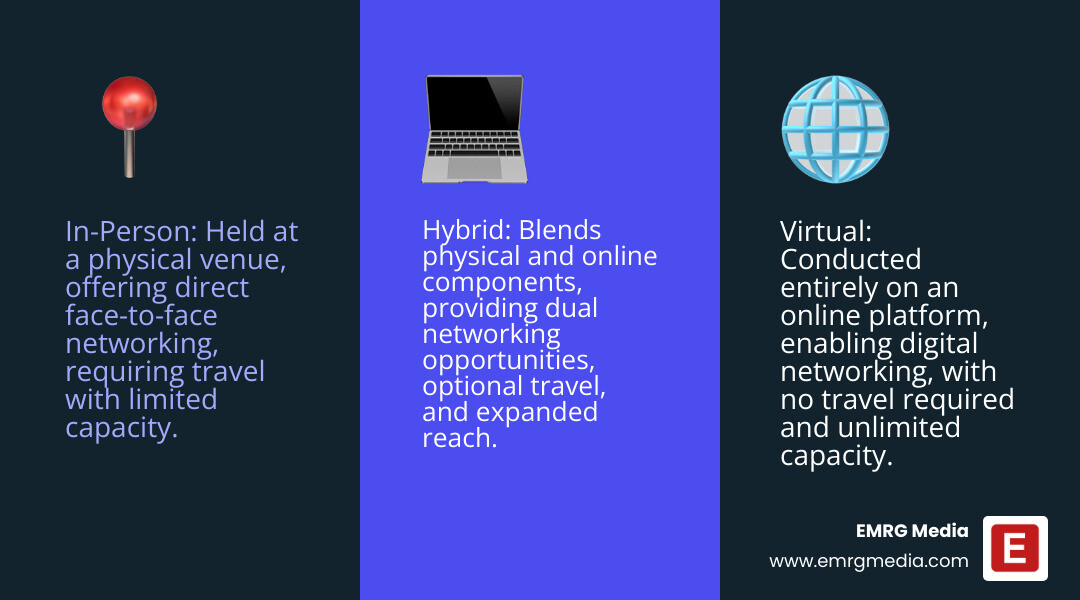
Before choosing platforms or designing swag, you need a solid strategic foundation. Hybrid events are complex and require a clear understanding of why you’re hosting one. Skipping this step leads to disconnected experiences that satisfy no one.

Start by defining your goals and objectives. Are you focused on lead generation, brand awareness, or community building? Be specific. “Generate 500 qualified leads” is a goal; “have a successful event” is not. Your objectives will guide every decision.
Next, focus on audience segmentation. You’re serving two distinct groups: in-person attendees who crave live energy and networking, and virtual participants who value flexibility and convenience. They want different things. Understand these preferences by sending pre-event surveys to ask what they hope to gain from the event. This information is invaluable for your hybrid event planning strategy.
Budgeting considerations for hybrid events can feel like planning two events at once. You have physical costs (venue, catering, staffing) and virtual costs (platform fees, streaming equipment, tech support). While hybrid events can require a larger upfront investment, they also offer the potential for higher ROI through expanded reach and sponsorship value. Be transparent with stakeholders about your budget and resource needs from the start.
For more on the basics, our guide on What is a Hybrid Event? is a great resource. To prepare for potential obstacles, see Navigating the Challenges of Hybrid Events.
Key Advantages of Using a Hybrid Event Model
Why tackle the complexity? The payoff is worth it.
- Increased Attendance & Global Reach: By removing geographical barriers, you open your event to a larger, more diverse audience than an in-person-only format could ever achieve.
- Sustainability: Offering a virtual option dramatically reduces the event’s carbon footprint from travel and venue operations. It’s a win for your event and the planet.
- Improved Content Engagement: Recording sessions for on-demand viewing extends your event’s impact long after it ends, allowing attendees to revisit or catch up on content.
- Increased Sponsorship Value: Sponsors gain exposure to both physical and digital audiences, which means double the brand visibility and lead generation opportunities.
For a deeper dive, our Hybrid Event Benefits Guide covers these advantages in detail.
Core Components of Your Hybrid Event Planning Strategy
With your “why” established, focus on the “how.”
- Content Strategy: Design presentations that work on screen and on stage, with dynamic visuals and frequent engagement. Ensure neither audience feels like an afterthought.
- Agenda Design: Use shorter sessions for virtual attendees, who have shorter attention spans. Build in flexible breaks and consider different time zones.
- Speaker Selection: Choose presenters who are comfortable engaging both a live audience and a camera. Speaker training on hybrid delivery can make a huge difference.
- Venue Selection: Your venue needs robust, reliable internet connectivity and the infrastructure to support live streaming and AV production.
- Technology Stack: This is the backbone of your event. It includes your streaming service, event platform, and networking tools. We’ll cover this more in the next section.
Our guide on How to Plan Hybrid Event walks you through every step.
Designing the Dual-Audience Experience
This is where hybrid event planning gets interesting. We’re not just hosting an event; we’re creating two parallel experiences that must feel like one unified celebration. The biggest challenge is preventing virtual attendees from feeling like an afterthought.

It’s about intentionally designing moments that bring both groups together. Remote participants deserve the same sense of connection and belonging as those on-site. This requires a “double effort” mindset, giving both audiences equal attention.
Boosting Engagement Across All Participants
Bridge the gap with interaction points that work for everyone.
- Live Polls and Q&A: These are game-changers. When both audiences can submit questions and see real-time results, everyone feels heard. Use a dedicated moderator for virtual questions.
- Gamification: Leaderboards and virtual scavenger hunts add fun and keep energy levels high for both audiences.
- Virtual Breakout Rooms: Give online attendees the chance for smaller, more intimate discussions, mirroring the natural networking of an in-person event.
- Integrated Networking Lounges: Set up on-site screens where in-person attendees can video chat with remote participants, literally bringing the two worlds together.
- Curated Swag Boxes: A carefully curated swag experience for virtual attendees creates a tangible connection to the physical event. It shows they matter.
Selecting the Best Tech for Seamless Hybrid Event Planning
Your technology choices can make or break your event. You’re not just picking a streaming service; you’re building the infrastructure for the entire experience.
Key features to look for include:
- All-in-One Platform: Find a solution that handles registration, live streaming, virtual lobbies, and on-demand content.
- Interactive Tools: The platform must have built-in polls, Q&A, and chat that work for both audiences.
- High-Quality Live Streaming: Non-negotiable. You need HD video and crystal-clear audio with minimal lag.
- CRM Integration: Automatically sync attendee data with your CRM to streamline follow-up and prove ROI.
- Mobile Event App: A central hub for both audiences, offering agendas, maps, and networking tools.
- Attendee Analytics: Track engagement from both groups to measure success and inform future events.
- Virtual Booths: Allow remote attendees to interact with sponsors and exhibitors, delivering value to all parties.
- Accessibility: Features like closed captioning and accessible design are essential. For more, see our resources on Disability Accommodations.
Our Best Hybrid Event Platforms guide can help you compare options and find the right fit.
Handling Marketing and Logistics in Hybrid Event Planning
Great hybrid event planning requires smart marketing and solid logistics to turn your plans into reality. You need to get the word out effectively and ensure the event day runs smoothly for both your in-person and virtual audiences.
We approach this by managing two “events” at once. For marketing, this means segmented messaging and tiered ticketing to appeal to each group’s unique interests. For logistics, it means juggling everything from on-site catering to the virtual help desk. This requires dedicated staffing roles and robust technical support for both the physical and digital experiences.
Effective Promotion Strategies for Your Hybrid Event
To ensure everyone knows about your event, use a multi-channel approach:
- Email Marketing: Craft campaigns with early bird discounts and speaker announcements to build buzz.
- Social Media Campaigns: Use platforms like LinkedIn and X to share teasers and behind-the-scenes content.
- Content Marketing: Create blog posts and videos that showcase your event’s value and speakers.
- Clear Registration Paths: Make it simple for attendees to choose between in-person and virtual options, with clear pricing and access details.
Managing Production and Operations on Event Day
On event day, your planning comes to life. Here’s how to manage it:
- Run of Show: This detailed script maps out every minute for both audiences, including transitions and technical cues.
- AV Production Checklist: Professional audio-visuals are essential. Your checklist must include multiple cameras, clear audio, reliable internet, and backup systems.
- Speaker Management: Prepare speakers for the hybrid format with tech checks and instructions on engaging both audiences.
- On-site Check-in: A smooth, friendly check-in process sets a positive tone for in-person guests.
- Virtual Help Desk: A dedicated chat support team is crucial for helping online attendees with technical issues, ensuring they feel supported.
This integrated approach ensures every participant has a high-quality experience. For a comprehensive guide, check out our Hybrid Event Production Guide.
Measuring Success and Proving ROI
The event isn’t over when the last session ends. Measuring success and proving Return on Investment (ROI) is a critical final step in the hybrid event planning process. This involves analyzing data and gathering feedback to demonstrate value and inform future events.
We conduct a thorough post-event analysis by examining Key Performance Indicators (KPIs) for both audiences. This data provides invaluable insights into what worked and where to improve.
Key metrics to track include:
- Attendee Engagement Scores: Did attendees participate in polls and Q&A? These metrics reveal what content resonated most.
- Lead Capture Rates: How many qualified leads were generated from in-person and virtual interactions? This directly ties your event to business outcomes.
- Sponsor ROI: We assess value by tracking virtual booth visits, lead generation, and brand visibility to show sponsors a concrete return.
- Geographic Reach: Analyze the reach of your virtual audience and compare engagement rates between the two groups to understand the true impact of going hybrid.
Modern platforms make it possible to track hundreds of event metrics from all attendees, which is essential for proving the value of your hybrid event planning.
Collecting Feedback to Enhance Upcoming Events
Data tells you what happened; feedback tells you why. Combining them gives you a complete picture.
- Post-Event Surveys: Distribute focused surveys to both audiences to gather feedback on their experience, content, and platform usability.
- Feedback Channels: Monitor social media and dedicated email addresses to capture organic, unfiltered reactions.
- Data Analysis: Combine quantitative data (analytics) with qualitative feedback (comments) to get a holistic view of event performance.
- Reporting to Stakeholders: Compile comprehensive reports that highlight achievements, lessons learned, and recommendations. This builds trust and demonstrates the value of your expertise.
Every event is a learning opportunity. The insights gained from this analysis become the foundation for planning for the next event, allowing you to continuously refine your process and deliver even more impactful experiences.
Frequently Asked Questions about Hybrid Events
You’re serious about mastering hybrid event planning, but you probably still have questions. Here are the three most common ones we encounter.
What is the biggest challenge of hybrid event planning?
The biggest challenge is making everyone feel like they’re at the same event. It’s easy for virtual attendees to feel disconnected. Connecting these two spaces into one unified experience requires more than just a camera on a stage; it demands a dedicated engagement strategy, high-quality production, and a strong technological backbone. With proper planning, this challenge is entirely manageable.
Are hybrid events more expensive than traditional events?
Yes, hybrid events can have higher upfront costs. You’re essentially running two events at once, with costs for a physical venue and a virtual platform, plus advanced AV technology. However, hybrid events often generate a significantly higher ROI. The expanded reach allows for more ticket sales, greater brand visibility, and more attractive sponsorship packages. Sponsors love getting exposure to both in-person and virtual audiences. So, while the initial investment may be higher, the returns often justify the cost.
How do you manage different time zones for a virtual audience?
This is a common puzzle, but several strategies work well:
- Offer On-Demand Content: Record all live sessions and make them available for on-demand viewing. This allows attendees in different time zones to watch at their convenience.
- Strategic Scheduling: Plan key live sessions at times that are reasonable for the largest segments of your virtual audience.
- Repeat Popular Sessions: Consider hosting highly interactive sessions more than once to accommodate major time zones.
- Regional Networking: Create dedicated virtual networking opportunities scheduled for different time zones to ensure everyone can connect.
The key is flexibility. Instead of forcing everyone into one schedule, create multiple pathways for engagement.
Bringing It All Together: Your Path to Successful Hybrid Events
Hybrid event planning is no longer a trend; it’s a core strategy for creating impactful, flexible, and inclusive experiences. By mastering the art of hybrid design, you can expand your reach, deepen engagement, and create lasting memories for every attendee, regardless of their location. Getting this right opens up new levels of value for your organization, building stronger connections and delivering results long after the event ends.
When the goal is impact, not just attendance, EMRG Media delivers. From corporate productions to once-in-a-lifetime celebrations, we handle the details so your event shines.
Reach out to EMRG Media, and let’s start designing something exceptional.
