

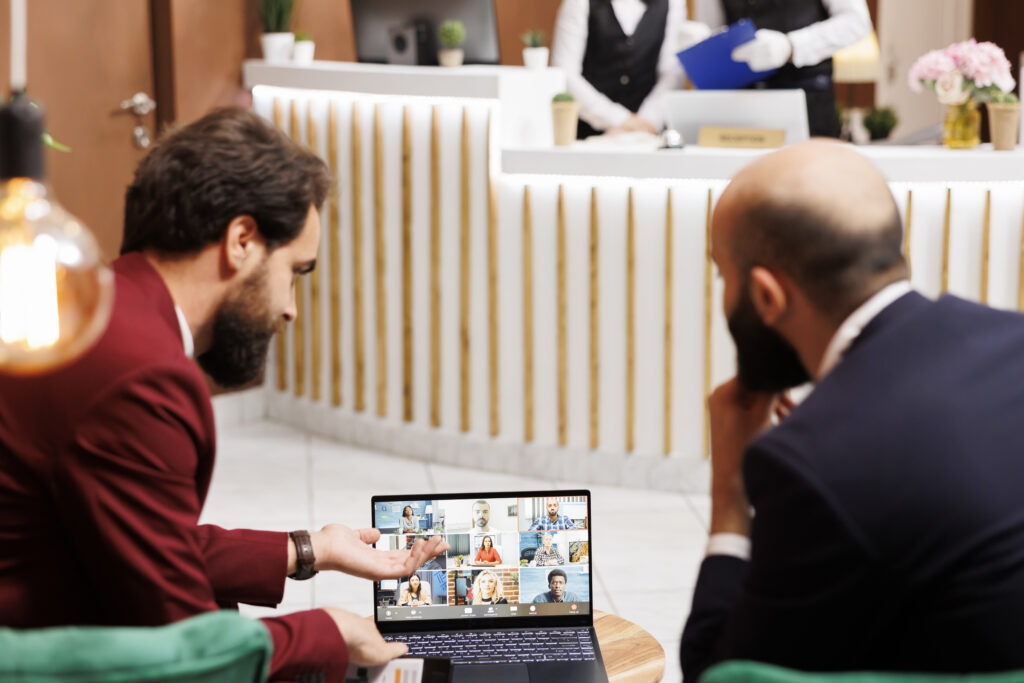

You want the irreplaceable energy of a live, in-person event—the networking, the shared excitement, the buzz in the room. But you also want the incredible reach and accessibility of a virtual event, allowing you to connect with a global audience without the limitations of travel or venue capacity. For a long time, you had to choose one or the other. That’s no longer the case. A hybrid event combines the best of both formats, creating a single, unified experience for two audiences at once. This guide will walk you through what that means, why it’s a strategic move for your business, and how to choose the right hybrid event solutions to pull it off flawlessly.
Key Takeaways
- Prioritize Your Virtual Audience to Create a Truly Hybrid Event: A successful hybrid event isn’t just a live stream; it’s an integrated experience. To avoid making your remote guests feel like passive observers, intentionally design interactions—like a dedicated virtual emcee and shared Q&A sessions—that put both audiences on equal footing.
- Use Rich Data to Measure Success and Justify Your Investment: The digital component of a hybrid event provides a goldmine of information. Move beyond simple attendance numbers and track detailed engagement metrics to understand what content resonated, identify sales signals, and calculate a clear return on investment for stakeholders.
- Don’t Underestimate the Technical and Logistical Lift: Running two events simultaneously requires a solid plan and the right support. Mitigate common challenges by choosing a robust technology platform, conducting full tech rehearsals, and having a professional team manage both the on-site and virtual components on the day of the event.
Understanding Hybrid Event Solutions: Key Basics
Think of a hybrid event as the best of both worlds. It’s a single event that welcomes two audiences at the same time: one group attends in person at a physical venue, while the other joins online from wherever they are. It’s more than just live-streaming your conference. A true hybrid event solution is designed to create one cohesive and interactive experience for everyone involved, regardless of their location.
The goal is to bridge the gap between the physical and digital worlds. Instead of treating the online audience as passive viewers, a hybrid model integrates them into the event. They can network with in-person attendees, participate in Q&A sessions, and engage with speakers and sponsors in real-time. This approach allows you to expand your reach far beyond the walls of a venue, making your event more accessible and inclusive. For businesses, this means connecting with a global audience, gathering rich data from both groups, and creating a more dynamic and memorable experience. It’s a flexible and powerful way to plan your next event.
Essential Elements of Effective Hybrid Events
At its heart, a hybrid event is built on two foundational pillars: the live experience and the virtual experience. The main challenge—and the key to success—is making sure both audiences feel equally involved and engaged. This means you can’t just set up a camera in the back of the room and call it a day. You need to thoughtfully design content and interactions that cater to both groups. This includes everything from high-quality audio and video for the virtual side to interactive elements like polls, chat rooms, and virtual networking lounges that connect everyone together. Budgeting is also a dual effort; you’ll need to allocate resources for both the physical venue and the digital platform to ensure a seamless experience for all participants.
Technology That Unites In-Person and Virtual Attendees
The right technology is the glue that holds a hybrid event together. You need a specialized platform built for hybrid events, not just a standard video conferencing tool. This technology acts as the central hub, connecting your in-person and virtual attendees. It’s what allows someone watching from their laptop to ask a speaker a question in real-time or network with an attendee who is physically at the venue. Beyond just connecting people, these platforms are powerful tools for your business. They can help you generate new leads, understand what your audience is interested in, and collect detailed data on how every single person engages with your event. This information is invaluable for proving ROI and planning even better events in the future.
Business Advantages of Adopting Hybrid Events
If you’re wondering whether a hybrid model is right for you, the answer is a resounding yes. Hybrid events aren’t just a temporary fix; they are a strategic approach that combines the best of both worlds. By blending in-person energy with virtual accessibility, you create a more powerful, flexible, and impactful experience. This model opens up new possibilities for audience engagement, data collection, and overall event success, making it a smart move for any business looking to stay ahead.
Expanding Reach and Promoting Inclusivity
One of the biggest advantages of going hybrid is the ability to break down geographical barriers. You’re no longer limited to attendees who can travel to your venue. With a virtual component, anyone from across the country or around the world can participate, dramatically expanding your reach. This inclusivity also extends to those who can’t attend in person due to budget, health, or scheduling conflicts. By offering a choice, you cater to a wider range of needs and preferences, ensuring no one has to miss out. This flexibility can lead to a much larger audience and create more opportunities for sponsors to connect with potential customers.
Optimizing Budgets for Hybrid Formats
Hybrid events can be surprisingly cost-effective for both you and your attendees. While there’s an investment in technology, you might save on venue size, catering, and staffing since a portion of your audience is virtual. For your guests, the savings are even clearer. Attending virtually eliminates the need for expensive flights, hotel stays, and other travel-related costs, which is often a major barrier to entry. By removing this financial hurdle, you can attract a larger, more diverse group of attendees who might have otherwise skipped the event. This approach allows you to manage your event budget more efficiently while delivering a high-value experience.
Leveraging Data for Deeper Insights
The digital nature of a hybrid event is a goldmine for data. While you can track in-person attendance, the virtual platform provides a much deeper level of insight. You can see which sessions were most popular, how long attendees stayed, what questions they asked, and which resources they downloaded. This “first-person engagement data” offers a clear picture of what resonated with your audience. You can use these analytics to prove ROI to stakeholders, refine your content for future events, and gather valuable buying signals for your sales team. These insights are crucial for shaping your ongoing marketing strategy and making each event better than the last.
Enhancing Sustainability Through Hybrid Models
In a world where corporate responsibility matters more than ever, hybrid events offer a greener alternative. By allowing a portion of your audience to attend remotely, you significantly reduce the event’s carbon footprint. Fewer people traveling means fewer flights and car trips, which directly translates to lower emissions. This commitment to sustainability can be a powerful message for your brand, appealing to environmentally conscious attendees, sponsors, and partners. Hosting a more eco-friendly event isn’t just good for the planet; it’s a great way to show that your company’s values align with modern expectations.
Critical Features to Look for in Hybrid Event Solutions
Choosing the right hybrid event solution can feel like a huge task, but it really comes down to a few key features. The right platform doesn’t just broadcast your event; it creates a seamless, engaging experience for everyone, whether they’re in the room or on their couch. Think of your event solution as the digital venue—it needs to be welcoming, easy to get around, and equipped with everything you need to host a memorable gathering. As you compare options, focus on platforms that master the fundamentals while offering tools that align with your specific event goals. From crystal-clear video to insightful data, these are the non-negotiables that will set your hybrid event up for success and ensure both your in-person and virtual attendees feel equally valued and included.
High-Quality Streaming and Video Essentials
The absolute foundation of any hybrid event is the quality of its live stream. If your virtual attendees are dealing with buffering, poor audio, or a grainy picture, they’ll tune out fast. Your platform must provide high-quality, stable video production for both the physical and virtual components of your event. This means your remote audience gets a broadcast-quality view of the main stage, presentations, and speakers. Look for a solution that can handle multiple camera feeds and professional audio inputs. This isn’t just about pointing a webcam at the stage; it’s about creating a professional production that makes virtual guests feel like they have the best seat in the house.
Engagement Tools That Connect Audiences
A successful hybrid event is an interactive one. Watching a presentation is passive, but participating in it creates a connection. Your event solution needs tools that bridge the gap between your two audiences. Features like live chats, moderated Q&A sessions, real-time polls, and social media integrations are essential for keeping everyone involved. These tools allow virtual attendees to ask questions, share opinions, and network with in-person guests, breaking down the digital wall. This level of interaction is a key part of our event marketing strategy because an engaged audience is one that remembers your message long after the event ends.
Streamlined Registration and Ticketing Processes
Your event experience begins the moment someone decides to register. A complicated or confusing sign-up process can deter potential attendees before they even get started. A great hybrid platform offers streamlined registration tools for both audiences. This might include features like custom landing pages, simple payment processing, and automated confirmation emails. For in-person guests, look for options like QR codes that make check-in quick and touch-free. For virtual attendees, a dedicated online event lobby where they can access the agenda and network beforehand creates a smooth entry into the event. The goal is a frictionless process that feels professional and welcoming from the very first click.
Robust Analytics for Event Performance
How do you know if your event was a success? Data. One of the biggest advantages of a hybrid event is the wealth of information you can gather. Your platform should offer advanced analytics to track attendee behavior and interaction across both audiences. This includes metrics like which sessions were most popular, how long people stayed, what questions they asked, and how they engaged with polls. This data is invaluable for demonstrating ROI to stakeholders, refining your content strategy for future events, and giving your sales team powerful insights for post-event follow-ups. It helps you understand what truly resonated with your audience.
AI-Driven Features for Smarter Events
Modern event platforms are getting smarter, using AI to streamline tasks and improve the attendee experience. These features can be a game-changer for your event team and your guests. AI can now handle tasks like automated note-taking, creating instant meeting summaries, and providing live translation or closed captions to make your event more accessible. Other helpful features include AI-powered noise reduction to ensure clear audio and even virtual avatars for a more personalized digital presence. These smart tools reduce the manual workload for your team and create a more polished, inclusive, and futuristic experience for everyone involved.
Comparing Top Hybrid Event Solutions: What Sets Them Apart
Choosing the right technology for your hybrid event can feel like the most challenging part of the planning process. With so many platforms available, each offering a slightly different set of features, it’s easy to get stuck. The key is to remember that the “best” solution is the one that aligns perfectly with your event’s specific goals. Are you focused on generating leads for your business? Fostering genuine connections between attendees? Broadcasting a keynote to a global audience? Your answer will point you toward the right tech stack.
To help you get started, I’ve broken down some of the top hybrid event solutions on the market. This isn’t just a list of software; it’s a look at what makes each platform unique and the type of event it’s best suited for. Think of this as your starting point for finding the technology that will help you create a seamless, engaging, and memorable experience for every single guest, whether they’re joining you in person or from their home office.
EMRG Media’s Comprehensive Hybrid Event Services
Instead of piecing together different technologies on your own, you can partner with a team that manages the entire process for you. At EMRG Media, we provide comprehensive event planning services that integrate best-in-class technology to create a flawless hybrid experience. We work with trusted virtual event partners to handle all the technical details, from live streaming to audience engagement tools. This approach lets you focus on your content and your guests, while we ensure the technology runs smoothly in the background, creating a cohesive and professional event for both your in-person and virtual attendees.
ON24: Unified Interaction for All Attendees
ON24 is designed to solve one of the biggest challenges of hybrid events: making sure both audiences have the same interactive experience. Their platform is built to ensure your virtual attendees feel just as present and involved as those in the room. This is perfect for corporate events, webinars, and conferences where audience participation is key. With ON24’s hybrid event solutions, everyone can participate in the same Q&A sessions, respond to polls in real-time, and access shared resources, creating a single, unified event environment rather than two separate ones.
Zoom Events: Familiar and Reliable Platform
Almost everyone is familiar with Zoom, which gives its event platform a major advantage. Zoom Events is a natural extension of the tool your team and attendees likely already use, which means a much lower learning curve for everyone involved. As event marketers increasingly see hybrid as a permanent part of their strategies, Zoom has built a platform to meet that demand. It’s a solid choice for marketing-focused events, offering a reliable way to widen your reach to a global audience and gather more data on attendee engagement, helping you prove the value of your event.
Hopin: All-in-One Event Management
If you’re looking for an all-in-one solution, Hopin is a strong contender. It provides a comprehensive platform designed to manage every aspect of your hybrid event, from registration and ticketing to live streaming and virtual networking. The main benefit here is simplicity; you don’t have to juggle multiple tools to bring your event to life. Hopin focuses on creating seamless interaction between in-person and virtual attendees, making it one of the most popular platforms for hosting successful hybrid events that feel connected and dynamic.
Remo: Innovative Networking Focus
Remo stands out with its unique emphasis on networking and engagement. The platform features a virtual floor plan with interactive “tables” where attendees can move around and join small group video chats. This design brilliantly mimics the experience of mingling at an in-person event, making it easier for virtual guests to have spontaneous conversations and make genuine connections. If your primary goal is to foster a sense of community and encourage interaction among all your guests, Remo’s engaging and visually intuitive layout makes it an ideal choice.
Xcyte Digital: Equal Participation for Everyone
Xcyte Digital is focused on a single, powerful idea: making sure every participant, whether in-person or online, feels equally involved. Their approach is centered on designing a unified experience from the ground up, so your virtual audience never feels like they’re just watching from the sidelines. Xcyte Digital’s hybrid event solutions are built to bridge the gap between the physical and digital spaces. This makes them a great partner for planners who want to ensure their event feels like one cohesive gathering, not a live event with a separate, passive online component.
Matching Pricing and Features to Your Event Needs
Choosing a hybrid event solution isn’t a one-size-fits-all decision. The market is filled with options that cater to different needs, from massive international conferences to intimate team workshops. The key is to match the platform’s capabilities—and its price tag—to your event’s specific goals, scale, and budget. Before you even start looking at demos, take a moment to define what success looks like for your event. Are you aiming for lead generation, internal training, or broad brand awareness? Your answer will dictate the features you prioritize.
Think about what you truly need. Are you looking for broadcast-quality streaming for thousands of attendees, or do you need a simple, reliable way to connect a few dozen people in different locations? Understanding the different tiers of service will help you narrow down the options and find a platform that feels like it was made for you. Some platforms are built for massive scale and offer every feature imaginable, while others focus on doing a few things exceptionally well. By evaluating your must-haves versus your nice-to-haves, you can invest wisely and ensure your technology supports your event instead of complicating it. Working with a team that provides comprehensive event planning services can also help you navigate these choices to find the perfect fit.
Enterprise Platforms for Large-Scale Events
If you’re planning a large-scale event like a major industry tradeshow or a global sales kickoff, enterprise-level platforms are built for you. These solutions are designed to handle thousands of attendees without a hitch, offering robust security, dedicated support, and advanced analytics. The main focus here is creating a seamless and unified experience for everyone. The goal is to make sure both types of attendees have the same interactive experience, whether they’re in the room or on the screen. These platforms provide broadcast-quality streaming, deep branding customization, and sophisticated networking tools to connect your entire audience, making a big impression on a global scale.
Mid-Market Options for Balanced Features
Mid-market solutions offer a powerful balance of features and affordability, making them a great choice for many corporate events, seminars, and regional conferences. These platforms provide the core tools you need to host a successful hybrid event without the enterprise-level price. The emphasis is on creating an inclusive and interactive atmosphere. The main goal is to make sure everyone attending, whether they are there in person or joining online, feels equally involved and engaged. You can expect features like high-quality streaming, breakout rooms, live polls, and Q&A sessions that bridge the gap between your physical and virtual audiences, keeping everyone connected and part of the conversation.
Budget-Friendly Choices for Smaller Gatherings
Just starting with hybrid events or working with a tighter budget? Don’t worry, there are plenty of excellent budget-friendly options available. These solutions are perfect for smaller workshops, community gatherings, or internal company meetings. While they may not have all the bells and whistles of the higher-tiered platforms, they deliver on the essentials. The most important thing is that both live and online participants are able to enjoy the event content. You can often find flexible, pay-as-you-go models or even combine a few different user-friendly tools to create a custom hybrid event solution that works for you without breaking the bank.
Overcoming Common Hybrid Event Challenges
Hybrid events offer incredible flexibility and reach, but they also introduce a unique set of hurdles. You’re essentially running two events at the same time, which means you need a solid plan to make sure everything runs smoothly for everyone involved. The good news is that these challenges are completely manageable with the right strategy and support. Let’s walk through the most common issues and, more importantly, how to solve them. By anticipating these potential bumps in the road, you can create a seamless, engaging experience that impresses both your in-person and virtual attendees.
Handling Technical Setup Efficiently
Let’s be honest: technology is often the most intimidating part of a hybrid event. You’re juggling live-streaming equipment, multiple camera angles, audio for both the room and the stream, and a digital platform for your virtual audience. It’s a lot to handle, and it’s no surprise that many planners feel overwhelmed. The key is to not go it alone. Working with an experienced event planning team that understands the technical side of hybrid events can make all the difference. They can recommend the right gear, manage the platform, and troubleshoot any issues that pop up, letting you focus on your guests.
Ensuring Equity Between Audiences
One of the biggest goals of a hybrid event is to make sure your virtual attendees don’t feel like they’re just watching from the sidelines. According to Zoom’s Future of Hybrid Events Report, 55% of people believe establishing equality between remote and in-person attendees is the most important part of a successful hybrid event. To do this, you need to intentionally bridge the gap between your two audiences. Designate a virtual emcee to interact directly with the online chat and Q&A. Use technology that allows both groups to participate in the same polls, surveys, and breakout sessions. When everyone feels seen and included, your event becomes a shared experience rather than two separate ones.
Training Your Team for Hybrid Success
Your event staff is on the front lines, and they need to be prepared for the unique demands of a hybrid format. With new technology and two audiences to manage, their roles can become more complex. According to a 2019 study by Eventsforce, 49% of event planners think they have limited skills to make confident decisions on event tech. The solution is clear communication and training. Before the event, hold a thorough briefing to define roles, walk through the technology, and run practice scenarios. When your team feels confident and prepared, they can provide a much better experience for your attendees and handle any unexpected challenges with ease.
Boosting Engagement Across Formats
Keeping one audience engaged is tough enough; keeping two captivated at the same time requires a thoughtful approach. You can’t just point a camera at a stage and hope for the best. Instead, you need to build interaction into the very fabric of your event. Use features like live polls that display results for everyone to see, and facilitate Q&A sessions where you take questions from both the room and the online chat. Creating dedicated networking opportunities, like virtual breakout rooms that mirror in-person roundtables, helps ensure everyone can make meaningful connections. The goal is to make the event a two-way conversation for everyone, no matter where they are.
Industries Benefiting Most from Hybrid Events
Hybrid events are incredibly versatile, but some industries have truly unlocked their potential. By blending in-person energy with digital reach, they’re creating more impactful and accessible experiences. Let’s look at a few sectors where hybrid events are not just a trend, but a core part of their strategy for growth and engagement. From large-scale conferences to internal training, the hybrid model offers a flexible solution that meets modern demands.
Corporate Events and Conferences
For the corporate world, hybrid events are a game-changer. Think about your annual general meetings, industry trade shows, or large-scale conferences. A hybrid approach helps businesses get more people to participate, keep them interested, and generate more revenue. By offering more choices for attendees, you can reach a much larger audience that isn’t limited by travel budgets or geographical barriers. This expanded reach also creates more opportunities for sponsors, who gain valuable exposure to both the in-person and virtual crowds, increasing the overall value of their investment.
Education and Training Programs
The education sector has fully embraced the hybrid model for everything from university open days to professional development workshops. Event marketers believe hybrid events will be a permanent and important part of their strategies because they make learning more accessible. This format helps educational institutions and companies reach more people, often at a lower cost per attendee, while providing more detailed data than a purely in-person or virtual event could. It allows you to track engagement, see which sessions are most popular, and refine your content for future training programs.
Healthcare and Medical Symposiums
The healthcare industry relies on events to share groundbreaking research, conduct training, and host medical symposiums. Given the demanding schedules of medical professionals, hybrid events are the perfect solution. Whether you’re planning a specialized healthcare summit or a large medical conference, the hybrid format allows doctors, nurses, and researchers to participate without having to leave their patients or labs. This flexibility ensures that critical knowledge is shared widely and efficiently. A professionally managed hybrid event can make all the difference, as many of our past clients can attest.
Marketing and Sales Kickoffs
For marketing teams launching a new product or sales teams holding their annual kickoff, energy is everything. Hybrid events capture the excitement of a live audience while broadcasting it to a global one. This approach is incredibly effective for building buzz and momentum. When paired with smart event marketing, a hybrid launch can drive a significant return on investment by boosting registrations and engagement. It’s also ideal for internal events, ensuring your entire sales team—whether they’re in the main office or working remotely across the country—feels connected, motivated, and aligned on company goals.
Step-by-Step Planning for Hybrid Event Success
Pulling off a successful hybrid event comes down to smart planning and solid execution. It’s about creating a single, cohesive experience for two different audiences simultaneously. By focusing on three key areas—technology, communication, and day-of management—you can build an event that feels seamless and engaging for everyone, no matter where they are. Think of this as your simple, step-by-step guide to getting it right.
Prepare and Test Technology in Advance
Your technology is the bridge connecting your in-person and virtual attendees, so it needs to be rock-solid. A hybrid event is far more complex than just pointing a camera at a stage; it requires a thoughtful approach to make everyone feel connected. The first step is choosing the right venue and a technology platform that can handle the demands of a dual audience. Your platform should not only provide a flawless stream but also support your business goals, like capturing leads and understanding what your customers want. Most importantly, schedule a full tech rehearsal before the event to work out any kinks and ensure a smooth experience on the big day.
Develop Clear Communication Plans
A great hybrid event ensures that your virtual audience feels just as valued as your in-person guests. This starts with a communication plan that guarantees equal access. Everyone should be able to watch the same live content, ask questions during a Q&A, participate in polls, and download resources simultaneously. Before the event, send clear instructions to your virtual attendees on how to log in and engage. During the event, have a dedicated moderator for the online chat to make sure their voices are heard. This proactive approach prevents your remote guests from feeling like passive observers and makes them active participants.
Execute Seamlessly on Event Day
When your event goes live, your focus should be on your guests, not on technical glitches. Having a professional team to manage the moving parts is essential. This includes an on-site crew for the physical event and a dedicated virtual event manager to assist the online audience. The right event production services can help you manage both sides effortlessly. A well-managed event also allows you to gather valuable engagement data from both audiences. By tracking participation and interactions, you can gain powerful insights into what resonated most, helping you measure success and plan even better events in the future.
Evaluating Success in Hybrid Events
Once the last virtual attendee has logged off and the final in-person guest has left, your work isn’t quite done. The real magic of a hybrid event lies in the data you collect. Unlike purely in-person events, the digital component gives you a treasure trove of information to pinpoint what worked, what didn’t, and what the true impact was on your business goals. Measuring success is about more than just feeling good about the turnout; it’s about proving the event’s value and gathering insights to make your next one even better.
The right event platform gathers valuable first-person engagement data from both your physical and digital audiences, giving you a complete picture of your event’s performance. By tracking the right metrics, you can move beyond simple attendance numbers and understand how your event influenced audience behavior and contributed to your bottom line. Let’s walk through the key areas to focus on.
Tracking Essential Performance Metrics
Your Key Performance Indicators (KPIs) are the high-level metrics that tell you if you met your main objectives. Start by looking at your registration and attendance numbers, but be sure to segment them. How many people signed up for the in-person experience versus the virtual one? What was the attendance rate for each group? This can reveal a lot about your audience’s preferences.
Beyond attendance, focus on KPIs tied to business growth. Track the number of qualified leads generated from both audiences. Did you see an uptick in demo requests or sales inquiries during or after the event? According to ON24, some companies have seen a 67% increase in event registrations compared to traditional live events, which directly impacts the potential for new business. These numbers provide a clear, quantitative look at your event’s reach and lead-generation power.
Interpreting Engagement Data
Engagement metrics tell the story of your audience’s experience. They show you how actively involved people were, which is a strong indicator of how much value they received. For your virtual audience, you can track everything from poll participation and Q&A submissions to chat message volume and resource downloads. These online tools give you useful information to make future events better.
For the in-person side, you can use app check-ins for different sessions or track traffic at exhibitor booths. When you combine these data points, you can see which speakers resonated most, what topics sparked the most conversation, and which content was most popular. This isn’t just about tracking clicks; it’s about identifying “buying signals” and understanding what truly captures your audience’s attention.
Calculating ROI Effectively
Ultimately, you need to connect your event’s performance to your financial investment. Calculating your Return on Investment (ROI) is how you prove the event was worth the resources. Start by adding up all your event costs, from the venue and catering to the technology platform and marketing spend. Then, calculate the value generated. This could be the total value of sales closed from event leads or the projected value of new opportunities in your sales pipeline.
You can get instant updates on who registered, who attended, and any sales made during the event. By dividing the total value generated by the total cost, you get your ROI. This powerful figure demonstrates the direct financial impact of your hybrid event, making it much easier to justify future event budgets and secure buy-in from key stakeholders for your next big idea.
Common Questions About Hybrid Event Solutions
Is a hybrid event just a live-streamed meeting?
Not at all. While live-streaming is a component, a true hybrid event is much more. Think of it as one cohesive experience designed for two audiences. Instead of simply broadcasting what’s happening in the room, a hybrid event uses technology to actively connect the in-person and virtual guests so they can interact with each other, the speakers, and the content in real-time.
Will a hybrid event cost more than a fully in-person one?
It’s a different way of looking at your budget. While you are investing in a technology platform, you might save on other costs like a smaller venue or less catering. More importantly, a hybrid event creates new value. It allows you to reach a much larger audience without the barrier of travel costs, which can lead to more ticket sales, broader sponsorship exposure, and a greater return on your investment.
How can I make sure my online attendees feel as included as the people in the room?
This is the most important part of planning a hybrid event, and it comes down to being intentional. You can’t just set up a camera and forget about the virtual audience. The key is to use tools that bridge the gap, like integrated Q&A sessions and live polls where everyone participates together. Having a dedicated emcee or moderator for your virtual audience is also a great way to make them feel seen and heard.
My event is small. Is going hybrid still a good idea?
Absolutely. Hybrid isn’t just for massive conferences. The model is incredibly flexible and can be scaled to fit any size event, from an intimate workshop to an internal team training. For smaller gatherings, it’s a powerful way to include team members who work remotely or partners in different cities, making your event experience more accessible and ensuring no one has to miss out.
What’s the single biggest mistake to avoid when planning a hybrid event?
The biggest mistake is treating the virtual component as an afterthought. A successful hybrid event isn’t a physical event with a webcam tacked on; it’s a single, integrated experience that requires its own unique strategy. You have to plan for both audiences from day one, considering how they will interact with the content and with each other to ensure everyone has a seamless and engaging experience.
Final Thoughts on Hybrid Events
Hybrid events blend the energy of in-person gatherings with the reach of virtual access, offering flexibility, inclusivity, and rich data insights. By choosing the right platforms, features, and strategies, you can create seamless experiences that engage global audiences while managing budgets and sustainability. Whether for corporate conferences or small workshops, mastering hybrids ensures your events stand out in a connected world. Ready to elevate yours?
Hire EMRG Media When the goal is impact, not just attendance, EMRG Media delivers. From corporate productions to once-in-a-lifetime celebrations, we handle the details so your event shines. Reach out to EMRG Media, and let’s start designing something exceptional.
