

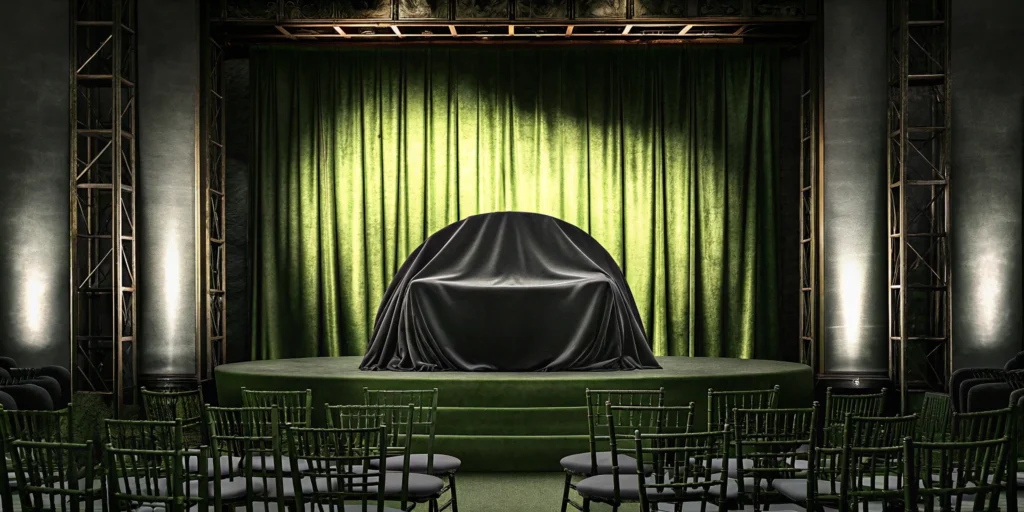

Every product has a story—the problem that sparked its creation, the challenges overcome during its development, and the vision for how it will help people. A product launch event is the stage where you bring that story to life. It’s your product’s official debut, a chance to share your passion and purpose with the people who matter most. This is how you create an emotional connection that turns customers into loyal advocates. By crafting a memorable experience, you’re not just selling a product; you’re inviting people to become part of your brand’s journey and building a community from day one.
Key Takeaways
- Strategy is Everything: Treat your launch as a strategic marketing initiative, not just a party. Define specific, measurable goals—like media placements or sales leads—to guide every decision and ensure a clear return on your investment.
- Create an Interactive Experience: Move beyond a simple presentation by letting guests touch, test, and experience your product firsthand. Use hands-on demos, compelling brand stories, and engaging activities to create memorable moments that people will want to share.
- The Launch is a Campaign, Not a Day: Maximize your impact by building anticipation with a pre-launch teaser campaign and capitalizing on the excitement afterward. A strong follow-up strategy for nurturing leads and repurposing content is essential for turning buzz into business.
What Is a Product Launch Event? (And Why You Need One)
Think of a product launch event as your new product’s official debut. It’s a carefully planned gathering designed to introduce your latest creation to the world with a bang. More than just a party, it’s a strategic marketing move that brings your product to life through live demonstrations, engaging presentations, and direct interaction. The goal is to create a memorable experience that builds excitement, captures media attention, and drives those crucial first sales.
In a crowded market, simply listing a new product online isn’t enough. An event gives you a platform to tell your product’s story, show off its best features, and connect with the people who matter most—your customers, partners, and the press. It’s your chance to shape the narrative from day one and build a foundation for long-term success. When planned correctly, a launch event can transform a simple release into a major industry moment.
Build Buzz and Brand Awareness
A product launch event is one of the most effective ways to generate genuine excitement. It’s a live, tangible experience that cuts through digital noise and makes a lasting impression. By creating a focused moment in time, you give people a reason to pay attention and talk about what you’re doing. This is your opportunity to formally introduce your product, showcasing its features and benefits in a dynamic setting that a webpage or social media post simply can’t replicate. A successful event doesn’t just launch a product; it reinforces your brand’s identity and vision, making your company synonymous with innovation and excitement. Our approach to corporate events focuses on creating these exact moments.
Connect Directly with Customers
There’s a unique power in face-to-face interaction. A launch event lets you connect directly with your most important audience members: your potential customers, loyal fans, and key partners. You can watch their reactions as they experience the product for the first time and hear their unfiltered thoughts. This direct feedback is incredibly valuable and can offer insights to help you refine your product and marketing strategy. It’s also a chance to build a community around your brand, turning early adopters into passionate advocates who will share their positive experiences with their own networks. These personal connections create a level of loyalty that digital campaigns often struggle to achieve.
Generate Media and Social Buzz
A well-executed launch event is a content-generating machine. It provides the perfect backdrop for journalists, bloggers, and influencers to create stories, photos, and videos. Getting news coverage is still a powerful way to build credibility, and an exclusive event gives the media a compelling reason to feature your product. To capture their attention, you need to create an experience worth talking about. Beyond traditional media, an event fuels social media conversations. By designing shareable moments and encouraging attendees to post live updates, you can amplify your reach exponentially, creating a wave of organic buzz that extends far beyond the event walls. This is a core part of our marketing strategy for clients.
Key Elements of a Winning Product Launch
A truly great product launch event feels effortless, but behind the scenes, it’s a carefully constructed experience built on a solid strategic foundation. It’s about more than just picking a cool venue and sending out invites. The most successful launches are meticulously planned to create buzz, drive sales, and make a lasting impression on guests. Think of it as telling your product’s story in a live, interactive format. When you get the core elements right, you create a powerful moment that can define your brand’s trajectory.
At EMRG Media, we’ve seen firsthand how strategic planning transforms a simple gathering into a major business milestone. Whether you’re launching a new app, a fashion line, or a consumer gadget, the principles are the same. It all comes down to four key pillars: setting clear goals, choosing the perfect setting, timing your reveal for maximum impact, and getting the right people in the room. Nailing these elements will ensure your event isn’t just a party, but a pivotal part of your overall marketing strategy. Let’s break down how to get each one right.
Set Clear, Achievable Goals
Before you book a single vendor, you need to define what success looks like. What do you want this event to accomplish? Your goals should be specific and measurable, moving beyond vague ideas like “creating buzz.” Instead, aim for concrete targets like “secure 10 media placements,” “capture 200 qualified leads,” or “generate 500 social media posts using our event hashtag.” These objectives should tie directly back to your larger business aims, whether that’s driving revenue, acquiring new customers, or establishing your brand as an industry leader. Knowing your key performance indicators from the start will guide every decision you make, from the guest list to the follow-up strategy.
Choose the Perfect Venue and Format
Your venue is more than just a location; it’s the stage for your product’s debut. The right space should reflect your brand’s identity and enhance the product you’re showcasing. A sleek, modern tech gadget might feel at home in a minimalist gallery, while a new organic food brand could shine in a rustic loft or garden setting. Consider the practicals, too: capacity, accessibility, and the necessary tech infrastructure. Don’t forget to think about the format. Will it be an in-person experience, a virtual broadcast, or a hybrid model to reach a wider audience? The format you choose will heavily influence the atmosphere and how guests interact with your product.
Time Your Launch for Maximum Impact
Timing is everything. The date of your launch event is important, but so is the promotional timeline leading up to it. You want to build a steady drumbeat of anticipation. Start teasing your event weeks in advance through email newsletters, social media sneak peeks, and early-bird offers. This pre-launch period is your chance to create intrigue and get people excited. When choosing a date, be mindful of industry calendars, major holidays, or other events that might compete for your audience’s attention. A well-timed launch ensures your message lands with force, capturing the focus of the media, influencers, and your target customers.
Curate Your Guest List
Your event’s success hinges on having the right people in the room. A carefully curated guest list is far more valuable than a packed house of random attendees. Think strategically about who you want to reach. Your list should be a mix of key players: influential media and press who can amplify your story, industry influencers who can lend credibility, loyal customers who can become brand advocates, and potential high-value clients or partners. Understanding who you’re trying to reach will help you tailor every aspect of the event, from the invitations to the on-site experience, ensuring your message resonates deeply with the people who matter most.
How to Build Hype Before Your Launch
The excitement for your event should start long before the doors open. Building anticipation is the secret to a launch that feels like a can’t-miss moment. By creating buzz in the weeks leading up to your event, you ensure that when launch day arrives, your audience is already engaged, invested, and ready to celebrate with you. A strong pre-launch strategy turns attendees into advocates and sets the stage for success. Here’s how to get people talking.
Launch a Teaser Campaign
A great product launch doesn’t just appear out of nowhere—it builds over time. A teaser campaign is your best friend here. Start dropping hints about your upcoming event weeks in advance to create a sense of mystery and anticipation. Think of it as leaving a trail of breadcrumbs for your audience to follow. You can use a mix of channels for this: send cryptic emails to your subscriber list, share behind-the-scenes photos or videos on social media, or run a giveaway for those who can guess what’s coming. A simple countdown on your website can also be incredibly effective. The goal is to get people talking and speculating, turning your launch from a single-day event into a season of excitement.
Partner with Influencers and Use Social Media
Word-of-mouth is powerful, and in the digital world, influencers are the ultimate amplifiers. Partnering with the right creators gives you instant access to an engaged audience that trusts their recommendations. This collaboration can lend your product launch significant credibility and visibility. Attending industry events like The Event Planner Expo is a great way to connect with potential partners. Beyond influencers, a smart social media strategy is essential. Create a unique, catchy hashtag for your event and use it across all your posts. Encourage your followers and attendees to use it too. This not only centralizes the conversation but also fosters a community around your launch.
Send Exclusive, Intriguing Invitations
Everyone loves to feel like a VIP. Tapping into this feeling is a surefire way to build hype. Instead of a mass invitation, consider hosting a smaller, exclusive preview for a select group of industry insiders, loyal customers, or media contacts. This creates an immediate sense of importance and scarcity, making an invitation highly coveted. Your invitations should reflect this exclusivity. Make them intriguing and personal, hinting at the unique experience that awaits. A well-crafted agenda with inspiring talks and hands-on product demos can be a huge draw. When you create an event that feels special, attendees are more likely to share their excitement. Crafting these kinds of unforgettable private events is our specialty.
How to Make Your Launch Event Unforgettable
The difference between a good launch and a great one often comes down to the experience you create. You want guests to leave feeling genuinely excited, not just informed. It’s about crafting moments that stick with them long after they’ve gone home. This means moving beyond a simple presentation and creating an immersive environment where your product is the star. From interactive demos to compelling stories, every detail should work together to build a memorable connection between your audience and your brand. When you focus on the attendee experience, you create advocates who will share their excitement with the world.
Offer Hands-On Product Demos
Let your product do the talking. Setting up interactive stations where guests can touch, test, and experience your product firsthand is one of the most powerful ways to generate real excitement. A hands-on demo transforms abstract features into tangible benefits, showing attendees exactly how your product can solve a problem or improve their lives. This direct interaction builds confidence and helps people visualize themselves using it. It’s an authentic way to showcase your hard work and prove your product’s value on the spot. Planning these interactive experiences ensures your guests feel involved rather than just spoken to.
Tell Your Brand’s Story
People connect with stories, not just specs. Your launch event is the perfect stage to share the narrative behind your product. What problem inspired you to create it? What journey did you take to bring it to life? Weaving a compelling story creates an emotional hook that makes your brand more relatable and memorable. When you share the “why,” you give your audience something to believe in. This narrative becomes a core part of your brand marketing and helps you build a community around a shared purpose, turning customers into loyal fans who are invested in your success.
Encourage Audience Participation with a Live Q&A
Make your launch a two-way conversation. A live Q&A session is a simple but incredibly effective way to engage your audience directly. It gives them a chance to ask the questions that are most important to them, which shows you value their perspective. This interaction breaks down the barrier between presenter and attendee, creating a more dynamic and inclusive atmosphere. Answering questions in real-time demonstrates transparency and expertise, building trust with potential customers. It also provides you with invaluable feedback and insight into what resonates most with your target audience.
Add Games and Interactive Elements
Who said launches have to be all business? Incorporating games, contests, or interactive installations can make your event more fun and engaging. Think about a branded photo booth, a social media contest with a unique hashtag, or a gamified demo experience. These elements not only entertain your guests but also encourage them to share their experiences online, organically extending your event’s reach. Fun activities act as natural icebreakers, helping attendees connect with each other and your team. You can find incredible vendors for these activations at industry events like The Event Planner Expo.
Include Hybrid and Virtual Options
Your audience isn’t limited to who can fit in the room, so your event shouldn’t be either. Offering a virtual component to your in-person launch makes it accessible to a global audience. A hybrid model allows you to connect with people who can’t attend physically, dramatically expanding your reach and potential impact. You can stream keynotes, host virtual-only Q&A sessions, or create digital spaces for networking. This inclusive approach shows that you’re a forward-thinking brand that values every member of its community, no matter where they are in the world.
How to Manage Your Event Logistics
The most memorable events feel effortless, but behind the scenes, they are a symphony of carefully managed details. Logistics are the invisible framework that holds your product launch together. While brainstorming creative themes and guest experiences is exciting, it’s the practical execution that ensures everything runs smoothly. Getting the logistics right means your team can focus on engaging with guests and your product can truly shine. From the moment an attendee arrives to the second they leave, their experience is shaped by these foundational details. Managing your venue, coordinating your team, streamlining guest check-in, and preparing for the unexpected are the four pillars of a flawlessly executed event. Let’s walk through how to handle each one.
Nail Down Venue and Tech Needs
Your venue does more than just house your event; it sets the entire mood. When choosing a space, think about how it aligns with your brand and the product you’re launching. Consider the practicals: Is it large enough for your guest list? Is the layout suitable for demos and presentations? Is it easily accessible via public transportation? Once you’ve secured the perfect spot, turn your attention to technology. Flawless audio and visual equipment are non-negotiable. You’ll need a reliable sound system, crisp projectors or screens, and strong Wi-Fi. For a product launch, you might also need specific tech for interactive displays or live streaming, so be sure to work with your venue to cover all your corporate event needs.
Coordinate Your Staff and Team
A product launch is a team sport. Your marketing, sales, and product departments should be collaborating from the very beginning. Hold regular meetings to ensure everyone is aligned on the event’s goals, messaging, and their individual responsibilities. Create a master plan that clearly outlines who is doing what, both in the weeks leading up to the launch and on the day itself. On-site, every team member should have a defined role, whether it’s greeting guests, running a demo station, or managing the A/V booth. When your team works in sync, the entire event feels more professional and cohesive. Having an experienced team you can trust makes all the difference.
Streamline Registration and Check-In
The check-in process is your guests’ first official interaction with your event, so you want to make a great impression. A long, disorganized line can immediately dampen excitement. To avoid this, streamline the process with an online registration system where attendees can sign up in advance. On the day of the event, make sure your check-in area is clearly marked and well-staffed. Using technology like QR code scanners can speed things up significantly. The goal is to make arrival feel welcoming and efficient, getting your guests through the door and into the experience as quickly as possible.
Have a Backup Plan for Tech Glitches
No matter how meticulously you plan, things can sometimes go wrong. A microphone can die, a presentation can refuse to load, or the Wi-Fi can suddenly drop. The key to handling these moments is having a backup plan. Always have extra equipment on hand, like spare mics and cables. Keep a copy of your presentation on a USB drive and downloaded to a local machine. It’s also wise to have a tech-savvy team member on standby to troubleshoot any issues that arise. Thinking through potential problems ahead of time allows you to learn more about your event’s vulnerabilities and prepare solutions, so you can handle any hiccup with grace and keep the event on track.
Creative Ideas to Maximize Engagement
A product launch is your chance to make a splash, but a memorable event goes beyond just showcasing a new item. It’s about creating an experience that sticks with your guests long after they leave. To really capture their attention and generate buzz, you need to think outside the box. These creative ideas will help you engage your audience on a deeper level and make your launch event the talk of the town.
Use Immersive Tech like AR
Want to give your guests an experience they won’t forget? Bring your product to life with augmented reality (AR). This technology overlays digital elements onto the real world, creating interactive and highly shareable moments. Imagine guests using their phones to see a 3D model of your product right in the room or trying on a virtual version of your new fashion line. AR is a fantastic tool for hybrid functions, allowing both in-person and virtual attendees to engage in a unique way. It’s not just a gimmick; it’s a powerful way to demonstrate your product’s features and create content that people will be excited to post online.
Create Exclusive Offers for Attendees
Everyone loves to feel like a VIP. Making your attendees feel special is a surefire way to build loyalty and excitement. You can create this exclusive atmosphere by offering something only available to those at the event. Think about a limited-time discount, a special gift with purchase, or early access to buy the product before anyone else. You could even arrange for VIP meet-and-greets with your company’s founder or the designers behind the product. These exclusive perks not only reward guests for their time but also create a sense of urgency and make your private events feel truly essential to attend.
Collaborate with Key Influencers
Partnering with the right influencers can amplify your message and bring a new level of credibility to your launch. Look for creators whose audience and values align perfectly with your brand. An authentic endorsement from a trusted voice can be more powerful than traditional advertising. You can invite them to attend and share their experience live, have them co-host a Q&A session, or even give them a special role in the event itself. This kind of collaboration is a core part of a modern marketing strategy, helping you tap into established communities and generate genuine excitement from a built-in, trusting audience.
Incorporate Sustainable Elements
Showing that your brand cares about its impact can resonate deeply with today’s consumers. Weaving sustainable practices into your event is a powerful way to reflect your company’s values and create a positive narrative. You can start small by sending digital invitations, eliminating single-use plastics, and sourcing food from local vendors. For a bigger impact, consider partnering with a charity to donate leftover materials or choosing a venue known for its green initiatives. Highlighting these choices shows that your brand is thoughtful and responsible, which can strengthen your connection with your audience and enhance your overall image. It’s a detail that a great event planner won’t overlook.
How to Overcome Common Launch Challenges
Even the most seasoned event planners face hurdles. The key isn’t to expect a flawless process but to anticipate potential challenges and have a solid plan to address them. From tight budgets to an easily distracted audience, a little foresight goes a long way. By thinking through these common issues ahead of time, you can ensure your product launch event runs smoothly and makes the impact you’re hoping for. Let’s walk through some of the biggest challenges and how you can handle them like a pro.
Stick to Your Budget
It’s easy for costs to spiral, but a clear budget is your best defense. The first step is to get your money approved right away and create a detailed breakdown of all expected expenses, from venue rental to catering and marketing. Build a schedule with important payment due dates to keep everyone on track and avoid late fees. We also recommend setting aside a contingency fund—about 10% of your total budget—for any unexpected costs that pop up. Having this buffer gives you flexibility without derailing your entire financial plan for your corporate events.
Stand Out in a Crowded Market
In a city like New York, getting noticed is half the battle. To be successful, your event needs to be special and get people talking. A great launch does more than just announce a product; it starts conversations and builds genuine excitement. Think about what makes your brand unique and weave that into the event experience. This could be an interactive installation, a surprise guest performance, or a theme that’s completely unexpected. The goal is to create a memorable experience that attendees will be eager to share long after they’ve left.
Avoid Common Planning Pitfalls
One of the most common mistakes is planning an event without a deep understanding of the guest list. You need to know who your event is for and what they truly want. Before you book a single vendor, conduct some market research to get inside your audience’s head. What are their interests? What would make an event unmissable for them? Answering these questions helps you tailor every detail, from the speakers you invite to the food you serve. This audience-first approach is fundamental to how we plan events and is crucial for success.
Keep Your Target Audience Engaged
You’ve worked hard to get people in the room (or on the livestream), so don’t let their attention wander. Plan interactive activities to make attendees feel like active participants rather than passive observers. You can organize live Q&A sessions with your product team, set up hands-on demo stations, or run polls and social media contests throughout the event. For hybrid functions, make sure your virtual audience has dedicated ways to participate, like a live chat moderator who can feed their questions to the host. The more involved your guests feel, the more memorable your launch will be.
Your Product Launch Timeline: A Step-by-Step Guide
A successful product launch doesn’t just happen—it’s the result of careful, strategic planning. Breaking down the process into a timeline makes it manageable and ensures no detail gets missed. Think of it as your roadmap to a flawless event. From setting your initial strategy to the final follow-up, here’s a step-by-step guide to keep you on track.
12 Weeks Out: Set Your Strategy
This is your big-picture phase. Three months out, your focus is on laying a strong foundation. Start by defining what success looks like for this launch—is it media coverage, lead generation, or direct sales? Once you have clear goals, you can build a strategy around them. This includes setting a realistic budget and brainstorming the overall event concept. To create excitement, you’ll want to plan a strategic event and consider how you’ll use marketing automation and influencers. This is the time to decide on the core message you want your guests to remember.
6-8 Weeks Out: Handle Logistics and Start Promoting
Now it’s time to bring your vision to life. A great product launch is about creating an experience that connects with your audience. This is when you lock in the key logistical pieces. Secure your venue, book your vendors (caterers, A/V technicians), and start building your registration page. You should also begin your promotional push. Start hinting about the launch on social media and send teaser emails to your list to build anticipation. This early buzz is crucial for getting people excited to attend your private events and learn more about what you’re offering.
2-4 Weeks Out: Finalize the Details
With the major pieces in place, the next few weeks are all about the details. Finalize your guest list and send out official invitations and reminders. This is also the time to create a great agenda for the event itself. Plan a mix of inspiring talks, hands-on product demos, and dedicated time for guests to network. Confirm your speakers, prepare any presentation materials, and plan the flow of the event from start to finish. You can also prepare feedback tools like surveys to gather insights on the day. For more tips, our blog has plenty of ideas.
Day Of: Execute Your Plan
The big day is here! Your main job is to be the host and connect with your guests, which means your team needs to handle the execution. On-site management is key to making sure everything runs smoothly, from guest check-in to ensuring presentations are engaging. Designate a team member to capture content throughout the event—photos and videos are marketing gold for weeks to come. A well-run event reflects positively on your product and brand, which is why having an experienced team makes all the difference. Seeing how others have created seamless experiences can provide great testimonials and inspiration.
What to Do After the Event Ends
The energy in the room was electric, your product looked amazing, and the guests have all gone home. But your work isn’t quite done. The moments after your product launch event are just as critical as the event itself. This is your prime opportunity to solidify the connections you made, capitalize on the excitement, and turn that buzz into tangible business results. A strong post-event strategy ensures that the momentum you built doesn’t just fade away. It’s about thoughtfully following up, leveraging your content, and learning from the experience to make your next event even more successful.
Follow Up and Nurture Leads
Your first move after the event should be to reach out to your attendees. A prompt and personal thank-you email goes a long way in showing your appreciation and keeping the conversation going. Don’t just say thanks; provide value. Share a link to the event recording, a gallery of photos, or slides from a presentation. This keeps your product fresh in their minds. This is also the beginning of your lead nurturing process. Segment your list based on who attended, who registered but couldn’t make it, or who showed interest in a specific demo. Tailoring your follow-up messages will make your marketing efforts much more effective and help guide potential customers smoothly.
Repurpose Your Event Content
Your product launch was a one-time event, but the content you captured can serve you for months. Think of all the photos, videos, and quotes you gathered—it’s a marketing goldmine. Turn key takeaways from a speaker’s session into a detailed blog post. Edit video footage into short, shareable clips for Instagram and LinkedIn. Create a beautiful photo album to post on your website and social channels. This strategy does more than just fill your content calendar; it extends the life of your event, shows people who couldn’t attend what they missed, and serves as powerful promotional material for future corporate events.
Gather Feedback from Attendees
How will you know what truly resonated with your audience if you don’t ask? Sending a post-event survey is one of the most valuable things you can do. Keep it short and simple to encourage responses. Ask attendees what they enjoyed most, what could be improved, and how the event influenced their perception of your new product. This feedback is crucial not only for planning your next event but also for your product team. Insights from early users can directly inform future updates and improvements. Showing that you value your guests’ opinions helps build a loyal community around your brand, which is as valuable as any glowing testimonial.
How to Measure Your Launch’s Success
The confetti has settled, and the last guest has gone home. Now what? The real work of understanding your event’s impact begins. Measuring the success of your product launch isn’t just about patting yourself on the back; it’s about proving ROI and gathering insights to make your next event even better. The key is to tie your metrics back to the goals you set in the beginning. Whether you aimed to generate sales, create buzz, or educate your audience, there are specific key performance indicators (KPIs) you can track to see how you did. Our approach to event marketing always includes a clear plan for measuring results, ensuring every effort contributes to your business goals. Let’s look at the most important metrics to focus on.
Track Attendance and Engagement
First, look at the people in the room (or on the screen). Your attendance numbers—comparing RSVPs to actual check-ins—give you a baseline for how compelling your event was. But don’t stop there. Engagement is where the real story is. How many people participated in the live Q&A? How many visited the demo stations? You can use event apps or even simple observations to track this. A successful launch event provides a valuable opportunity to get feedback from early adopters, which can be priceless for future product development. High engagement shows that you didn’t just get people to show up; you captured their attention.
Analyze Social Media Reach
Your event’s impact extends far beyond the venue walls. A great way to measure this is by analyzing its social media footprint. Start by tracking your event-specific hashtag across platforms like Instagram, X (formerly Twitter), and LinkedIn. Look at the number of mentions, shares, and the overall reach of these posts. Pay attention to the sentiment—are people expressing excitement and positivity? User-generated content is another golden metric. When attendees become brand advocates by posting their own photos and videos, it provides authentic social proof. This digital buzz is a direct result of the pre-launch hype you worked so hard to build.
Measure Sales and Revenue
For many businesses, this is the ultimate measure of success. Did the event drive sales? Track this by looking at revenue generated during and in the immediate aftermath of the launch. To make this easier, provide attendees with an exclusive offer or a unique discount code. This creates a direct link between the event and the purchase. Beyond immediate sales, consider the number of qualified leads you generated. Not everyone will buy on the spot, but capturing the contact information of interested prospects fills your sales pipeline for weeks to come. This is how you can clearly demonstrate the event’s ROI and its contribution to the bottom line.
Review Media Coverage and Brand Lift
Earning media attention can amplify your launch’s message to a much wider audience. Getting positive news coverage is still incredibly valuable, so keep track of every article, blog post, and mention your event receives. Look at the quality of the coverage, not just the quantity. A feature in a major industry publication is worth more than a dozen small mentions. Beyond media hits, consider your brand lift. You can measure this by sending a post-event survey to attendees. Ask questions that gauge their perception of your brand and product after the event. A successful launch doesn’t just sell a product; it builds a stronger, more positive brand identity.
Related Articles
- Maximizing Success: Insider Tips for Product Launches
- Product Launch Event Management: A Step-by-Step Guide
- Insights for Curating an Incredible Product Launch Event for Your Company
- How to Plan a Product Launch Party: The Ultimate Guide
- Product Launch Event Mistakes to Avoid
Frequently Asked Questions
How far in advance should I start planning my product launch event? Ideally, you should give yourself about three months. This 12-week window isn’t just about avoiding a last-minute scramble; it’s about giving your strategy room to breathe. It allows you enough time to define your goals, secure the best venue and vendors before they’re booked, and most importantly, build a genuine sense of anticipation with a well-paced promotional campaign.
My budget is small. Can I still host an effective product launch? Absolutely. A successful launch is about impact, not necessarily a huge budget. Instead of trying to do everything, focus your resources on what matters most. Prioritize a highly curated guest list of influential people over a massive crowd. You can also create one incredible, shareable moment, like an interactive product demo or a unique photo opportunity, that will generate buzz online without requiring you to decorate an entire space lavishly.
What’s the single biggest mistake people make when planning a product launch? The most common pitfall is jumping straight into logistics like booking a venue or choosing a caterer before defining the event’s core purpose. A launch can fail even with perfect execution if it isn’t built on clear, measurable goals and a deep understanding of the audience. You have to know exactly what you want to achieve and who you’re trying to reach before you start planning the details.
Do I really need an in-person event, or is a virtual launch enough? It depends entirely on your product and your goals. A virtual launch is fantastic for reaching a wide, global audience and is often more budget-friendly. However, an in-person event is unmatched for creating deep personal connections and allowing guests to have a hands-on, sensory experience with your product. Often, the most effective strategy is a hybrid model that offers the intimacy of an in-person gathering while broadcasting key moments to a larger virtual audience.
How do I keep the momentum going after the event is over? The event itself is just the beginning. To make the impact last, your follow-up strategy is key. The day after, send a personal thank-you email to all attendees that includes valuable content, like a photo gallery or a recording of a keynote speech. This is also the time to take all the photos and video footage you captured and repurpose it into social media posts, blog articles, and marketing materials that will keep the conversation going for weeks.
